
Paintball: rules, equipment, formats, history and safety
Paintball is a tactical game in which players tag opponents with dye-filled pellets. It is played recreationally, competitively, and as a training aid, with specific equipment, rules, and safety standards.
Overview
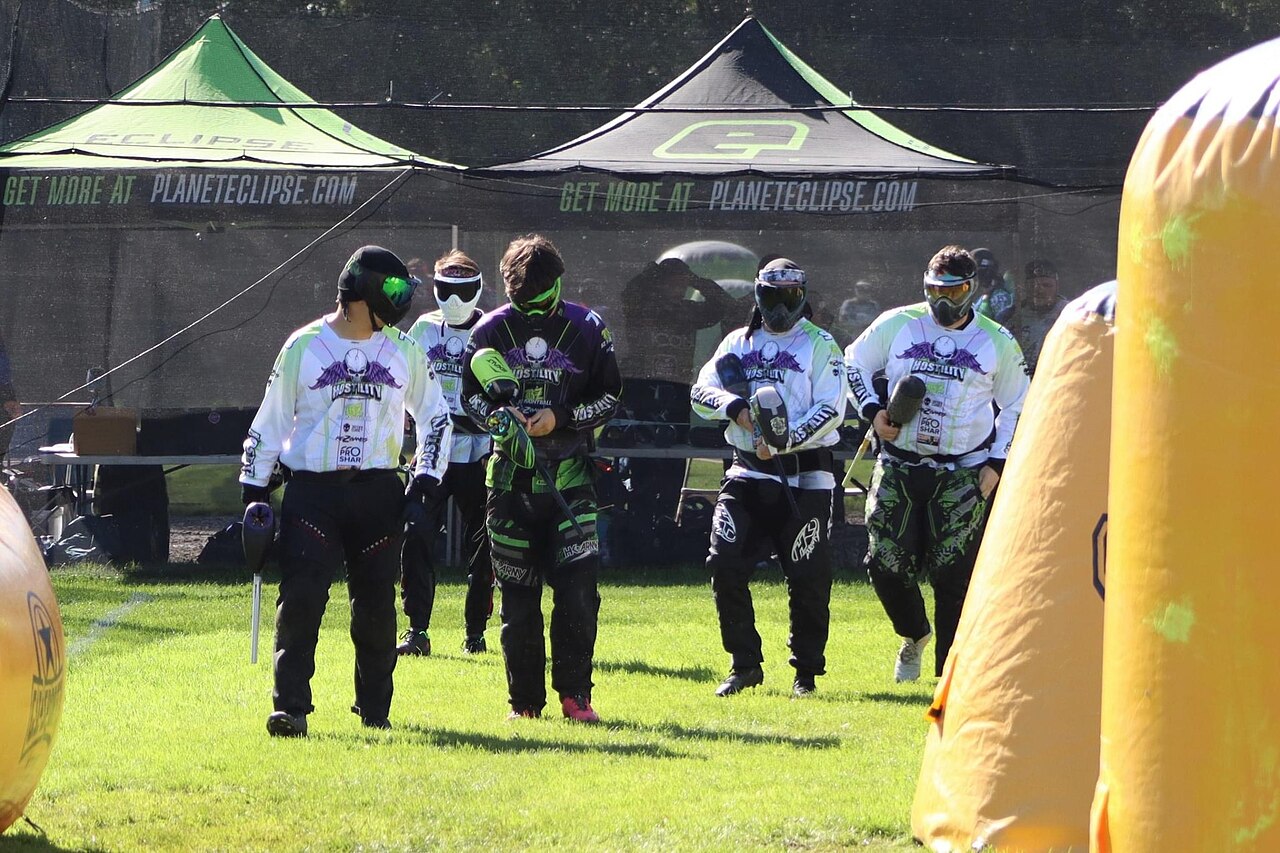
Paintball is a competitive and recreational activity in which participants attempt to eliminate opponents by marking them with dye-filled capsules called paintballs. Played both individually and in teams, paintball combines elements of strategy, physical skill and communication. It may be treated as an informal backyard pastime or as an organized sport with structured leagues and professional teams; see sport classifications and organized formats such as tournaments.
Image gallery
10 Images



Equipment and field characteristics
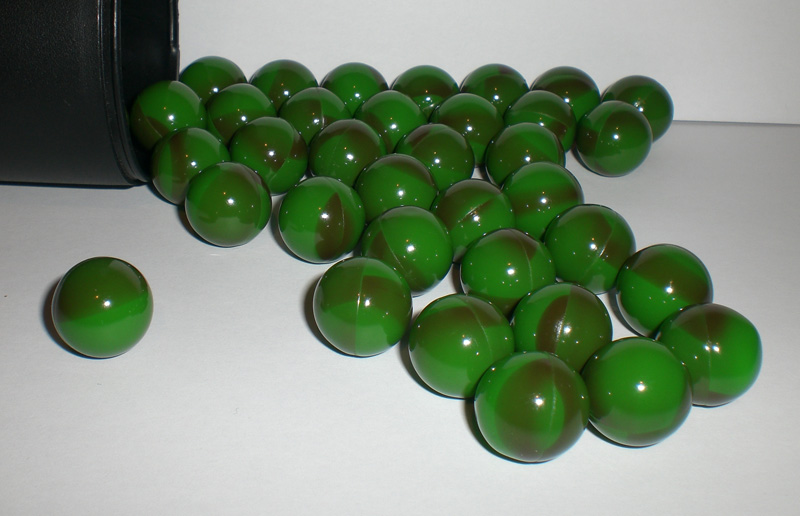
The primary projectile is a small gelatin capsule containing colored liquid, commonly referred to as a paintball. More detail about the projectile is available at paintballs. These are fired from a hand-held device known as a paintball marker or paintball gun; technical and safety information about the device can be found at markers. Players typically wear protective masks, layered clothing and optional padding. Masks and face protection are essential; see recommendations at protective gear guidance.
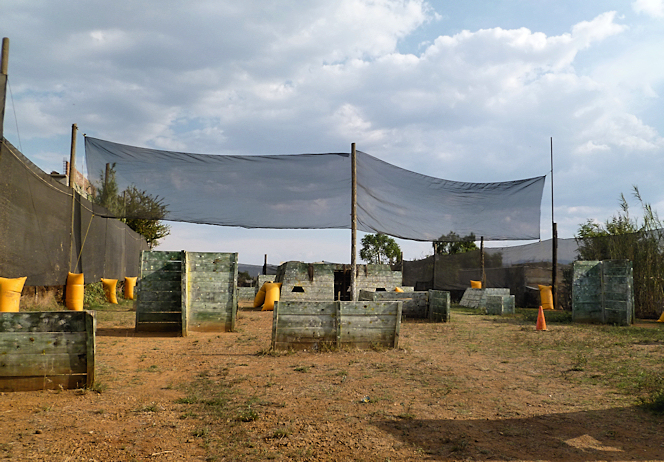
Fields range from indoor arenas to outdoor terrain that may include natural features and man-made bunkers. Descriptions of common field elements and obstacles are often catalogued under terrain and field design. Game objectives vary with the layout and agreed rules—some scenarios require moving to and holding points, others are fast elimination rounds.
Common game formats
- Capture the flag: teams attempt to seize an opponent’s flag and return it to their base while avoiding being hit; basic rules are discussed in capture-the-flag variants.
- Elimination (last-person or last-team standing): players are removed when marked by paint; rounds end when one side is left.
- Objective-based play: scenarios include defending or taking a specified point, escort missions and simulated missions used for training.
History and development
Paintball developed in the late 20th century as both a recreational activity and a competitive sport. Its growth created formalized rules, regional leagues and international competitions. Over time equipment evolved, rules standardized and dedicated fields and businesses emerged to support casual and professional play.
Safety, regulation and training uses
Most jurisdictions regulate paintball through local laws and age restrictions; information on statutory and policy approaches is summarized under legal frameworks. Operators enforce safety rules and mandate protective equipment such as full-face masks and eye protection; see mask safety. Because paintball can simulate combat dynamics without live ammunition, it has also been adopted by some military organizations and law enforcement units for low-risk tactical training and decision-making exercises; examples include documented uses by military and law enforcement training programs.
Significance and distinctions
Paintball sits between casual recreational activities and organized competitive sport. Distinguishing features include the removable-mark system of elimination, reliance on teamwork and strategy, and a strong safety culture. Variants emphasize speed, realism, or sport competition rules; professional circuits focus on tactics and specialized equipment, while recreational play emphasizes accessibility and entertainment. For rules, event listings and safety standards consult local operators and sport governing bodies linked via competitive organizations.
Questions and answers
Q: What is paintball?
A: Paintball is a sport in which players try to eliminate opponents by shooting each other with balls of coloured dye.
Q: How are players eliminated?
A: When the paintballs hit, they release the dye. When they hit a player, the dye marks that player as eliminated.
Q: Is paintball an organised competitive sport?
A: Yes, paintball is often played as an organised competitive sport, involving leagues, tournaments, and professional teams.
Q: Where can paintball be played?
A: Paintball can be played indoors or outdoors on fields specifically made for the game. The field is scattered with natural or artificial obstacles and terrain which players use to hide behind.
Q: What are some objectives of playing paintball?
A: Depending on the variant being played, objectives may include capturing a flag held by the opposing team, defending or capturing a particular point on the field, or simply eliminating all other players until only one team remains.
Q: How long do games usually last?
A: Games can last from seconds to hours depending on the variant being played.
Q: Are there any regulations for playing paintball?
A: In many countries, yes - players are usually required to wear protective gear (such as masks) and game rules are strictly enforced.
Related articles
Author
AlegsaOnline.com Paintball: rules, equipment, formats, history and safety Leandro Alegsa
URL: https://en.alegsaonline.com/art/74034
Sources
- dictionary.oed.com.libproxy.cc.stonybrook.edu : "Defined by the OXFORD ENGLISH DICTIONARY as a "war game""
- dictionary.reference.com : "Game as defined by dictionary.com"
- merriam-webster.com : "Merriam-Webster Online Dictionary"
- mediapost.com : "Sporting Goods Group Dissects Team Sports"