
Palm OS — operating system for PDAs and early mobile devices
Palm OS is a lightweight operating system designed for personal digital assistants and early smartphones, known for its simple GUI, Graffiti handwriting input, HotSync synchronization and wide third‑party ecosystem.
Overview
Palm OS is a compact operating system created for handheld computers such as personal digital assistants (PDAs) and early smartphones. First shipped in the mid‑1990s with consumer PDAs, it emphasized small size, low power use, and a focused set of built‑in personal information management (PIM) applications like address, calendar, memo and to‑do lists. The platform encouraged a large third‑party developer community and was widely licensed to device manufacturers. For manufacturer information and legacy references see official resources.
Image gallery
1 Image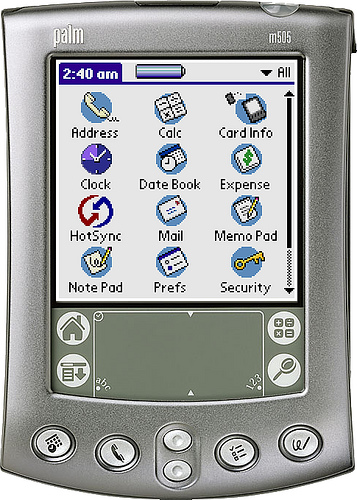
Key characteristics
Palm OS is known for a simple, stylus‑oriented graphical user interface and an input method called Graffiti, which converted simplified pen strokes into text. It used a lightweight application model suitable for devices with limited memory and CPU power. Multitasking was limited compared with desktop systems, while many system and third‑party applications ran from read‑only memory or tightly constrained storage to preserve battery life.
- Optimized for low power, small screens and stylus input
- Built‑in PIM suite and easy data synchronization
- Compact APIs for efficient third‑party apps
- Transitioned over time to support newer processors and richer media
History and development
The operating system evolved as handheld hardware improved. Early versions appeared on consumer PDAs and were followed by generations that expanded multimedia, networking and processor support. Palm OS was developed and licensed by multiple companies and several efforts sought to modernize it for contemporary hardware; some initiatives saw limited commercial uptake. Developers and the community produced development kits and emulators to build and preserve software for the platform. Additional technical and archival material can be found via developer portals such as developer references.
Uses and legacy
Palm OS powered devices used for personal organization, business data capture, field service, and point‑of‑sale terminals. Its HotSync model for synchronizing data with desktop computers became a standard expectation for mobile productivity. Although mainstream use declined with the rise of modern smartphone operating systems, Palm OS influenced mobile interaction patterns, application distribution and expectations about always‑available personal data.
Notable distinctions
Palm OS is remembered for prioritizing simplicity and responsiveness on constrained devices and for popularizing stylus handwriting input. Compared with contemporary mobile platforms it offered a narrower multitasking model but a highly predictable and efficient runtime for many years. Enthusiast communities continue to archive applications and document the system, preserving its role in the history of mobile computing.
Related articles
Author
AlegsaOnline.com Palm OS — operating system for PDAs and early mobile devices Leandro Alegsa
URL: https://en.alegsaonline.com/art/74221