
Aurel Stein — Silk Road archaeologist and explorer (1862–1943)
Hungarian‑born British archaeologist and explorer who led early 20th‑century expeditions across South and Central Asia, recovering manuscripts, mapping the Silk Road and shaping debates about cultural heritage.
Overview
Sir Aurel (Marc) Stein (1862–1943) was a Hungarian‑born scholar who became a leading figure in the archaeology and exploration of the Silk Road and adjoining regions. Trained in European languages and classical studies, Stein combined linguistic ability, field surveying and careful travel writing to document ancient sites across Asia. For a concise biography and timeline of his life, see related resources.
Image gallery
6 Images


Areas, methods and characteristics
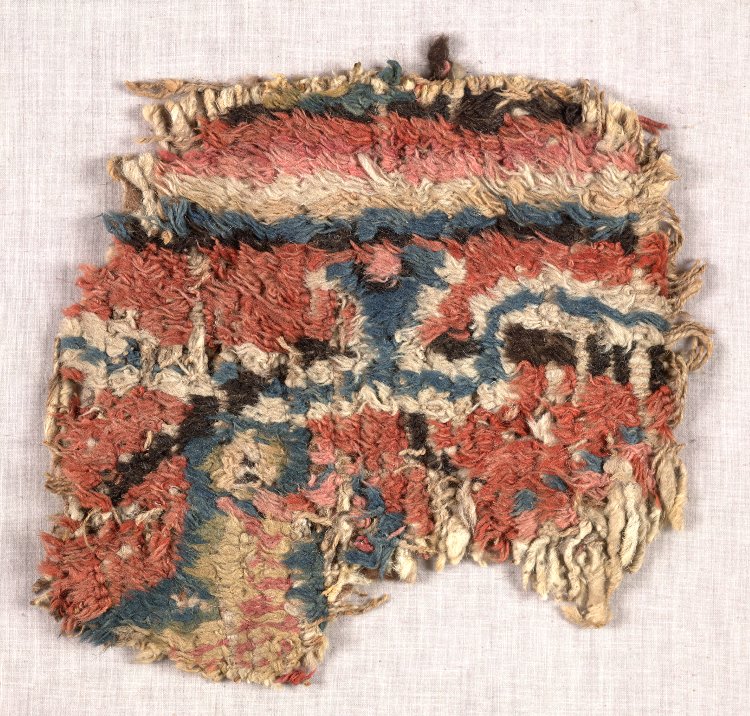
Stein's work focused on routes and settlements connecting South Asia and Central Asia. He was known for meticulous mapping, photographic recording, and detailed publication of finds. His teams excavated ruined towns, caravanserais and cave complexes, collecting manuscripts, textiles, coins and inscriptions that illuminated trade, religion and daily life along historic routes.
Major expeditions and discoveries
In the early decades of the 20th century Stein led several overland expeditions. He is widely associated with the recovery and study of manuscripts and artefacts from cave sites on the Silk Road, which provided new evidence on Buddhism, commerce and multilingual communities. Stein published multi‑volume reports that made these materials available to scholars across fields such as philology, art history and archaeology.
Legacy and controversies
Stein's legacy is twofold: he significantly advanced knowledge of the Silk Road and established rigorous field publication standards, but his removal of many objects to institutions abroad has prompted long‑running debates about cultural patrimony and the ethics of excavation. His documentation and maps remain reference points for subsequent research.
Death and memorial
Stein spent his final years traveling and working in the region where he had spent much of his career. He died while abroad and was buried in Kabul; further information on his final years and burial can be found via related records and commemorative notes such as memorial sites.
Further reading and resources
- Collected expedition reports and photographic archives, often cited in studies of Silk Road archaeology.
- Critical discussions of museum holdings and repatriation debates where Stein's role is examined.
- Annotated bibliographies and institutional catalogues that provide entry points for primary materials.
Related articles
Author
AlegsaOnline.com Aurel Stein — Silk Road archaeologist and explorer (1862–1943) Leandro Alegsa
URL: https://en.alegsaonline.com/art/7388