
Barbegal aqueduct and mill complex
A major Roman water-powered milling installation near Arles, France, noted for its cascading overshot wheels and significance as an example of large-scale ancient industrial technology.
Overview
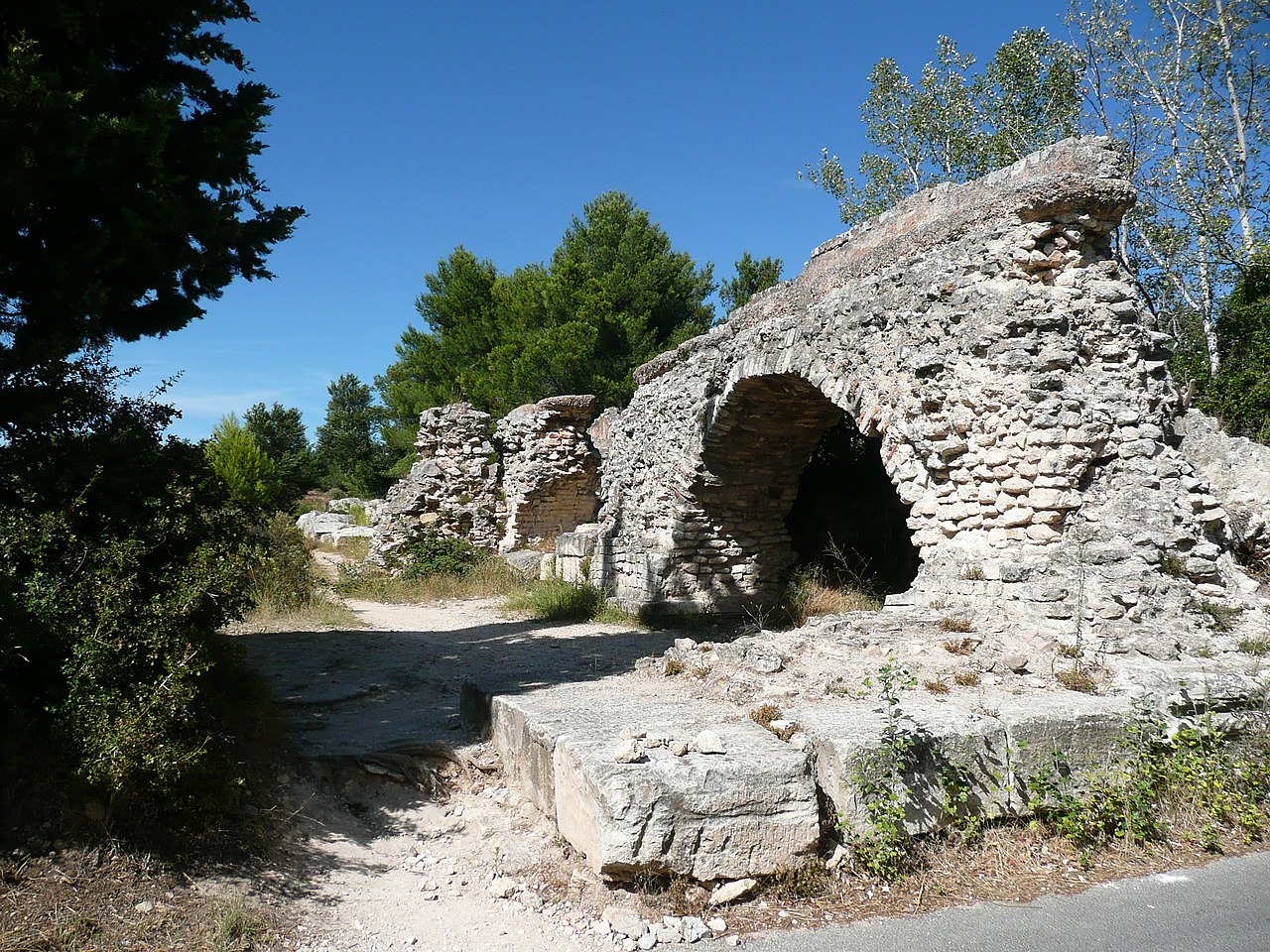
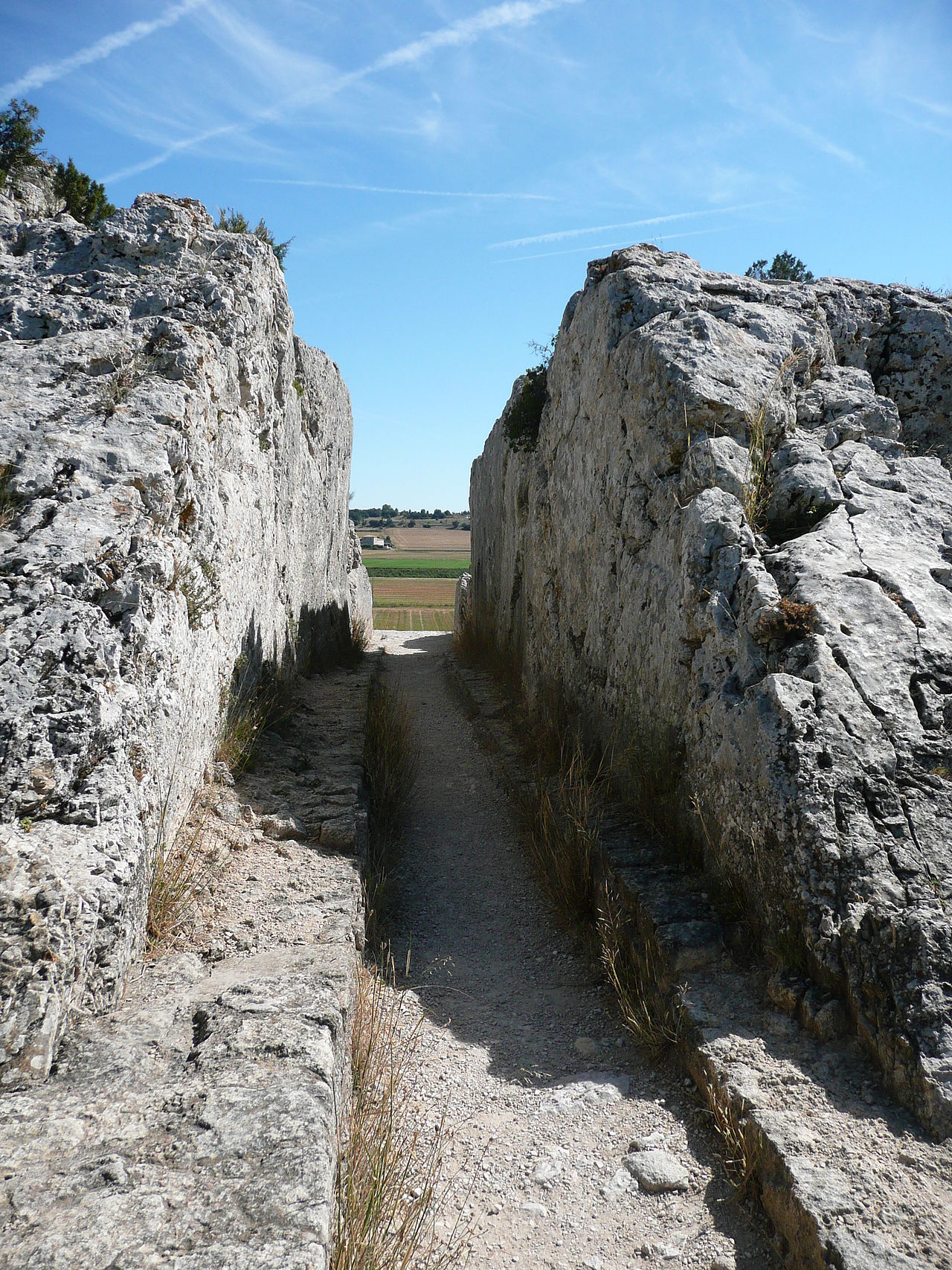
The Barbegal aqueduct and mill is a ruined Roman hydraulic complex on the slopes near Arles in southern France. Built to exploit a steady supply of water, it combined an aqueduct with a stepped series of waterwheels and associated milling rooms. The site is widely cited as one of the most impressive concentrations of mechanical power from antiquity and illustrates Roman advances in applied hydraulics and industrial-scale food production. For general context about the technology see watermill articles; the site lies in the district of Arles and the wider region of southern France.
Image gallery
7 Images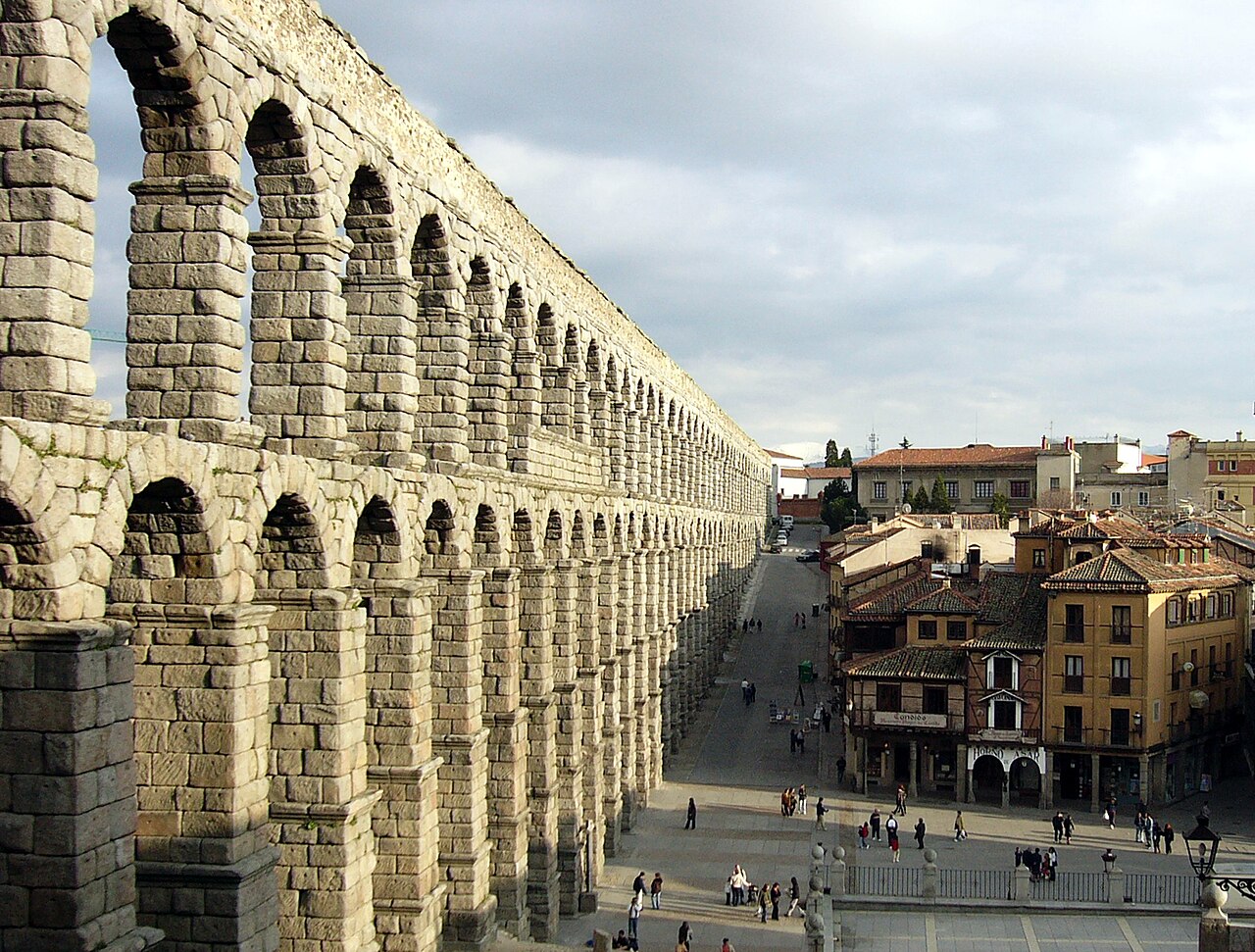


Design and main components
The mill complex sits along a steep quarry-like slope where water could be let fall in sequence. The principal elements included an intake and channel feeding a upper distribution basin, two parallel rows of waterwheels set in cascade down the slope, foundations and rooms for millstones, and outflow channels that returned water to the valley. Archaeologists have identified:
- Two parallel flues of eight wheel-sites each (a total of sixteen wheel positions)
- Overshot wheel arrangements that used gravity and falling water for greater efficiency
- Stone basins, sluices and masonry supports for vertical shafts and gearing
History and archaeology
The complex is generally dated to the Roman Imperial period, commonly placed in the 1st–3rd centuries AD. It was fed by a diversion from a local aqueduct system and appears to have served a nearby urban market or imperial provisioning. The ruins were examined from the 19th century onward and investigated more thoroughly by 20th-century archaeologists, who documented the mills' layout and the hydraulic engineering that made serial waterwheels practicable.
Operation and function
Each wheel would have driven one or more pairs of millstones. By arranging wheels in cascade the designers multiplied available head and power, allowing continuous operation and efficient grain processing. Although specific output rates are debated, scholars agree the installation represents industrial-scale milling rather than a small farm setup, showing how Romans mechanized routine production tasks.
Significance and legacy
Barbegal is often cited in discussions of Roman technology and economic organization as evidence that large-scale mechanical power was achievable in antiquity. It remains an important archaeological and tourist site, informing studies of ancient engineering, water management and early manufacturing. For further reading on related technology and regional monuments see watermill, local studies of Arles, and surveys of southern France.
Tags
Related articles
Author
AlegsaOnline.com Barbegal aqueduct and mill complex Leandro Alegsa
URL: https://en.alegsaonline.com/art/8899