
Kabul — capital and largest city of Afghanistan
Kabul is Afghanistan's capital, an ancient city in a high mountain valley. It is a political, cultural and economic center with diverse communities and a complex history spanning millennia.
Overview
Kabul is the capital city of Afghanistan and its largest urban center, serving as the country's main seat of government, commerce and higher education. The city sits in a narrow valley along the Kabul River and is surrounded by mountains, giving it a high-altitude continental climate. Estimates in the early 21st century placed the population in the low millions, reflecting rapid urban growth and internal migration.
Image gallery
10 Images



Geography and climate
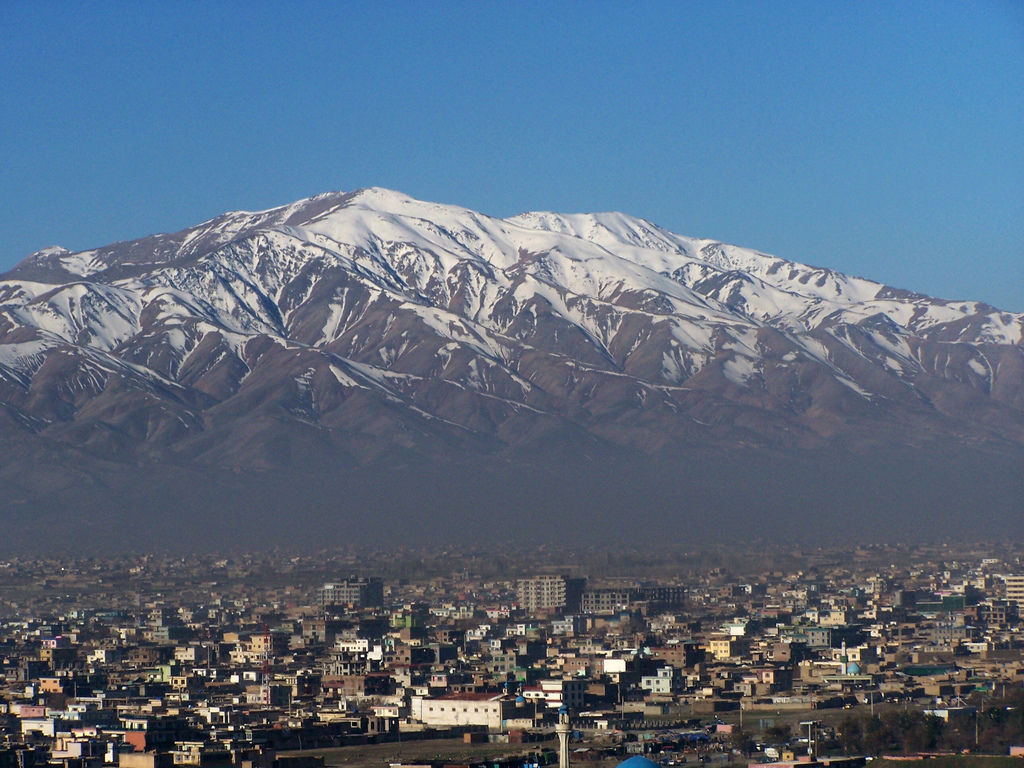
Located at roughly 1,800 meters (about 5,900 feet) above sea level, Kabul occupies a strategic corridor between the eastern highlands and the central plateau. Winters can be cold with occasional snow, while summers are warm and dry. The city's topography and elevation have shaped settlement patterns, transport routes and local architecture.
History and development
Kabul is one of the oldest continuously inhabited urban centers in the region, with archaeological and historical evidence indicating habitation for several millennia. Over time it has been influenced by successive empires and trade networks, evolving into a regional administrative and cultural hub. Its modern expansion accelerated in the 20th century and continued into the 21st, with both reconstruction and new development altering the urban landscape.
Population and communities
The city's inhabitants include diverse ethnic groups. Major communities traditionally present in Kabul include Tajiks, Pashtuns and Hazaras, along with other groups and migrant populations from across the country and neighboring areas. Demographic change has been driven by rural-to-urban migration, displacement and economic opportunity.
Role and importance
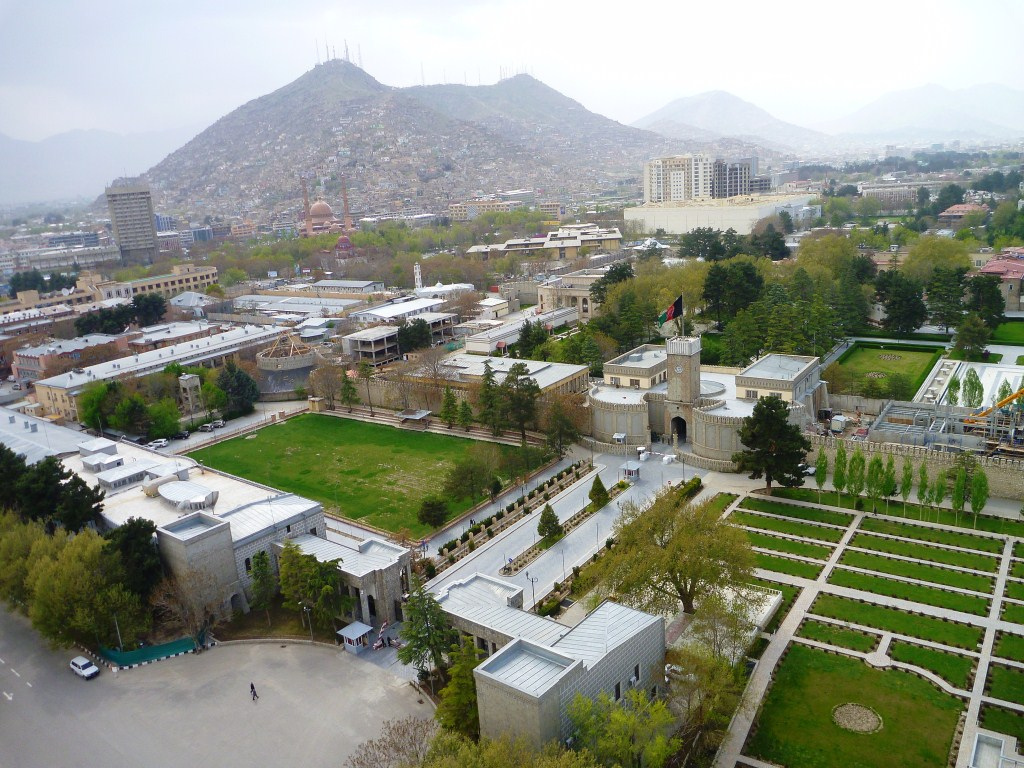
As the national capital, Kabul hosts government institutions, foreign missions, universities and cultural sites. It is a center for markets, media and services that serve much of Afghanistan. Urban neighborhoods vary widely in character, from historic districts and bazaars to newer residential and commercial developments.
Transportation and landmarks
- Kabul’s road network links it to other provinces and international borders; airports and limited rail and air links connect it to regional destinations.
- Notable sites include historic mosques, museums, monuments and public gardens that reflect the city’s layered past.
Contemporary challenges
Like many fast-growing capitals, Kabul faces challenges including infrastructure needs, housing pressure, and public services. Security, reconstruction and economic stability have influenced urban life and planning. The city remains central to Afghanistan’s political and cultural identity, and discussions about its future involve national and local actors as well as international partners.
For further context about the nation and administrative functions see Afghanistan and the designation of capital. Additional information about ethnic and social groups can be found via links to communities such as other ethnic groups.
Related articles
Author
AlegsaOnline.com Kabul — capital and largest city of Afghanistan Leandro Alegsa
URL: https://en.alegsaonline.com/art/51851
Sources
- commons.wikimedia.org : Kabul
- cso.gov.af : cso.gov.af
- ngm.nationalgeographic.com : "2003 National Geographic Population Map"
- citymayors.com : "Largest cities in the world and their mayors - 1 to 150"
- citymayors.com : "World's fastest growing urban areas (1)"