
Oskar Schindler
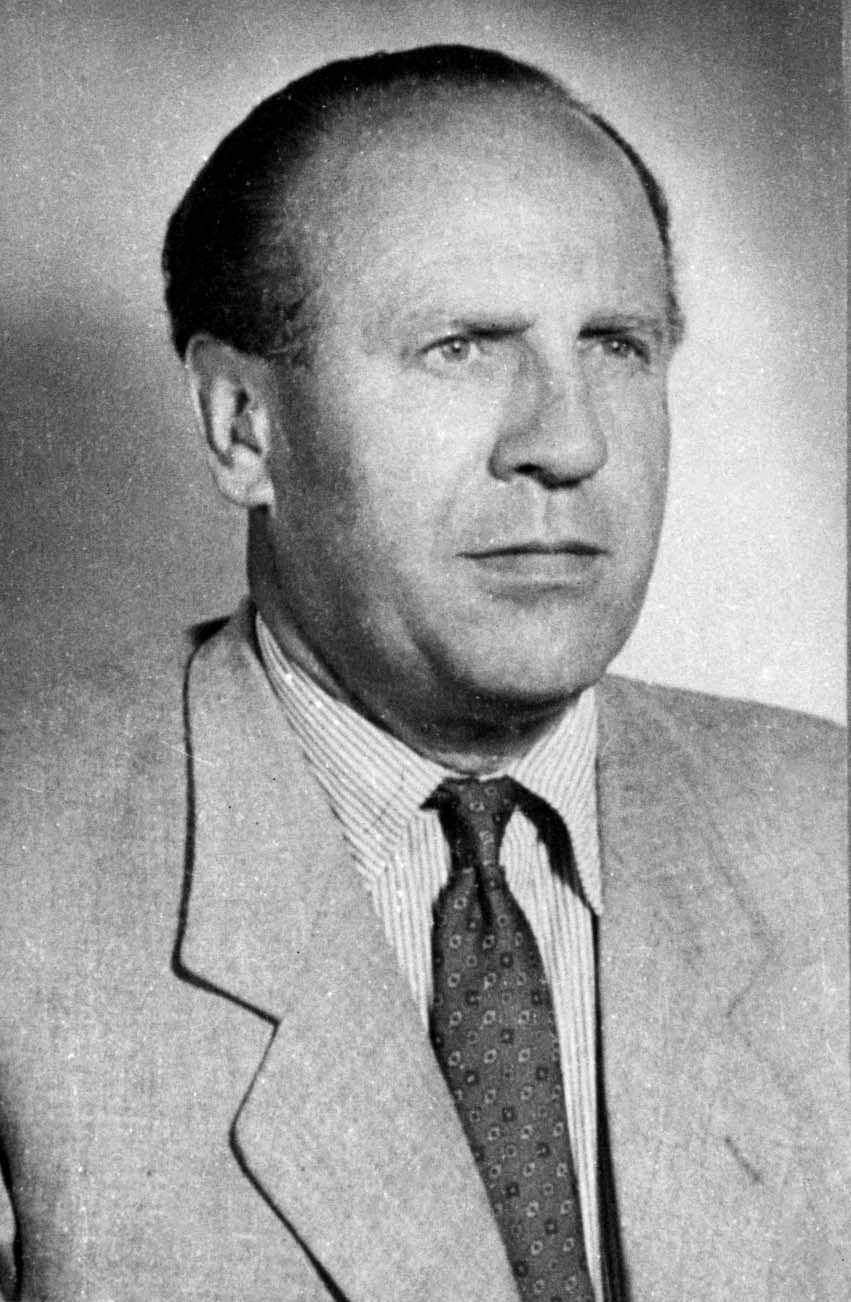
Sudeten German industrialist who saved around 1,200 Jews during the Holocaust by employing them in his factories; later depicted in book and film and honored postwar.
Overview
Oskar Schindler was a Sudeten German industrialist and businessman known primarily for rescuing Jews during the Holocaust by keeping them employed in his factories. He was born in Zwittau, in the region of Moravia, then part of Austria-Hungary, and raised in a Roman Catholic household. Early in his adult life he worked in business and trade across Central Europe and later became involved in wartime industry.
Image gallery
10 Images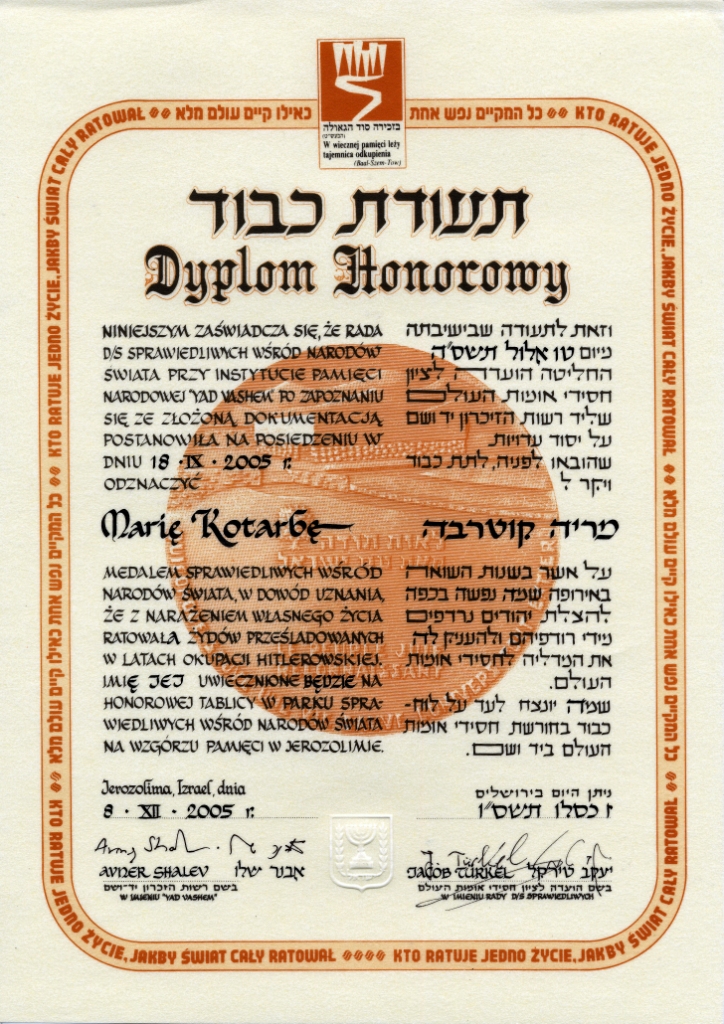


Life and career
Schindler’s career combined entrepreneurship with opportunism. He joined the German Nazi Party in 1939 and operated factories that produced enamelware and military supplies. His industrial activities took place in territory that is today in Poland and the Czech Republic. Over time he developed working relationships with German officials, SS officers and Jewish labor supervisors, using those contacts to protect his workers from deportation and death.
Rescue of Jewish workers
During World War II Schindler employed Jewish men and women in his enamel and ammunition plants as a way to shield them from being sent to extermination camps. By declaring them essential to the war effort and moving factory operations when necessary, he is credited with saving approximately 1,200 Jews from almost certain death. His actions combined bribery, paperwork, and personal risk; he spent considerable sums and risked arrest to keep his workers together and housed.
Aftermath, recognition and cultural legacy
After the war Schindler lived in poverty for many years, receiving limited financial help from some of those he had saved. He died of liver failure in Hildesheim in what was then West Germany. He was later recognized by Israeli authorities and remembered at Yad Vashem as one of the Righteous Among the Nations. Schindler’s story reached a global audience through Thomas Keneally’s novel and Steven Spielberg’s film adaptation, Schindler's List, which renewed public interest in his life and the people he saved.
Notable facts and distinctions
- Origins: Born in Zwittau in Moravia, part of Austria-Hungary when he was born, he is often described as a Sudeten German.
- Industry: He ran enamelware and ammunition factories located in areas that are now Poland and the Czech Republic.
- Controversy: His membership in the Nazi Party and wartime business dealings complicate how historians and survivors view him; scholars emphasize both his earlier opportunism and his later humanitarian efforts.
- Final years and burial: Schindler died of liver failure in Hildesheim in West Germany, and was buried in the Catholic Cemetery on Mount Zion in Jerusalem.
Schindler’s legacy remains a subject of study and debate: he is at once a complex figure shaped by the violent politics of his time and a person whose decisive actions are credited with saving many lives. His story continues to be taught as an example of rescue, moral ambiguity, and the impact of individual choices under extreme circumstances.
Related articles
Author
AlegsaOnline.com Oskar Schindler Leandro Alegsa
URL: https://en.alegsaonline.com/art/73383
Sources
- yadvashem.org : Oskar Schindler
- encyclopedia.com : Encyclopedia of World Biography