
Oswald Chambers — Evangelist and Author of My Utmost for His Highest
Scottish Protestant teacher and devotional writer (1874–1917), best known for My Utmost for His Highest and for influencing 20th‑century evangelical devotional practice.
Overview
Oswald Chambers (1874–1917) was a Scottish Protestant teacher and spiritual leader whose short life produced a lasting influence on evangelical devotional practice. He ministered as a preacher, instructor and chaplain, and after his death became widely known for a daily devotional book compiled from his talks and notes. My Utmost for His Highest remains widely read and has been translated into many languages; it is often used in private devotion, small groups and pastoral teaching.
Image gallery
1 Image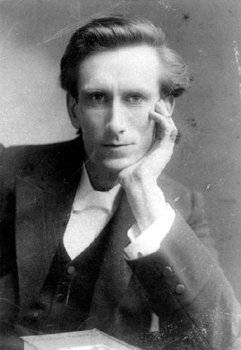
Life and ministry
Chambers spent his adult life as a teacher of Christian discipleship, emphasizing holiness, obedience and wholehearted devotion. He served in a variety of roles that brought him into contact with students, workers and soldiers. During World War I he served with the YMCA in Egypt where he ministered to troops and camp communities. He died suddenly in 1917 while still active in that service. Contemporary accounts describe him as a determined, sometimes stern teacher who pressed for a lived faith rather than mere profession.
Writings and style
Chambers left behind lectures, sermons and personal notes rather than carefully prepared books. After his death his wife compiled and edited many of these materials into the devotional volume now known as My Utmost for His Highest. The work presents short daily readings keyed to Scripture, offering a combination of theological assertion, practical counsel and spiritual challenge. His style is often aphoristic and direct, stressing the inner life, the need for surrender and the daily application of Christian truth.
Themes and reception
Recurring themes in Chambers's teaching include the sovereignty of God, the call to holiness, the centrality of prayer and the necessity of self‑denial. Readers value his clarity and moral urgency, though some note that his tone can be austere compared with other devotional writers. Over the decades his writings have been used by pastors, teachers and laypeople across a range of Protestant traditions.
Legacy and influence
Although Chambers published little in his lifetime, his posthumous reputation grew steadily. My Utmost for His Highest has remained in continuous print and is frequently cited in Christian literature and devotional practice. His approach contributed to 20th‑century evangelical devotional life by reinforcing a disciplined, Scripture‑centred pattern of daily reading and reflection.
Further reading
Related articles
Author
AlegsaOnline.com Oswald Chambers — Evangelist and Author of My Utmost for His Highest Leandro Alegsa
URL: https://en.alegsaonline.com/art/73466