
Schindler's List (1993 film)
1993 Steven Spielberg film dramatizing Oskar Schindler's rescue of more than a thousand Jews during the Holocaust, adapted from Thomas Keneally's novel and noted for its black-and-white cinematography and moral themes.
Overview
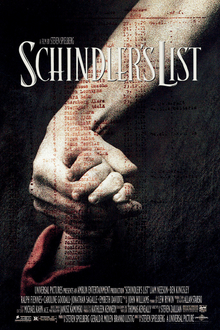
Schindler's List is a 1993 historical drama film that portrays events during World War II. The picture, often described simply as a movie about rescue and conscience, was directed by Steven Spielberg and adapted from the novel Schindler's Ark by Thomas Keneally. It tells the story of Oskar Schindler and the list he compiled to protect a group of Jews employed in his factory from persecution by the Nazis. The work blends dramatized personal narratives with historical events and has become a widely referenced film about the Holocaust.
Image gallery
9 Images




Production and visual style
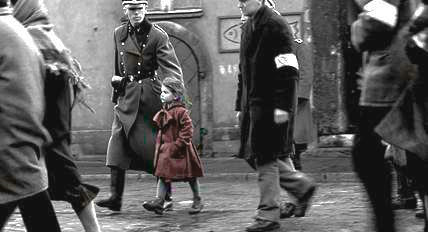
The film is noted for its largely black-and-white cinematography and restrained palette, chosen to evoke documentary immediacy and period atmosphere. Production design and costumes aimed to reflect occupied Central Europe in the 1930s and 1940s. Selective use of color appears briefly as a visual and emotional device. Performances, camera work and editing were intended to balance dramatic storytelling with a respectful tone toward real victims and survivors.
Historical basis and interpretation
The narrative centers on the efforts of Schindler and his associates to employ Jewish workers and thereby reduce their risk of deportation and murder. The list of names is presented as both a practical record and a moral emblem of rescue. The film is rooted in published research and testimony but interprets motives and events for dramatic clarity; historians and critics have discussed which elements are faithfully documented and which are condensed or dramatized for the screen.
Cast and principal characters
- Liam Neeson as Oskar Schindler
- Ben Kingsley as Itzhak Stern, Schindler's accountant and aide
- Ralph Fiennes as Amon Göth, a camp commandant
Reception, use and legacy
On release the film received wide critical acclaim for its direction, acting and treatment of a difficult subject, and it reached broad audiences worldwide. It has been used extensively in educational settings to introduce topics about the Holocaust, ethical choice and bystander behavior. The film has also prompted debate about representation, the responsibilities of dramatizing atrocity, and how rescue and complicity are portrayed. Museums, archives and survivor projects provide complementary primary sources and analysis for those seeking more detailed historical context; consult curated resources and scholarly work for in-depth study.
Further discussion
Because the film interprets real events, viewers and readers are encouraged to consider multiple perspectives: first‑person testimony, archival documentation and modern historical scholarship. Public conversations generated by the film continue to influence how audiences understand moral action in extreme circumstances and how cinema can engage with history.
For additional background on the book, film production and historical materials, see entries and resources linked to the novel and archival collections: the novel Schindler's Ark, accounts of rescue efforts and dedicated Holocaust research centers and databases referenced in scholarly guides about the author and primary collections related to wartime history. Other useful starting points include film studies treatments on direction, interviews and critical essays about Spielberg's work, contemporary reviews and historical overviews of the cinematic reception and studies of wartime policies and persecution during World War II. Additional references cover the list itself as a document, the people it sought to protect who survived, the factory context where they worked and the institutional backdrop for the film's creation.
Author
AlegsaOnline.com Schindler's List (1993 film) Leandro Alegsa
URL: https://en.alegsaonline.com/art/130566