
Oswald of Northumbria: king, Christian ruler, and saint
Oswald (c.605–642) was a 7th-century king who reunited Northumbria, promoted Christianity by inviting Aidan to Lindisfarne, and became a widely venerated saint after his death.
Oswald is remembered as a pivotal early medieval ruler who shaped the religious and political landscape of northern England. Born around 605, he became king of Northumbria by reuniting its constituent kingdoms and is often described as the first widely recognised Christian monarch of that kingdom. His reign marked a turning point in the conversion of the northern Anglo-Saxon peoples.
Image gallery
6 Images
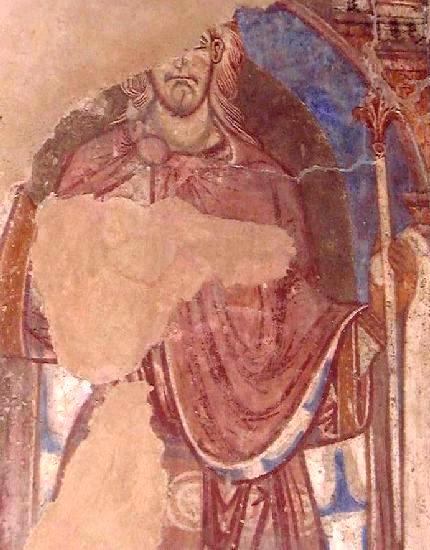


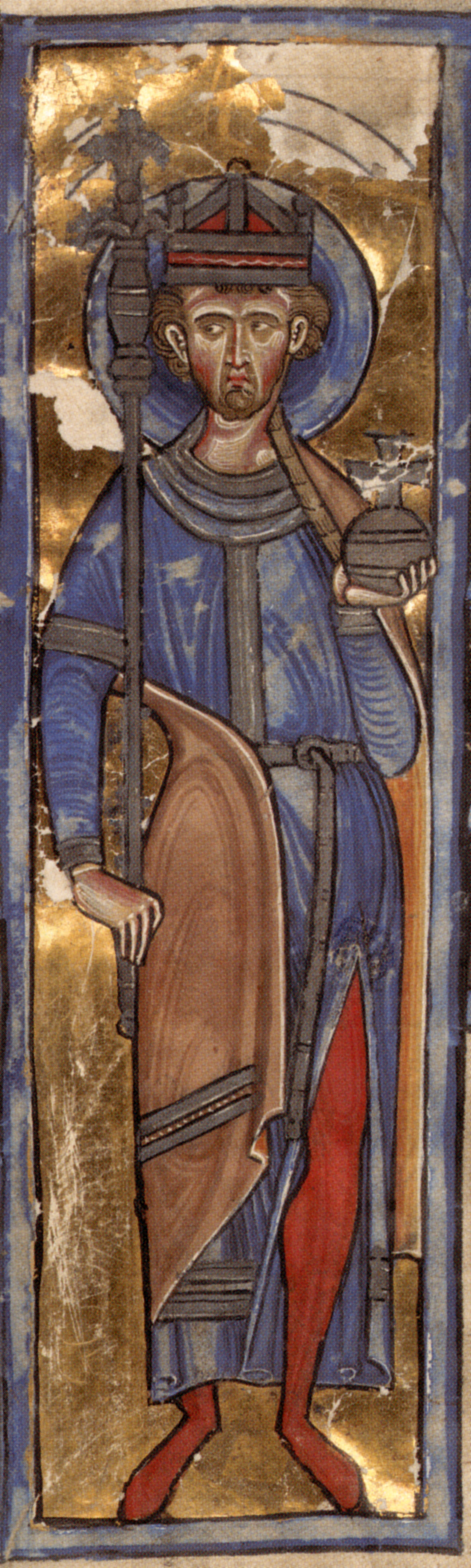
Life and reign
Following a period of exile in which he spent time among Christian communities, Oswald returned to defeat rival forces and consolidate power. Contemporary and near-contemporary sources record that he won a significant victory that allowed him to establish authority across Northumbria. His reign was relatively brief; he ruled in the 630s until his death in battle in 642. Military conflicts with neighbouring rulers were a constant feature of his kingship.
Christianisation and monastic foundations
One of Oswald's most lasting achievements was the promotion of Christianity in his realm. He invited missionaries from the island of Iona and supported the foundation of a monastery on Lindisfarne, which became a major centre for learning and evangelism. He is credited with bringing St. Aidan to the area to lead missionary work, building churches, and encouraging baptism and Christian practice among his subjects.
Key events and characteristics
- Reorganisation of power in northern England and brief unification of rival territories.
- Active support for missionary work and ecclesiastical institutions.
- Engagement in warfare with neighbouring kings, culminating in his death on the battlefield.
After his death Oswald was venerated as a saint and became an important figure in popular devotion and regional identity. Stories about his piety, miracles, and the dramatic circumstances of his victories circulated in later hagiography. His reign is often seen as a foundation for the later Christian kingdoms of northern England.
For readers wishing to explore primary and secondary sources on his life and impact, consult general histories of early medieval Britain and works on the Church in Anglo-Saxon England. Useful starting points include studies of early Northumbrian kingship and the monastic centres connected to Iona and Lindisfarne; see also discussions of the period's Christianisation in broader surveys of the era. Further reading and specific archival references may be found through scholarly catalogues and specialist histories.
Additional online resources and reference compilations can provide maps, chronologies and collected texts related to Oswald's rule and cult. For curated entries and bibliographies, follow established medieval history guides and library resources about kingship and Christian expansion; these often link to transcriptions, translations and critical studies on his life and the foundation of monastic centres like Lindisfarne and those associated with Iona.
Notable distinctions include his dual legacy as both a political unifier and a religious patron. He remains a touchstone for discussions of how early medieval rulers used faith to legitimize power and to foster cultural change across regions that became integral to the English church and later English kingdoms.
Questions and answers
Q: Who was Oswald of Northumbria?
A: Oswald was a King of Northumbria and the first Christian monarch of that kingdom.
Q: What did Oswald do in relation to Christianity?
A: Oswald brought St. Aidan from Iona to start a monastery on the island of Lindisfarne.
Q: When was Oswald born?
A: The exact year of his birth is not known, but he was born around 605.
Q: Who did Oswald bring to start a monastery on the island of Lindisfarne?
A: Oswald brought St. Aidan from Iona to start a monastery on the island of Lindisfarne.
Q: What is Oswald known for besides being a king?
A: Oswald was also venerated as a saint.
Q: What kingdom did Oswald rule over?
A: Oswald ruled over the kingdom of Northumbria.
Q: When did Oswald die?
A: Oswald died in the year 642.
Related articles
Author
AlegsaOnline.com Oswald of Northumbria: king, Christian ruler, and saint Leandro Alegsa
URL: https://en.alegsaonline.com/art/73467