
Oncilla (Leopardus tigrinus): small spotted Neotropical wild cat
The oncilla is a small, elusive spotted cat of Central and South America. This article covers its appearance, behavior, range, taxonomy issues, threats from habitat loss, and conservation status.
Overview
The oncilla (Leopardus tigrinus) is a diminutive spotted felid native to parts of Central and South America. Also called the northern tiger cat, little spotted cat or tigrillo, it is notable for its small size, patterned coat and secretive habits. The species has been the subject of taxonomic debate because populations across its wide range show geographic variation and have sometimes been treated as subspecies or separate species source.
Image gallery
4 Images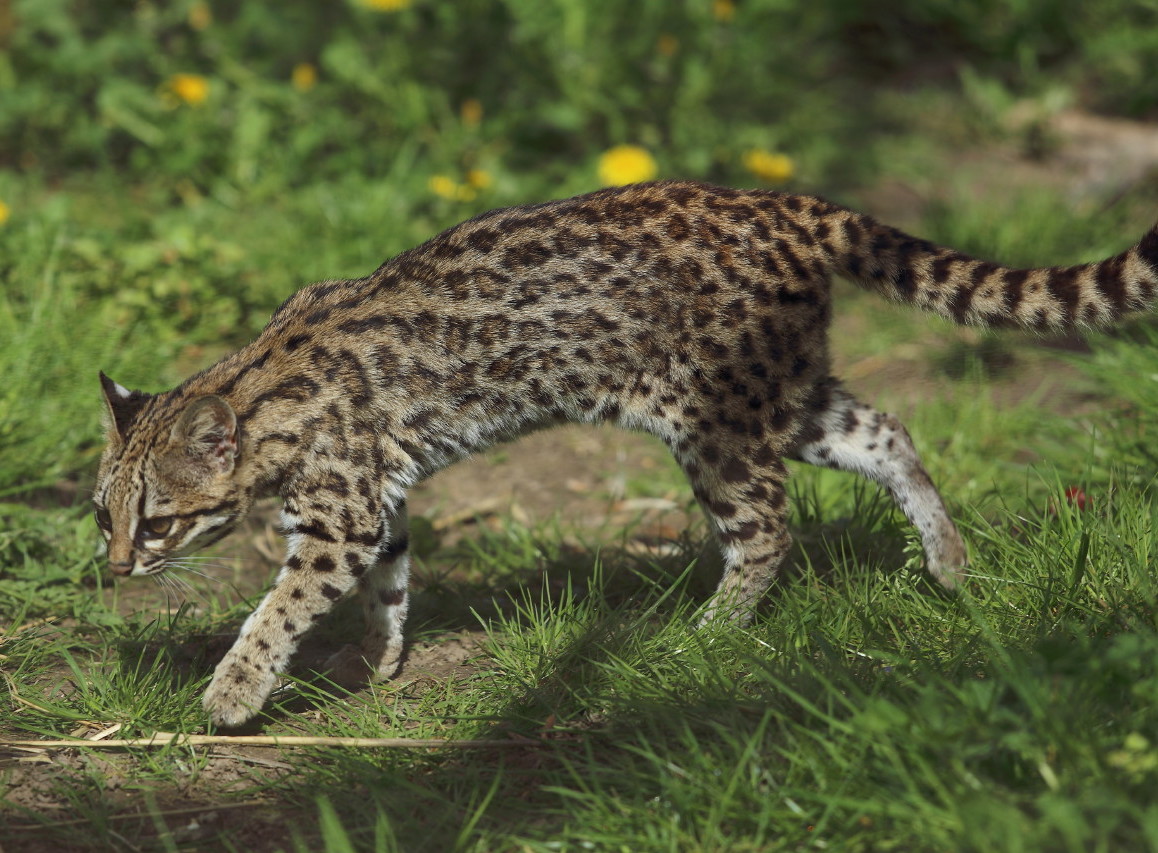


Appearance and behaviour
The oncilla has a slender build, a long tail and a coat marked with small rosettes, spots and stripes that provide camouflage in dense vegetation. It is largely nocturnal and solitary, using dense understory and low branches to hunt. Its diet consists mainly of small mammals, birds, reptiles and large insects. Reproductive and social patterns are similar to other small Neotropical cats: females raise cubs alone and litters are small.
Distribution and habitat
Its historical range extends from Central America into northern and central South America, including fragmented populations in Andean foothills and the Atlantic forest region. Occupied habitats include montane and lowland rainforests, cloud forest edges and secondary growth where prey is available. Exact distribution is patchy and has contracted in some areas because of land‑use change reference reference.
Characteristics and distinctions
- Small body size relative to many other wild cats, with proportionally long tail and legs.
- Distinctive spotted and rosetted coat that varies geographically and by individual.
- Often confused with other small spotted felids (e.g., margay, ocelot juveniles), requiring careful morphological or genetic study to distinguish populations taxonomic note.
Conservation status and threats
The oncilla is listed as Vulnerable on the IUCN Red List due to ongoing declines in population and distribution. Principal threats include deforestation, conversion of forest to agriculture and pasture, habitat fragmentation and pressures from human activity. Additional risks include predation and competition from feral dogs and occasional persecution by people IUCN assessment.
Importance, research and conservation actions
As a small predator, the oncilla plays a role in controlling populations of small vertebrates and insects. Conservation measures emphasize habitat protection, connectivity between forest patches, research into taxonomy and population status, and mitigation of human‑wildlife conflict. Continued monitoring and protected areas are important for preventing further decline and ensuring viable populations across its range conservation source.
Questions and answers
Q: What is an Oncilla?
A: The Oncilla is a small spotted cat also known as Leopardus tigrinus, the northern tiger cat, little spotted cat, and tigrillo.
Q: What is the range of Oncilla?
A: The range of Oncilla is from Central America to central Brazil.
Q: What are the differences in the range of Oncilla?
A: There are differences in the range of Oncilla which some think should be subspecies.
Q: Why is Oncilla listed as Vulnerable?
A: Oncilla is listed as Vulnerable on the IUCN Red List because the population is threatened by deforestation and conversion of habitat to agricultural land.
Q: What is the cause of the threat to the Oncilla population?
A: Deforestation and conversion of habitat to agricultural land are the cause of the threat to the Oncilla population.
Q: What is the IUCN Red List?
A: The IUCN Red List is a comprehensive inventory of the global conservation status of plant and animal species.
Q: What does it mean when a species is listed as Vulnerable on the IUCN Red List?
A: When a species is listed as Vulnerable on the IUCN Red List, it means that the population is facing a high risk of endangerment due to habitat loss, hunting or climate change.
Related articles
Author
AlegsaOnline.com Oncilla (Leopardus tigrinus): small spotted Neotropical wild cat Leandro Alegsa
URL: https://en.alegsaonline.com/art/72554
Sources
- iucnredlist.org : "Leopardus tigrinus"
- doi.org : 10.2305/IUCN.UK.2016-2.RLTS.T54012637A50653881.en
- bucknell.edu : "Order Carnivora"
- google.com : Mammal Species of the World
- worldcat.org : 62265494