
Harvestmen (Opiliones): Biology, Diversity, Fossils, and Ecology
Overview of harvestmen (Opiliones): anatomy and how they differ from spiders, global diversity and fossil history, feeding and ecological roles, and interactions with people.
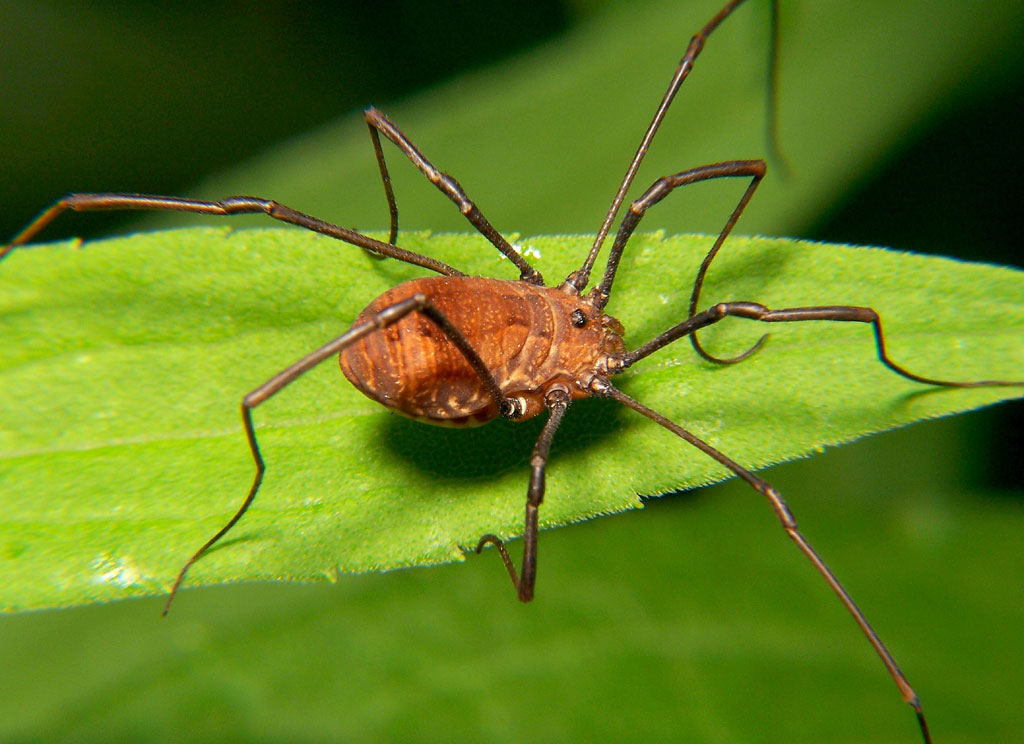
Harvestmen are arachnids placed in the order Opiliones (sometimes called phalangids). They belong to the class Arachnida, but they are not true spiders and differ from spiders in several important ways.
Image gallery
10 Images




Names and common confusion
The informal name "daddy longlegs" is often applied to harvestmen, but that same nickname is used for two unrelated groups of long-legged arthropods: the crane flies (family Tipulidae) and the so-called cellar spiders (family Pholcidae). This overlap in common names causes frequent misunderstandings.
Diversity and fossil history
Scientists have formally described more than 6,400 living species of harvestmen worldwide; estimates of the total number of extant species vary and may exceed 10,000. Well-preserved fossils of opilionids are known from the Devonian period, including specimens found in the Rhynie cherts of Scotland, which are about 400 million years old. These fossil examples show body plans that are recognizably similar to modern harvestmen.
Diet and ecological role
Many harvestmen are opportunistic feeders and are considered omnivores. Their diet typically includes small insects, bits of plant material and fungi (plants and fungi), and carrion; some species specialize as scavengers or predators of tiny invertebrates. Their feeding habits help recycle organic matter in leaf litter and other habitats.
Body structure and interaction with people
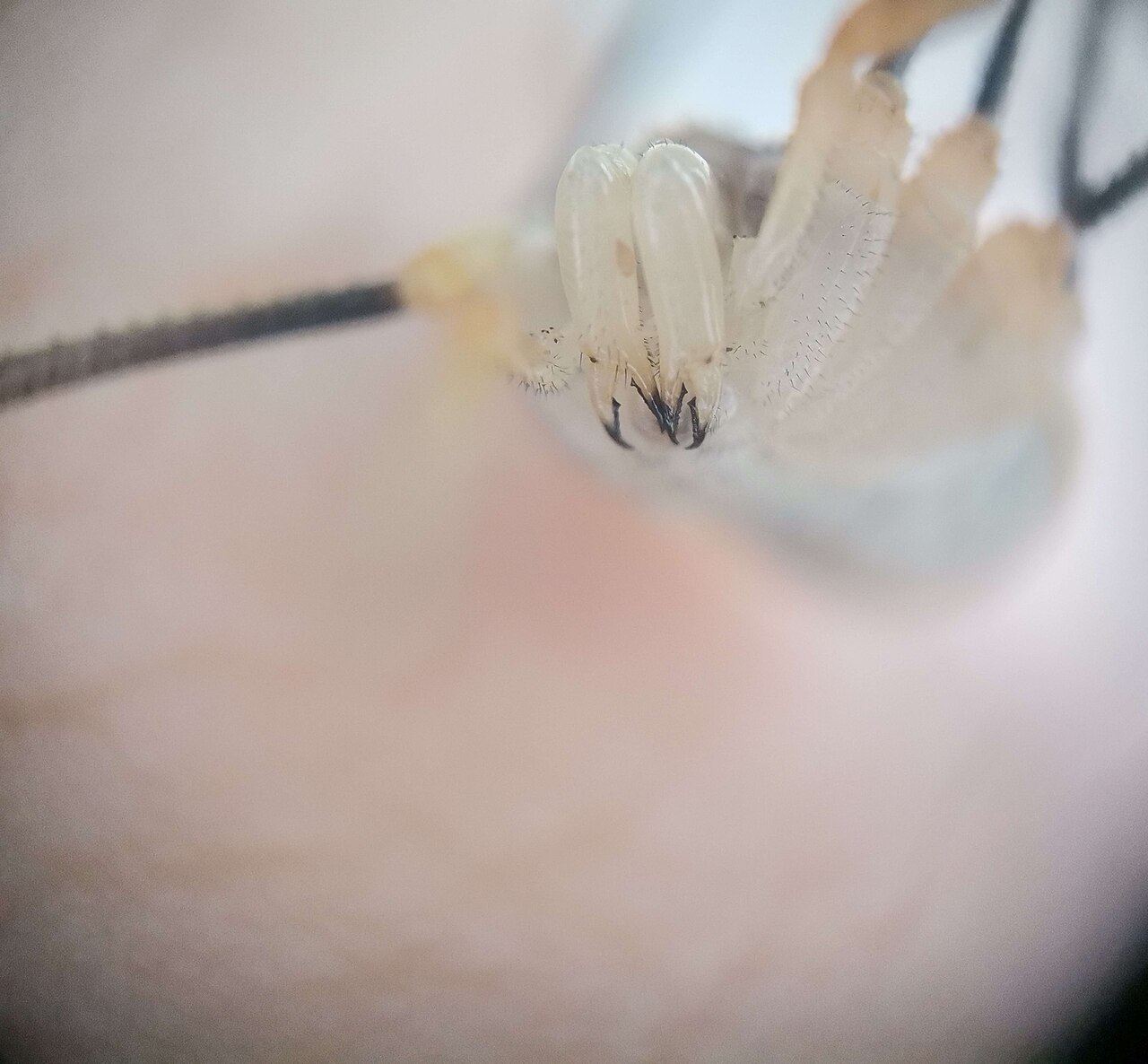
Harvestmen have a compact, oval body with the segments of the abdomen broadly joined to the cephalothorax, producing the single-bodied appearance that distinguishes them from many spiders. As members of the class Arachnida, they possess eight legs, but they lack the silk-producing glands and venom glands that characterize many spiders. No described species of harvestmen is known to be dangerous to humans.
Questions and answers
Q: What are harvestmen?
A: Harvestmen are eight-legged arachnids that belong to the order Opiliones or Phalangids.
Q: How many species of harvestmen have been discovered?
A: More than 6,400 species of harvestmen have been discovered, but the real number of extant species may be more than 10,000.
Q: What is the age of the well-preserved fossils of harvestmen found in Scotland?
A: The well-preserved fossils of harvestmen found in Scotland are 400 million years old and were found in the Rhynie cherts of Scotland.
Q: Are harvestmen dangerous to humans?
A: Harvestmen are not dangerous to humans as none of the described species have poison glands.
Q: What do harvestmen eat?
A: Many species of harvestmen are omnivores and eat anything they can find. Most of the time, this is small insects, some plants, and fungi.
Q: What is the commonly used name for harvestmen in some places?
A: In some places, harvestmen are known by the name "daddy longlegs", but this name is also used for two other unrelated arthropods: the crane fly (Tipulidae) and the cellar spider (Pholcidae).
Q: How are harvestmen different from spiders?
A: Harvestmen are not spiders as they have no venom or silk glands, while spiders have these.
Related articles
Author
AlegsaOnline.com Harvestmen (Opiliones): Biology, Diversity, Fossils, and Ecology Leandro Alegsa
URL: https://en.alegsaonline.com/art/72846
Sources
- commons.wikimedia.org : Opiliones