
Oliver Reed (1938–1999)
British actor Robert Oliver Reed was known for an intense screen presence and memorable roles in films such as Women in Love and Gladiator; his stage, film and television career spanned several decades.
Overview
Robert Oliver Reed (13 February 1938 – 2 May 1999) was a British actor noted for a powerful, often volatile screen presence. Born in Wimbledon, Surrey, he came from a theatrical family: his uncle was director Sir Carol Reed and his grandfather was actor‑manager Herbert Beerbohm Tree. Reed worked across theatre, film and television, building a reputation as a compelling character performer whose off‑screen life attracted public attention as much as his roles did.
Image gallery
4 Images

Early life and training
Reed was raised in a milieu familiar with the stage and film industries. He trained as a stage actor and performed in repertory theatre and on the West End before making a sustained transition to film and television. That grounding in theatre informed his physical commitment and his approach to character work.
Screen career
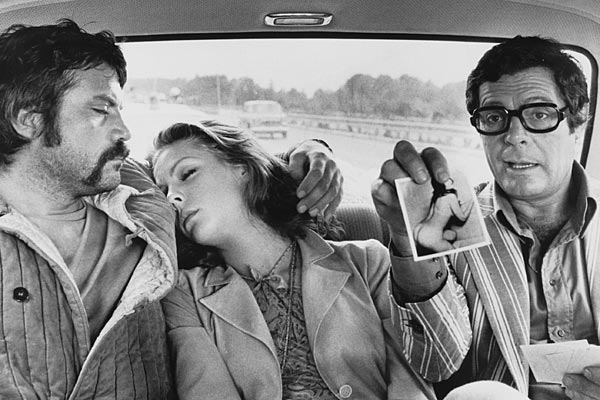
From the late 1960s Reed became better known to international audiences. He was often cast as a tough, charismatic figure and worked with directors who valued his intense energy. He moved between mainstream studio productions, independent and art‑house projects, and period films, showing a capacity for both villainous and complex supporting roles.
Notable works
Some of the films most frequently associated with Reed include titles that span different genres and eras. Among these are:
- Women in Love
- The Devils
- The Three Musketeers
- Tommy
- Castaway
- Gladiator (his final screen appearance was completed using existing footage after his death)
Personal life and death
Reed’s public image was shaped both by his performances and by a reputation for heavy drinking and a confrontational persona. Contemporary accounts and later retrospectives describe his struggles with alcohol and its impact on his health and career. He died of a heart attack in Valletta, Malta, on 2 May 1999 while working on location. His death prompted reflection on a career that mixed notable artistic achievements with self‑destructive behaviour.
Legacy
Critical assessments of Reed acknowledge his distinctive presence and his ability to dominate scenes; he is often remembered as a quintessentially physical actor whose intensity made supporting roles memorable. Film historians and fans continue to discuss both his performances and the complexities of his life off screen.
Further reading and resources
- Comprehensive biography and career overview
- Selected filmography and credits
- Birthplace and early life details
- Wimbledon and Surrey background
- Sir Carol Reed — family connection
- Herbert Beerbohm Tree — theatrical lineage
- Stage career and early theatre roles
- Major film appearances and critical notes
- Discussion of controversial films
- Final film and completion of role
- Contemporary profiles addressing personal life
- Circumstances of death and location
- Retrospectives and legacy commentary
Related articles
Author
AlegsaOnline.com Oliver Reed (1938–1999) Leandro Alegsa
URL: https://en.alegsaonline.com/art/72404
Sources
- telegraph.co.uk : Telegraph obituary