
Alcoholism (Alcohol Use Disorder): Causes, Symptoms, and Treatment
Alcoholism, or alcohol use disorder, is a chronic condition marked by impaired control over drinking, health and social harms, and potential dependence; it is treatable through therapy, medication, and support.
Alcoholism, clinically referred to as alcohol use disorder (AUD), is a persistent pattern of harmful alcohol consumption that impairs health, relationships, work, or other important areas of life. While drinking alcohol is socially accepted in many cultures, alcoholism describes a medical condition in which use becomes compulsive and damaging. For general information about addiction and support options see addiction resources and for background on alcohol itself see what alcohol is.
Image gallery
10 Images


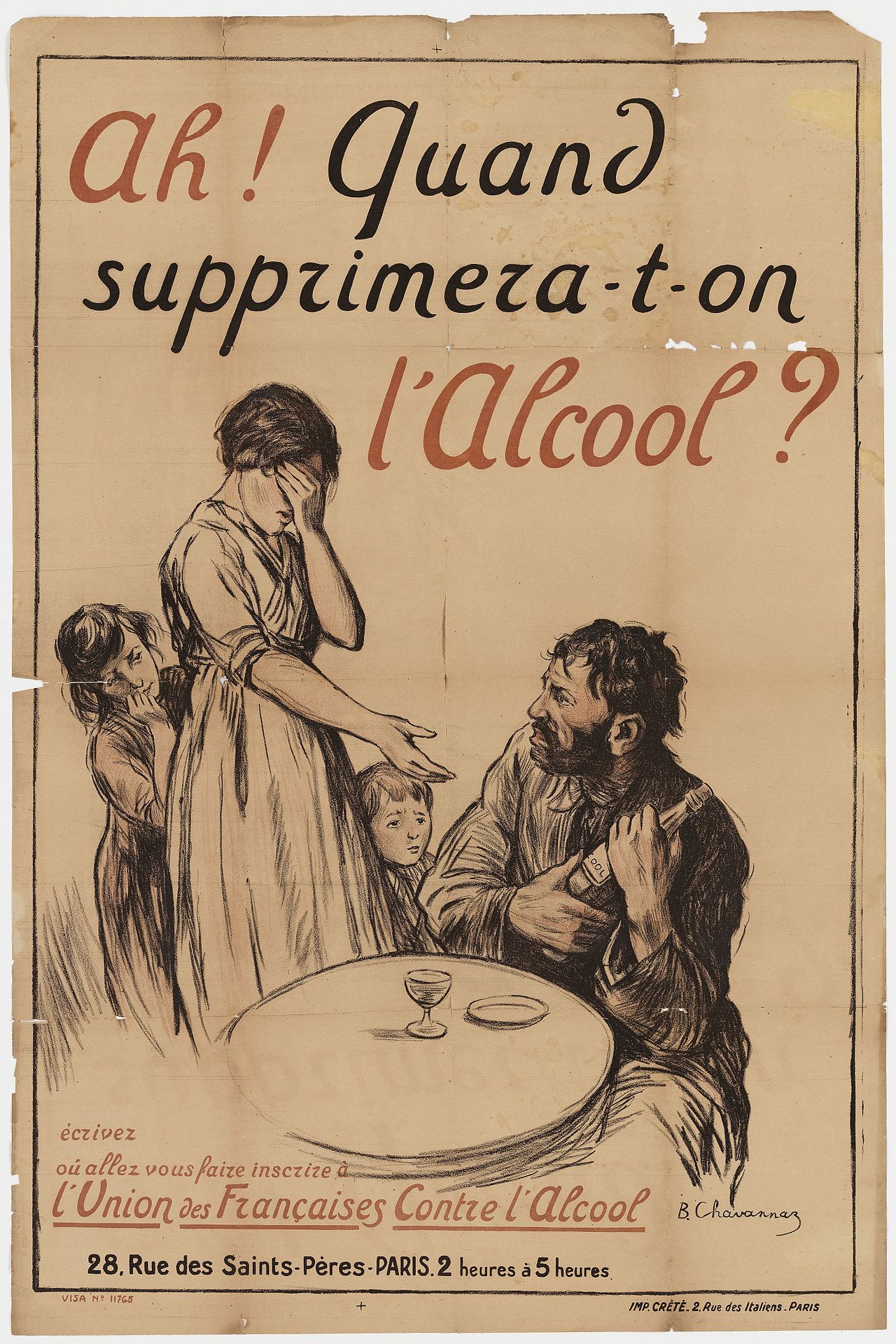


Definition and core features
Modern diagnostic systems identify AUD by a cluster of signs that may include a strong craving to drink, loss of control over intake, increased tolerance (needing more to feel the same effects), and withdrawal symptoms when drinking stops. Severity is often rated as mild, moderate, or severe depending on how many criteria are met. Because AUD ranges from risky use to severe dependence, the number and intensity of symptoms guide clinical decisions.
Common symptoms and consequences
- Craving or preoccupation with alcohol.
- Repeated unsuccessful attempts to cut down or stop.
- Continued drinking despite medical, social, or legal problems.
- Physical effects such as hangovers, liver damage, or withdrawal syndromes.
- Increased risk of accidents, mood disorders, and family disruption.
AUD is recognized as a health condition rather than a moral failing; many health agencies treat it as a disorder with biological, psychological, and social components (disease model overview). Alcohol is also classified as a psychoactive substance, and public information about its risks is often found in resources on drugs and substance use (drug information).
Causes, risk factors, and history
Risk factors include genetic predisposition, early exposure to alcohol, co-occurring mental health conditions (such as depression or anxiety), stressful environments, and social influences. Cultural attitudes toward drinking shape prevalence and help-seeking. Over the 20th century, understanding shifted from simple moral judgment to a biopsychosocial model that recognizes both vulnerability and personal responsibility.
Treatment, recovery, and social aspects
Treatment may combine psychosocial therapies (motivational interviewing, cognitive-behavioral therapy, family therapy), mutual-support groups (such as 12-step programs), supervised medical detoxification when needed, and medications that help reduce craving or discourage heavy drinking. Long-term recovery often involves addressing housing, employment, and coexisting health problems. For resources on addressing stigma and supporting people in care see stigma resources and guidance on addressing shame at support for shame. Information about denial and how it can affect recovery is available at denial and recovery.
Because alcohol is legal and widely used, AUD carries social stigma that can discourage people from seeking help. Early recognition, compassionate care, and evidence-based treatment increase the chances of sustained improvement; many people move from problematic drinking to stable recovery with appropriate support.
Questions and answers
Q: What is alcoholism?
A: Alcoholism is addiction to alcohol. People who have alcoholism are called alcoholics.
Q: Is alcoholism a disease?
A: Yes, alcoholism is a disease. It often gets worse over time, and can kill a person.
Q: Can alcoholism be treated?
A: Yes, alcoholism can be treated.
Q: What drug is the most commonly used in the world?
A: Alcohol is the most commonly used drug in the world.
Q: How many people worldwide suffer from alcoholism?
A: Around the world, there are at least 208 million people with alcoholism.
Q: Is there a social stigma associated with having alcoholism?
A: Yes, there is a social stigma associated with having alcoholism. Because of this, alcoholics often feel ashamed of their drinking. They may try to hide their drinking, avoid getting help, or refuse to believe that they are alcoholics because they are too ashamed.
Related articles
Author
AlegsaOnline.com Alcoholism (Alcohol Use Disorder): Causes, Symptoms, and Treatment Leandro Alegsa
URL: https://en.alegsaonline.com/art/2204
Sources
- who.int : "ICD-10 Classification of Mental and Behavioral Disorders"
- doi.org : 10.1001/jama.1992.03490080086030
- aafp.org : "Recognition of Alcohol and Substance Abuse"
- pubmed.ncbi.nlm.nih.gov : 12722853
- globaldrugsurvey.com : "The Global Drug Survey 2014 Findings: Reflections on the results of the world's biggest ever drug survey by Dr. Adam Winstock"
- who.int : "Alcohol"
- pewglobal.org : "Global Population Estimates by Age, 1950–2050"
- who.int : "The ICD-10 Classification of Mental and Behavioral Disorders: Clinical Descriptions and Diagnostic Guidelines"
- pubs.niaaa.nih.gov : "Beyond Hangovers: Understanding Alcohol's Impact On Your Health"
- books.google.com : Drink, Drugs and Dependence: From Science to Clinical Practice
- who.int : "Alcohol"
- who.int : “Part I: Consequences of Alcohol Use: Social Problems Associated with Alcohol Use.” In Global Status Report on Alcohol 2004
- emedicine.medscape.com : "Delirium Tremens (DTs)"
- ncbi.nlm.nih.gov : Alcohol Use Disorders: Diagnosis and Clinical Management of Alcohol-Related Physical Complications - NICE Clinical Guidelines, No. 100
- who.int : Global Status Report on Alcohol and Health