
Old North Church (Christ Church in the City of Boston)
Christ Church, commonly called the Old North Church, is an 18th-century Episcopal parish in Boston famed for its Revolutionary War lantern signal, historic architecture, burials, and ongoing preservation.
Christ Church in the City of Boston, widely known as the Old North Church, stands on Salem Street near Boston's historic North End. Constructed in the early 1720s, it is the oldest surviving church building in the city and a prominent example of colonial ecclesiastical architecture. The building’s exterior and proportions reflect influences drawn from English church design; historians often point to the work of Christopher Wren as a stylistic reference for its composition. The congregation remains an active parish of the Episcopal tradition within the Diocese of Massachusetts.
Image gallery
10 Images
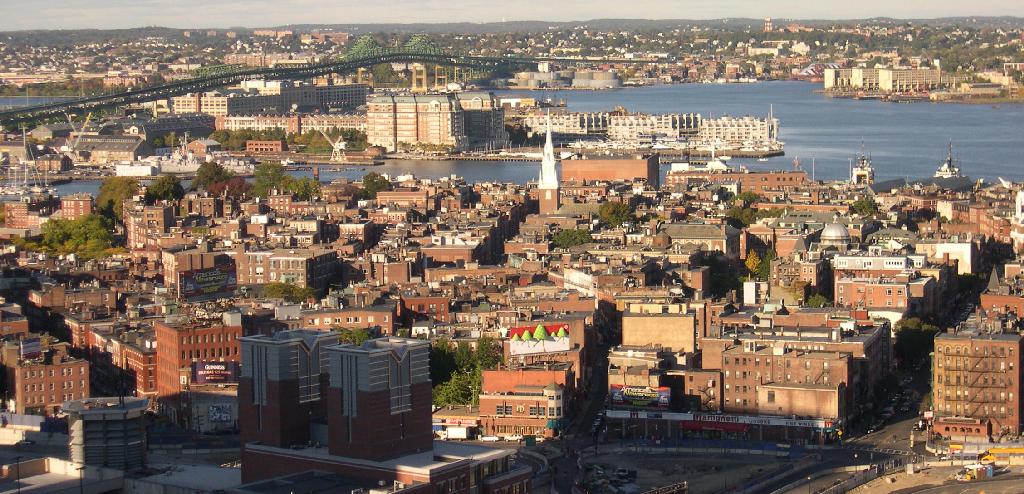


Architecture, interior, and notable objects
The church is recognized for its tall wooden steeple, interior box pews, and clear sightlines typical of Protestant houses of worship from the period. The steeple—reconstructed several times—rises to a height commonly cited as 175 feet and is capped by its original weathervane. Visitors inside the nave can see memorials and artifacts, including a prominently displayed bust of George Washington that the Marquis de Lafayette reportedly praised as an excellent likeness; this likeness is part of the church’s collection of historic objects that connect the building to national memory. Below the sanctuary, the church’s crypt and cellar contain burials and graves that document generations of North End residents.
Role in the American Revolution
The Old North Church is best known for its role in the events that preceded open hostilities in April 1775. On the night of April 18 a signal of lanterns hung in the church tower warned local patriots that British soldiers were moving by water toward Lexington and Concord; the two-lantern code was intended to convey that the troops were advancing 'by sea.' The signal, arranged by the sexton Robert Newman, became an emblematic moment portrayed in literature and memory. Henry Wadsworth Longfellow later immortalized the episode in his poem "Paul Revere’s Ride", which helped spread the story well beyond Boston. The physical lanterns and the story of that night remain central to the church’s public interpretation of its Revolutionary heritage; visitors can view representations and learn about the circumstances of that warning at the site.
Burials, preservation, and later history
The church’s lower levels contain tombs and graves; historical accounts note more than a thousand interments, many of whom were local residents and some connected to military actions of the era such as the Battle of Bunker Hill. The steeple has required rebuilding after storm damage recorded in years such as 1804 and 1954, with restoration efforts intended to respect the original appearance of the building. The historic importance of the site is recognized by its designation as a National Historic Landmark.
Commemoration, visitors, and ongoing use
The Old North Church has attracted attention from international visitors and public figures. In 1976, during events marking the U.S. bicentennial, Queen Elizabeth II visited the church; that year’s visit is often recalled in accounts of ceremonial gifts and commemorations, including presentation of a silver chalice modeled after one associated with Paul Revere. The church continues as a place of worship and a heritage site: it serves a living parish community, hosts educational programs and guided tours, and manages preservation work to protect its fabric and artifacts for future generations. Its layered identity—as an active Episcopal parish, a Revolutionary landmark, and a museum of local history—shapes both religious life and tourism in Boston’s North End.
Visiting and further information
Visitors typically learn about architectural details such as the tower and steeple, the lantern signal and its meaning (lantern as a historic object and signal as an action), and the church’s memorials including the Washington bust. The church maintains archives and interpretive materials that explain the congregation’s colonial origins and subsequent developments. For contextual study the site’s history can be cross-referenced with diocesan records and local historical research available through museum partners and academic collections.
Questions and answers
Q: What is the name of the church?
A: The official name of the church is Christ Church in the City of Boston, but it is more commonly known as Old North Church.
Q: When was it built?
A: The church was built in 1723.
Q: Who inspired its design?
A: The design of Old North Church was inspired by the works of Christopher Wren.
Q: What event does it commemorate?
A: Old North Church is most famously known for being where a lantern signal was sent by sexton Robert Newman from the church steeple on April 18, 1775 to warn American patriots that British soldiers were approaching Lexington and Concord by sea and not by land. This event has been immortalized in Henry Wadsworth Longfellow's poem "Paul Revere's Ride".
Q: How tall is the steeple now?
A: The current steeple stands at 175 feet (53 m) tall.
Q: Are there any bodies buried in the basement?
A: Yes, there are 1100 bodies buried in the basement, many of whom were killed at the Battle of Bunker Hill.
Q: Is Old North Church a National Historic Landmark ?
A: Yes, Old North Church is a National Historic Landmark.
Related articles
Author
AlegsaOnline.com Old North Church (Christ Church in the City of Boston) Leandro Alegsa
URL: https://en.alegsaonline.com/art/72292
Sources
- nrhp.focus.nps.gov : "National Register Information System"
- oldnorth.com : ONC History