
Old Synagogue (Erfurt) — medieval Jewish site and museum
The Old Synagogue in Erfurt, Germany, is one of Europe's best preserved medieval synagogues (oldest parts c. 11th century). It now houses a museum with the Erfurt Treasure and historic Hebrew manuscripts.
Overview
The Old Synagogue in Erfurt is a remarkably intact medieval Jewish house of worship located in the historic centre of Erfurt in central Germany. Architectural and archaeological evidence shows the building's earliest fabric dates from the late 11th century, with major construction phases around 1250–1320. Because of its survival through centuries of changing use and ownership, it is frequently cited as one of the best preserved medieval synagogues in Europe. Visitors and scholars study the site for its rare continuity of structure and its ability to illustrate Jewish communal life in the Middle Ages. For more information, see the site entry for the Old Synagogue in Erfurt.
Image gallery
8 Images


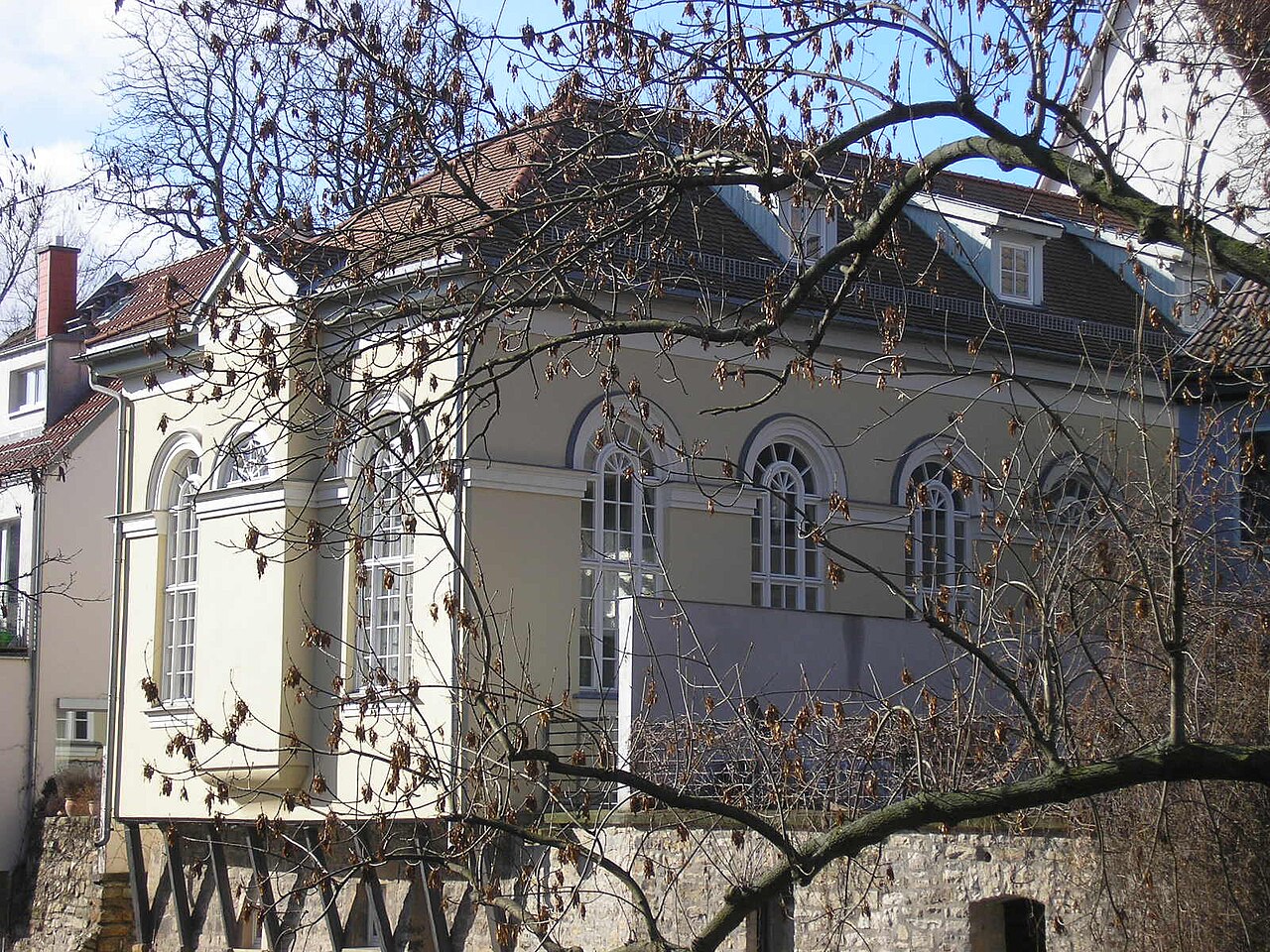



Architecture and building history
The synagogue exhibits a mixture of Romanesque and Gothic features, reflecting its long building history. The oldest masonry and foundational elements date to the late 11th century, while the larger prayer spaces and many decorative details belong to the 13th and early 14th centuries. Thick stone walls, original vaulted spaces and layered construction phases allow researchers to read successive episodes of enlargement and repair. Over time the building was adapted for diverse secular uses, a factor that paradoxically contributed to its preservation when many medieval Jewish sites elsewhere were destroyed.
Collections: Erfurt Treasure and Hebrew manuscripts
Since 2009 the Old Synagogue has operated as a museum of local Jewish history. Its permanent displays include the Erfurt Treasure, a cache of medieval coins, jewelry and metalwork discovered in 1998 that provides a vivid snapshot of material culture and wealth in a medieval urban Jewish community. The museum also exhibits copies of the Erfurt Hebrew Manuscripts — a group of rare religious and communal documents that once belonged to the town's medieval Jewish population. These items illuminate ritual practice, legal life and textual transmission in medieval Germany.
Historical significance and preservation
The Old Synagogue's importance rests both on its physical survival and on the documentary and portable finds associated with it. As one of the few medieval synagogues whose fabric remains largely recognizable, it offers direct evidence of synagogue architecture, spatial organization and urban placement. Because of this significance, the site was proposed in 2015 for consideration as a World Heritage Site, highlighting its value for understanding European and Jewish history at large. Relevant contextual discussions link the Erfurt building with studies of other medieval Jewish sites across Europe; see notes on medieval synagogues here and information about the World Heritage proposal here.
Visiting and further study
As a museum, the Old Synagogue presents exhibitions on daily life, religious observance and the regional history of Jewish communities. Guided displays interpret the architecture, present the finds from the treasure, and explain the manuscripts in accessible language. Scholars continue to examine the structure and objects to refine dating, usage and the synagogue's role within medieval Erfurt. For regional context and travel details, see resources on Erfurt and central Germany via the municipal and cultural links here and here.
Questions and answers
Q: What is the Old Synagogue in Erfurt?
A: The Old Synagogue in Erfurt is one of the best preserved medieval synagogues in Europe.
Q: When was the Old Synagogue built?
A: The oldest parts of the Old Synagogue were built in the late 11th century.
Q: What is the Erfurt Treasure?
A: The Erfurt Treasure is a collection of medieval coins, jewelry, and metalwork found in 1998.
Q: What are the Erfurt Hebrew Manuscripts?
A: The Erfurt Hebrew Manuscripts are a collection of rare religious manuscripts that belonged to the Jewish community of Erfurt in the middle ages.
Q: When was the majority of the Old Synagogue built?
A: Most parts of the Old Synagogue were built around 1250 to 1320.
Q: What has the Old Synagogue been since 2009?
A: The Old Synagogue has been a museum of local Jewish history since 2009.
Q: What has been proposed for the Old Synagogue in 2015?
A: The Old Synagogue was proposed as a World Heritage Site in 2015.
Related articles
Author
AlegsaOnline.com Old Synagogue (Erfurt) — medieval Jewish site and museum Leandro Alegsa
URL: https://en.alegsaonline.com/art/72303
Sources
- whc.unesco.org : Old synagogue and Mikveh in Erfurt - UNESCO world heritage centre
- juedisches-leben.erfurt.de : Jewish life in Erfurt. Erfurt Treasure
- juedisches-leben.erfurt.de : Jewish life in Erfurt. Erfurt Hebrew Manuscripts
- juedisches-leben.erfurt.de : Jewish Life in Erfurt. Old synagogue
- dw.com : Archeologists discover medieval Jewish bath in Erfurt
- juedisches-leben.erfurt.de : Jewish life in Erfurt. The Stone House
- juedisches-leben.erfurt.de : Erfurt Collection: Erfurt Hebrew Manuscripts
- myjewishlearning.com : My Jewish Learning - Mishnah and Tosefta