
Lantern
A lantern is a portable device that produces light for travel, signaling, work, decoration, and religious or seasonal festivals.
A lantern is a portable light source designed to be carried, hung, or placed where fixed lighting is unavailable. Unlike a simple open flame, a lantern usually surrounds the light with a frame or enclosure that helps protect it from wind and reduces the risk of accidental contact. Lanterns have been used for centuries in homes, streets, ships, camps, and ceremonies.
Image gallery
10 Images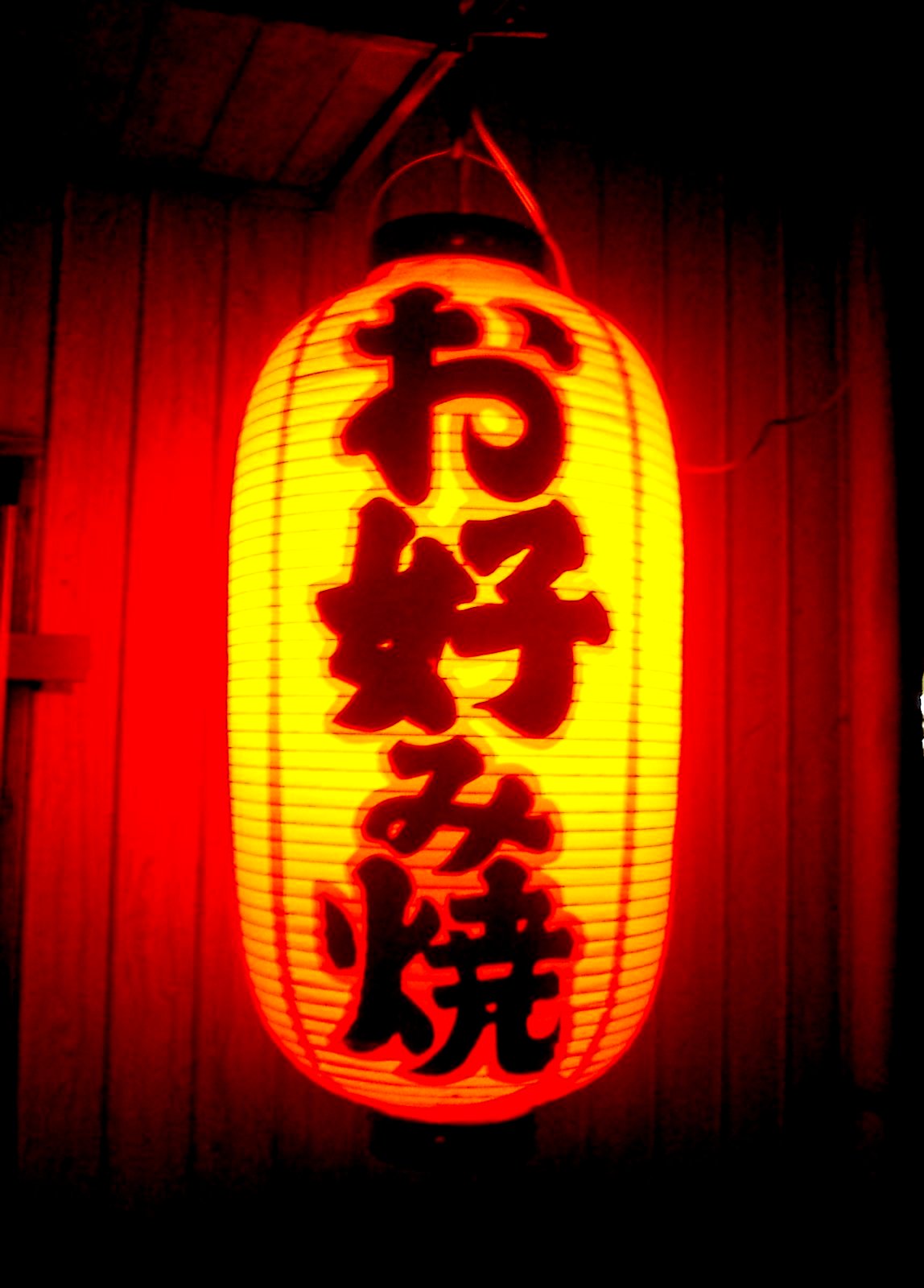




Design and types
Traditional lanterns often held a candle or another fuel source inside a protective case made of metal, glass, paper, or cloth. Later forms used oil, alcohol, or kerosene, and modern lanterns may be powered by batteries or electricity. Some are built mainly for practical illumination, while others are made to cast a softer glow for decoration or atmosphere.
- Portable lanterns for camping and emergency use
- Signal lanterns for communication or warning, such as signal lights
- Decorative lanterns used in homes, gardens, and public celebrations
- Fuel-based models that burn other fuels, including alcohol or kerosene
Uses through history
Before widespread electric lighting, lanterns were essential for movement after dark. People used them to walk safely outdoors, guide travelers, work in stables or workshops, and carry light on ships and trains. They also served as practical camping tools, where a protected flame was more reliable than an open candle in the wind. In some places, lanterns were part of public signaling systems or nighttime patrols.
Lanterns also have an important cultural role. In Japan, for example, lanterns appear in festivals such as Obon, where they are associated with remembrance and the welcoming or guiding of spirits. Similar lantern traditions exist in many cultures, where light symbolizes guidance, celebration, or respect. Some lanterns are built specifically as candle holders, while others are designed for handheld use in outdoor settings such as camping.
Although modern electric lamps and flashlights have replaced many everyday lanterns, the word still describes a broad family of portable light devices. Their continuing appeal comes from both function and appearance: a lantern can be a practical tool, a safety aid, and a decorative object at the same time.
Related articles
Author
AlegsaOnline.com Lantern Leandro Alegsa
URL: https://en.alegsaonline.com/art/55954