
Diocese (ecclesiastical district)
A diocese is the principal territorial unit of church governance overseen by a bishop. This article explains its structure, history, functions, and variations across Christian traditions.
Overview
A diocese is a defined geographic area of church life governed by a bishop. The bishop is the chief pastor and administrator responsible for the spiritual care and oversight of Christians within that territory. The term is often used across many Christian communions, including Roman Catholic, Eastern Orthodox, Anglican, and some Protestant churches. The bishop's office or jurisdiction is sometimes called the see or episcopal see.
Image gallery
3 Images

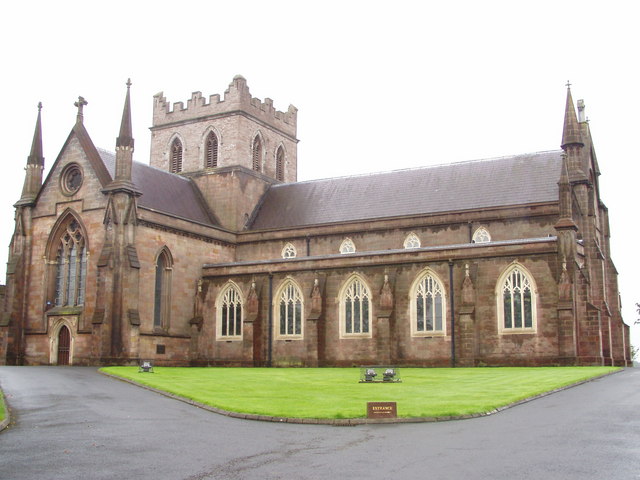
Main components and organization
Within a diocese are smaller units and institutions that carry out ministry and governance. Typical elements include:
- Parishes: Local congregations led by priests or pastors; a diocese contains many parishes.
- Cathedral: The principal church housing the bishop's chair (cathedra), symbolizing his teaching and governing role.
- Diocesan offices: Administrative bodies that manage personnel, finance, education, and charitable work.
Roles and functions
The bishop performs diverse duties: ordaining clergy, supervising liturgy and doctrine, providing pastoral care, and representing the church in civic affairs. He is accountable for clergy discipline, sacramental life, and the mission of the church in his territory. Lay and clerical councils often assist in decision-making and planning.
Historical development
The diocesan model emerged in the early centuries of Christianity and was shaped by older civil administrative divisions. Over time it became the central unit of ecclesiastical authority. Different eras and regions produced variations in size, governance, and relationship to secular power.
Variations and notable distinctions
Not all dioceses are identical: an archdiocese typically has a senior bishop called an archbishop and may oversee other dioceses. Eastern churches use terms such as eparchy or metropolis. The basic pastoral role of the bishop remains central, but structures adapt to local circumstances and denominational polity.
Importance and contemporary trends
Dioceses remain key for organizing ministry, education, and social services. Recent trends include reconfiguration of boundaries, shared leadership models, and collaborative networks across regions. Their continuing role is to coordinate resources and sustain community life among Christians in a given area.
Questions and answers
Q: What is a diocese?
A: A diocese is an area of land under the charge of a bishop who looks after the religious needs of the Christians who live there.
Q: What is the responsibility of a bishop in a diocese?
A: The bishop organises the work of the Church in the area and is responsible for all the ministers (priests) in his area.
Q: What is another word for diocese?
A: Another word for diocese is see, or even 'episcopal see'.
Q: What is the key geographical unit of religious authority in the church?
A: The diocese is the key geographical unit of religious authority in the church.
Q: What do archbishops have?
A: Archbishops have an archdiocese.
Q: What are parishes?
A: Inside each diocese are a number of parishes. Each parish is the area supervised by a local priest and is a part of the diocese.
Q: Who supervises each parish in a diocese?
A: Each parish in a diocese is supervised by a local priest.
Related articles
Author
AlegsaOnline.com Diocese (ecclesiastical district) Leandro Alegsa
URL: https://en.alegsaonline.com/art/27527