
Basement: definition, types, uses and construction considerations
An underground level of a building used for storage, mechanical systems, living space or shelter. Covers types, common features, history, uses and maintenance concerns.
The basement is the lowest habitable or service level of a building, typically located beneath the main floors. In many structures a basement occupies part or all of the footprint and may extend one or more levels down. A deeper level beneath a primary basement is often called a subbasement or subcellar, used for utilities or storage. Basements appear in a wide variety of buildings, from detached houses to large commercial properties; see related building types for more context.
Image gallery
10 Images


Characteristics and components
Basements are commonly enclosed by foundation walls and sit on a concrete slab or series of footings. They may have small windows, light wells, egress stairs and mechanical closets. Because they are usually partially or wholly below ground, basements interact with soil, groundwater and temperature differently than above‑ground rooms, which affects lighting, ventilation and waterproofing needs.
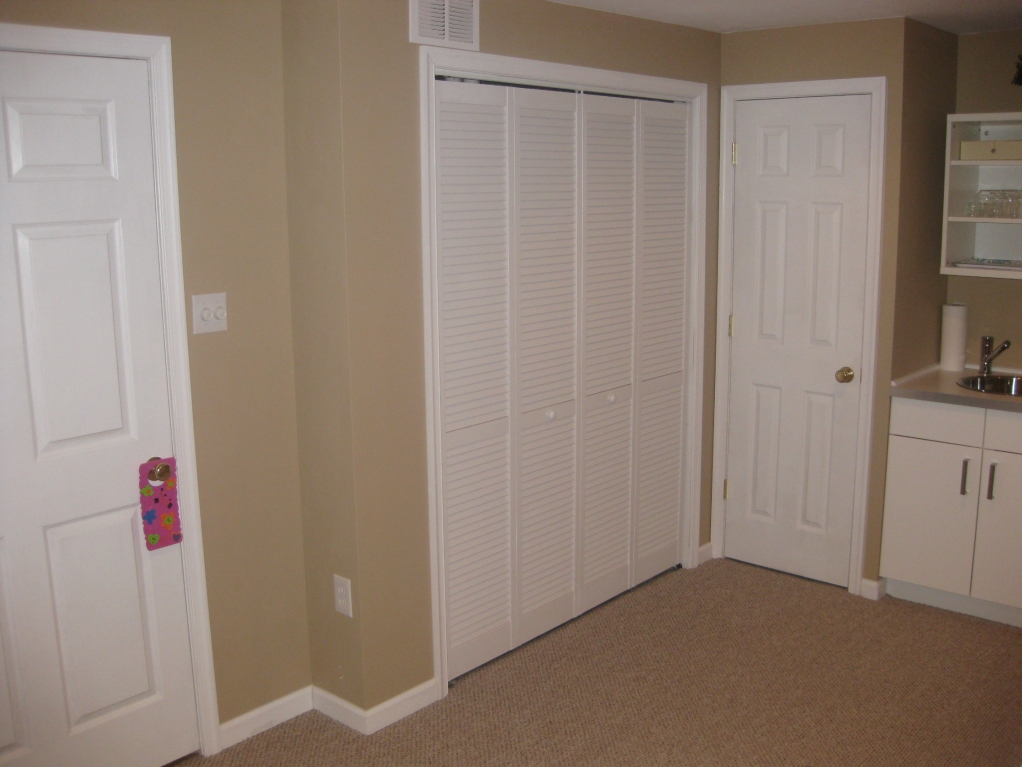
Ceiling height, natural light and access determine whether a basement is suitable for finished living space or is best used for storage and building systems. Some basements are finished into apartments, recreation rooms or studios; others remain unfinished with exposed joists and mechanical equipment.
History and development
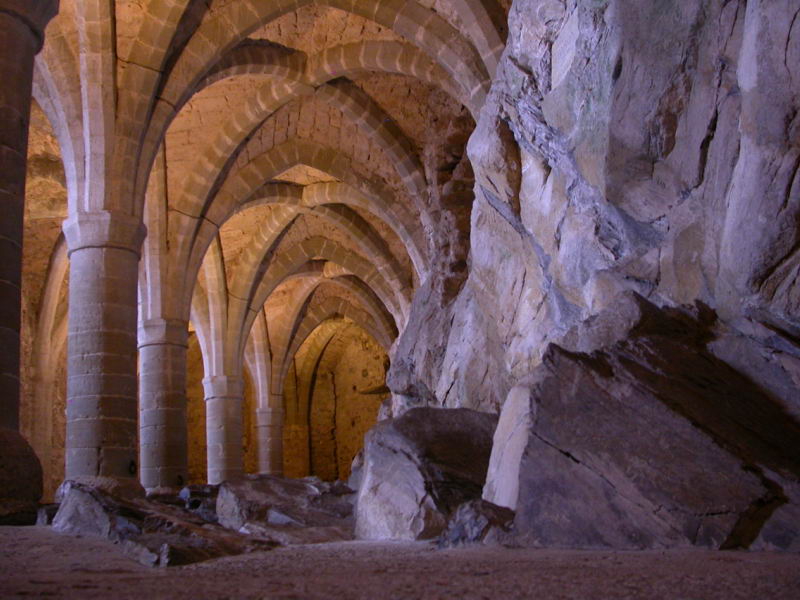
Cellars and basement-like spaces have long been used for storage, particularly for preserving food and wine in cooler, stable temperatures. As buildings and utilities became more complex, basements evolved to house furnaces, boilers, laundry, and later central heating and electrical equipment. Urban architecture developed regional variations, such as English basements or deep subbasements in large commercial buildings.
Common uses
- Storage for household items and seasonal goods
- Mechanical rooms for HVAC, water heaters and electrical panels
- Finished living areas: bedrooms, family rooms, rental units
- Workshops, hobby spaces, wine cellars or storm shelters
Construction and maintenance concerns
Because basements contact soil and water, design must address drainage, waterproofing and moisture control. Typical measures include perimeter drains, sump pumps, exterior membrane or interior sealants, and proper grading around the building. Ventilation, insulation and vapor barriers reduce condensation and mold risk, while radon mitigation systems are used where gas seepage is a concern. Local building codes regulate egress, ceiling height and fire safety when basements are converted to living spaces.
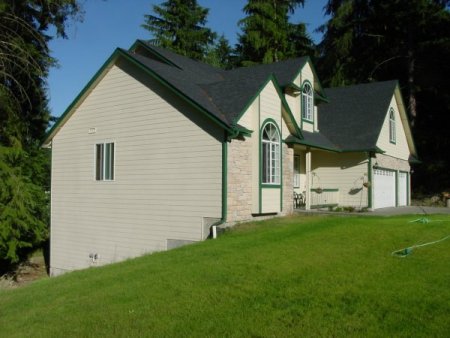
Variations in form include walk‑out basements that open to grade on one side, daylight basements with larger windows, and subbasements that serve specialized utility needs. Artificial illumination and electrical systems are commonly installed in basements; most modern basements have dedicated lighting and outlets to support their intended use.
Tags
Related articles
Author
AlegsaOnline.com Basement: definition, types, uses and construction considerations Leandro Alegsa
URL: https://en.alegsaonline.com/art/9216
Sources
- woodenhouse.ca : "Basement Finishing"
- thefreedictionary.com : thefreedictionary.com/Subcellar
- jeswork.com : jeswork.com/crawlspace-repair/history-of-crawl-space-and-basement-design/
- basementgurus.com : basementgurus.com