
One World Trade Center: overview, design, history and significance
One World Trade Center is the principal tower of New York City's rebuilt World Trade Center complex. A symbolic and functioning skyscraper, it combines office space, an observatory and modern safety design.
Overview
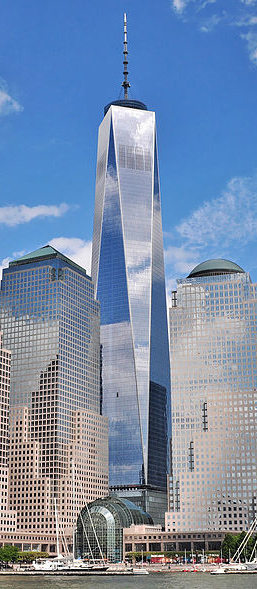
One World Trade Center (often shortened to One WTC and formerly nicknamed the Freedom Tower) is the signature skyscraper of the rebuilt World Trade Center complex in Lower Manhattan. Rising to a symbolic height of 1,776 feet, it is the tallest building in the United States and the Western Hemisphere. The tower serves as a commercial office building, contains broadcasting equipment and offers a public observatory near its summit.
Image gallery
10 Images


Design and key features
The tower was designed to combine a modern curtain-wall of glass with a robust, reinforced concrete core and a steel structure. Its profile steps in from a square base to an octagonal midsection and then to a slender glass parapet topped by a spire. Designers emphasized improved structural resilience, fire safety and controlled public access. The crown and spire are important visual and functional elements: together they reach the building's full height and house communications equipment.
History and construction
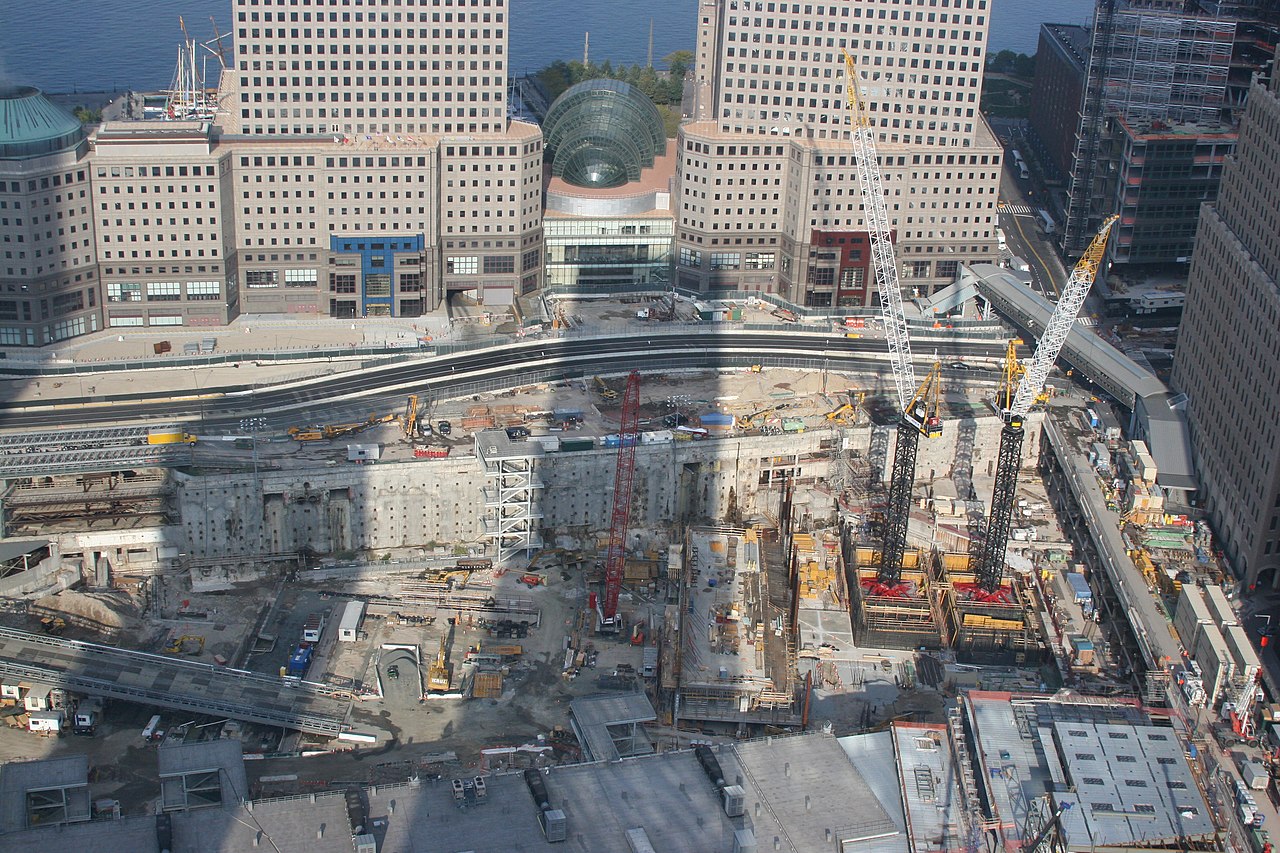
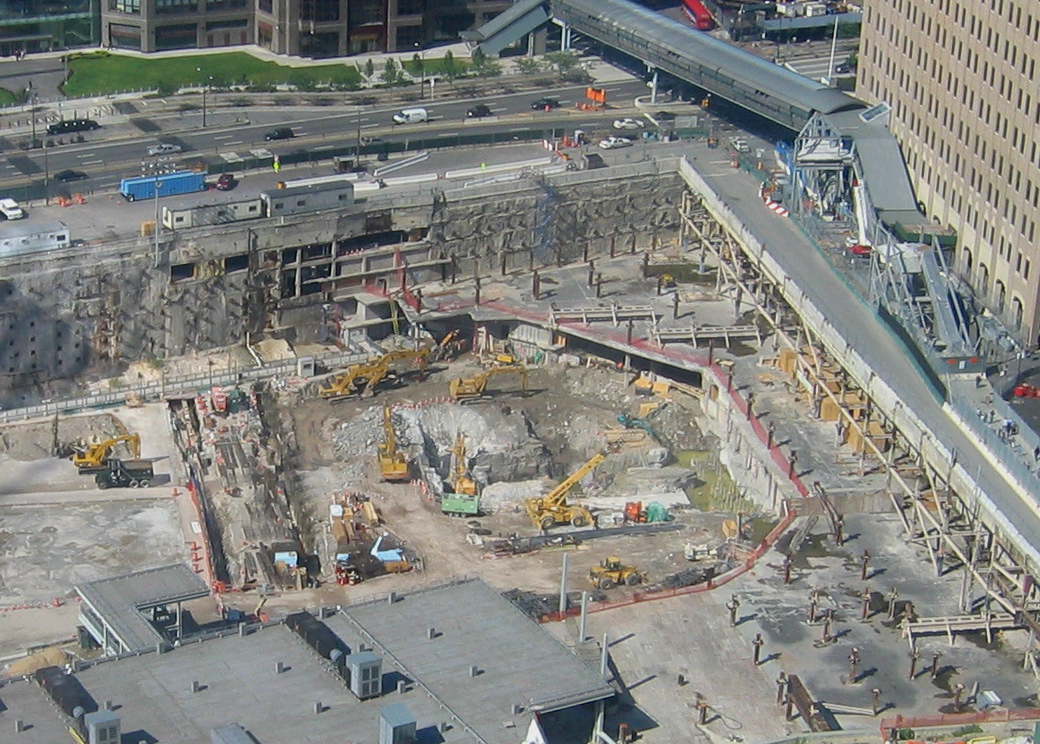
Conceived as the main element of the post‑2001 reconstruction of the World Trade Center site, One WTC emerged from an extended planning and design process involving architects, public officials and stakeholders. Construction began in the mid‑2000s, the tower structurally topped out in the early 2010s, and it opened to tenants in stages during the mid‑2010s. The building is often discussed in the context of the adjacent National September 11 Memorial and Museum and the broader effort to restore a mixed‑use district in Lower Manhattan.
Uses, public amenities and significance
Primarily an office tower, One WTC accommodates a range of tenants and broadcast facilities. Visitors can experience panoramic views from the observatory, which provides interpretive displays about the city and the site's history. The tower is both a functioning commercial structure and a civic landmark: it plays a role in the skyline, in urban renewal, and as a site of remembrance and resilience for many people.
Notable facts and distinctions
- The building's height—1,776 feet—was chosen for its symbolic reference to American independence.
- Its official name is One World Trade Center, though "Freedom Tower" is a common informal name.
- Design choices prioritized safety and modern building systems while keeping a strong visual presence on the skyline of New York City.
- The tower contains extensive office space and broadcasting infrastructure; many businesses lease space for headquarters and operations and other functions.
As a landmark completed after a long public planning process, One World Trade Center is both a working high‑rise and a symbolic centerpiece of Lower Manhattan's recovery.
Related articles
Author
AlegsaOnline.com One World Trade Center: overview, design, history and significance Leandro Alegsa
URL: https://en.alegsaonline.com/art/72610
Sources
- wtc.com : "Freedom Tower has a new preferred name" · webcitation.org
- usatoday.com : "Spire permanently installed on WTC tower"
- onewtc.com : "World Trade Center Re-opens as Tallest Building in America" · web.archive.org
- money.cnn.com : "One World Trade Center, the tallest building in the Western Hemisphere, is open for business"
- usnews.com : "One World Trade Center Observatory Opens to Public"
- forbes.com : "1 World Trade Center Officially New York's New Tallest Building"
- wsj.com : "Tower Rises, And So Does Its Price Tag"
- skyscrapercenter.com : "One World Trade Center – The Skyscraper Center"
- emporis.com : "One World Trade Center"
- foxnews.com : "One World Trade Center to retake title of NYC's tallest building"
- onewtc.com : "Office Leasing"
- thyssenkruppelevator.com : "Elevating One World Trade Center"
- wtc.com : "One World Trade Center"