
Old master print
A fine-art print produced in Europe before c.1830, made by relief and intaglio methods such as woodcut, engraving and etching; associated with artists like Dürer, Rembrandt and Goya.
Overview
An "old master print" describes a work of fine art made by traditional printing techniques in Europe up to about 1830. These prints were produced as individual impressions from a matrix — a block, plate or plate-like surface — rather than as photographs or mechanically reproduced images. They are valued both as artworks in their own right and as a record of an artist's design and technical skill.
Image gallery
10 Images


Techniques and materials
Old master prints were created using a small number of principal methods. Each method leaves characteristic marks and qualities that help specialists identify how a print was made.
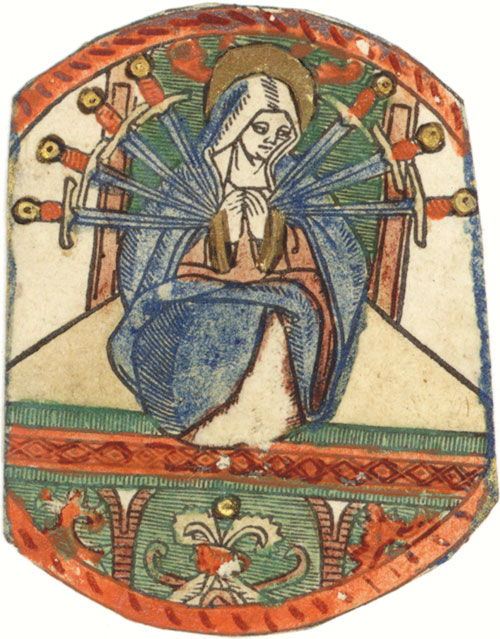
- Woodcut: a relief process in which raised areas of a wood block are inked and pressed to a surface.
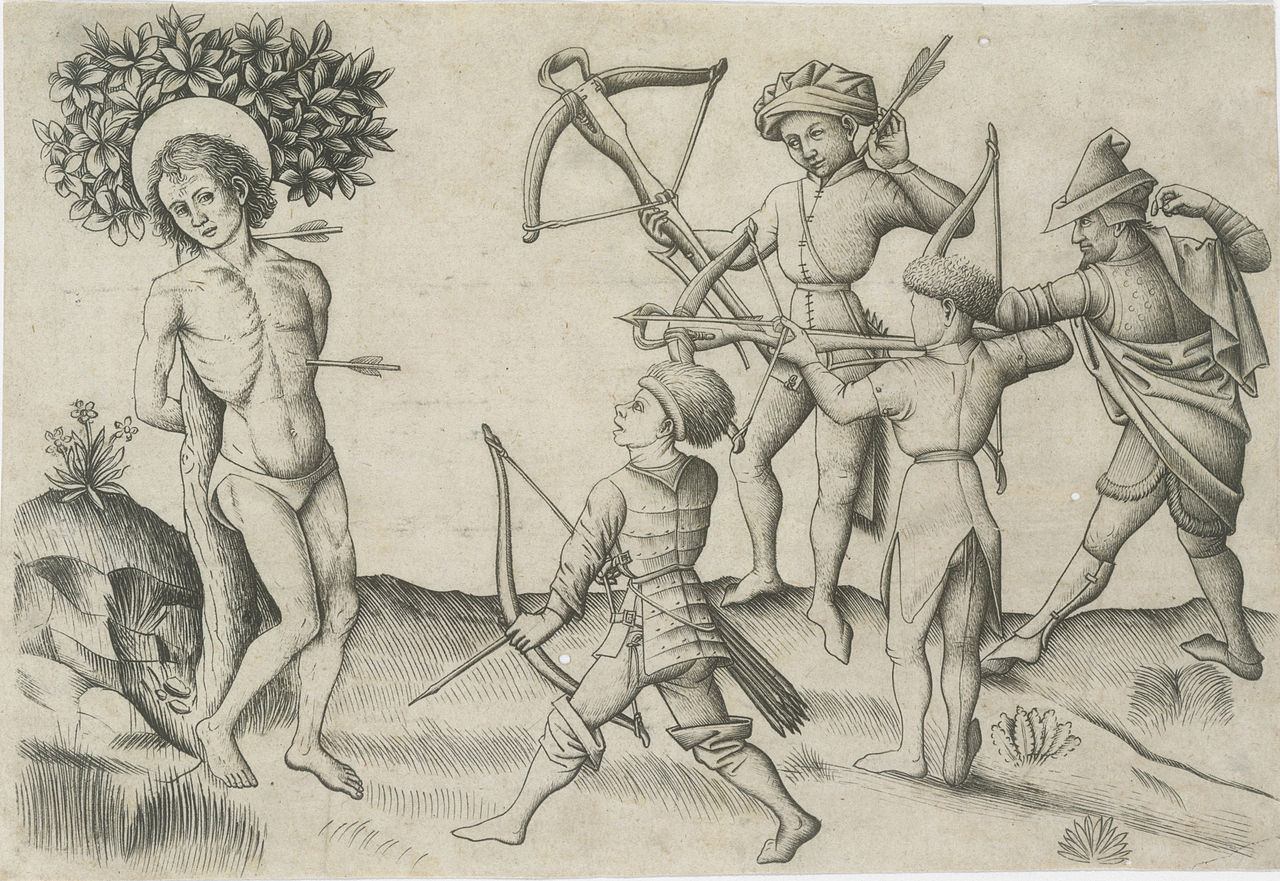
- Engraving: an intaglio technique where lines are incised into a metal plate and hold the ink.
- Etching: an acid-assisted intaglio method allowing freer, drawn lines on a prepared plate.
In addition to these, artists sometimes used drypoint, mezzotint and aquatint to achieve tonal effects. Most impressions were made on handmade paper, and on occasion on vellum or other supports. The condition of the paper, watermarks and ink all factor into attribution and dating.
History and notable artists
The practice grew rapidly after the invention of printing in Europe and became an important medium from the 15th through the early 19th centuries. Many leading painters and draftsmen executed prints themselves or supervised their production. Notable figures include Albrecht Dürer, whose engravings and woodcuts set high artistic standards, and Rembrandt, renowned for his varied etching technique. Francisco Goya produced powerful late examples that pushed the expressive range of printmaking. The term broadly applies to works by such artists and their contemporaries across Europe.
Characteristics, states and editions
Old master prints often exist in multiple "states": impressions taken at different stages of a plate's alteration. Because the matrix can be reworked, prints may show progressive changes. Early impressions are generally preferred for clarity and tonal depth. Editions were not standardized in the modern sense, and the number of impressions from a plate could vary widely.
Collecting, conservation and significance
Collectors and museums prize old master prints for their rarity, historical importance and technical achievement. Conservation focuses on controlling light, humidity and acidity to protect fragile paper and faded inks. Authentication typically involves close visual study of technique, paper analysis, and provenance research. For a practical introduction to print history and technique, see resources on printmaking.
These works remain central to the study of European art: they document artistic ideas, circulate images widely in their time, and demonstrate the inventive ways artists handled line, tone and composition. For further reading and examples, see specialist catalogues and museum collections that illustrate how printmaking shaped visual culture.
Etching, engraving and woodcut techniques each contributed distinct expressive possibilities to the visual vocabulary of old master prints, a legacy still studied and admired today. Additional references: paper studies, scholarship on European print history, and monographs on Dürer and Rembrandt.
Related articles
Author
AlegsaOnline.com Old master print Leandro Alegsa
URL: https://en.alegsaonline.com/art/72287