
Etching (printmaking)
Etching is an intaglio printmaking method in which acid bites lines into a metal plate through a drawn ground, allowing artists to produce detailed prints with varied line and tone.
Overview
Etching is an intaglio printmaking technique in which lines and textures are created by exposing parts of a metal plate and letting acid "bite" into those exposed areas. The plate holds ink in the incised areas, and when pressed to paper it yields a printed image. Etching allows for expressive, fluid line work and a range of tonal effects that have made it a favourite among artists and printmakers.
Image gallery
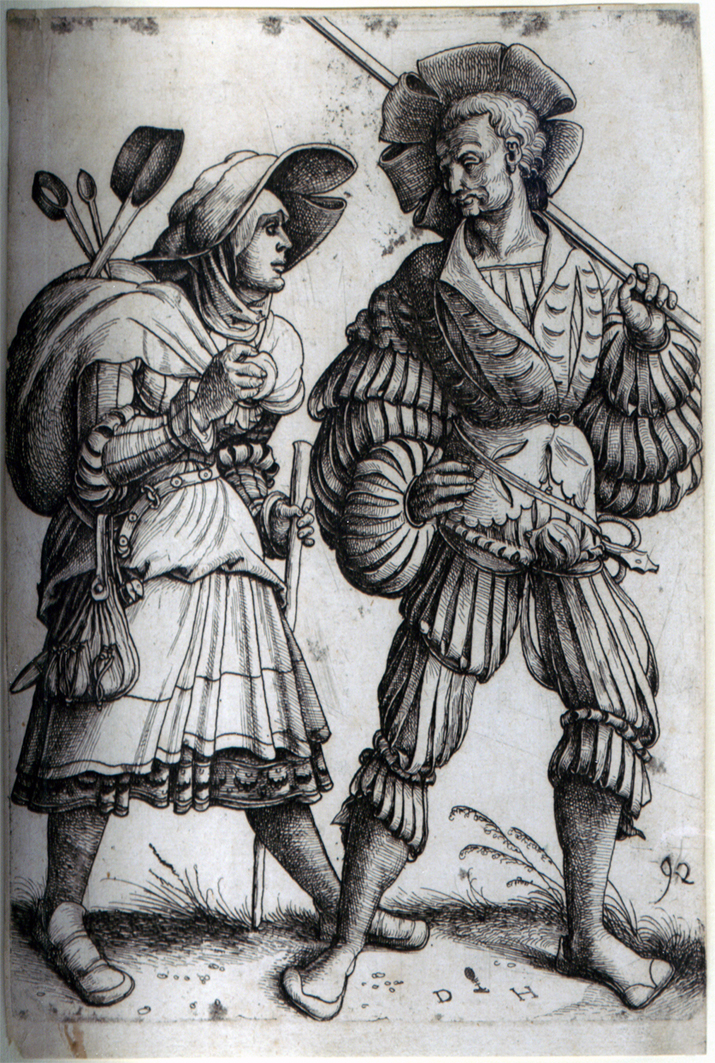
10 Images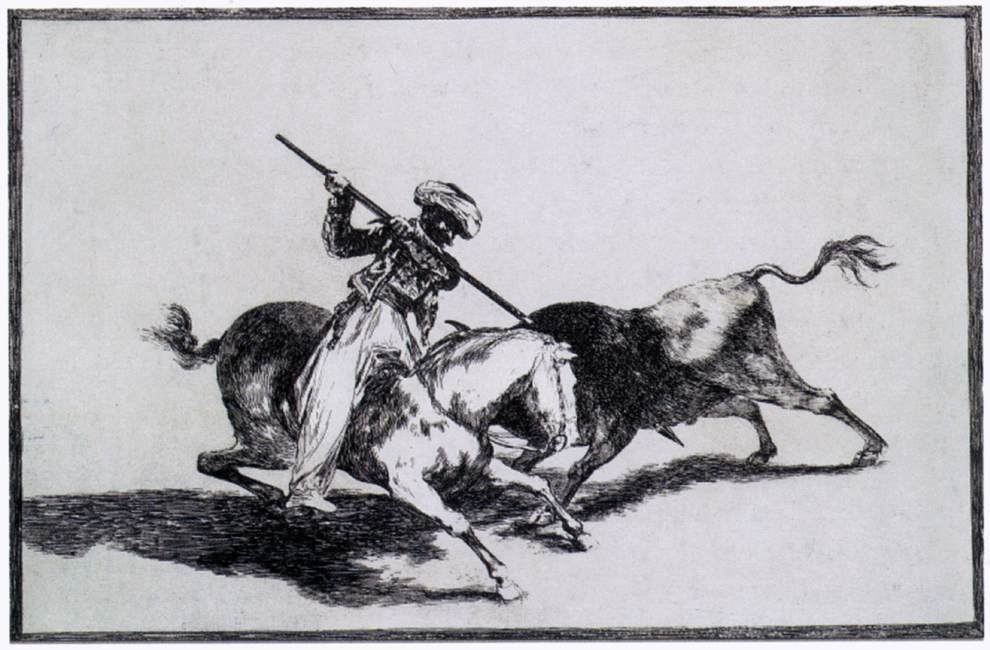



Process
The basic workflow of traditional etching involves a sequence of controlled steps. A metal plate is polished and coated with an acid-resistant ground; the artist draws through that ground to expose metal; the plate is immersed in an acid bath until the exposed lines are bitten to the desired depth; finally the ground is removed, the plate is inked and wiped, and a damp sheet of paper is run through an intaglio press to pull the impression.
- Prepare and ground the plate.
- Draw lines through the ground to expose the metal.
- Bite the plate in acid to deepen exposed lines.
- Ink, wipe to remove surface ink, and print on damp paper.
Materials and tools
Common metals for etching plates are a copper plate or a zinc plate, each offering different bite qualities and durability. A variety of grounds—hard and soft—are used to resist acid. Inking requires a suitable oil-based ink, and printers often use special wiping materials and a press. Historically, different acids and mordants have been used to bite lines; modern studios favour safer or more controllable etchants.
Techniques, variants and examples
Etching can be combined with related intaglio methods. Aquatint permits areas of tone rather than only lines, drypoint creates burrs by scratching the metal directly, and mezzotint produces rich darks through a textured ground. Artists may "stop out" areas to protect them during successive bites, creating multiple depths of line known as states. Famous practitioners who expanded etching as an art form include Rembrandt and Goya, whose work demonstrates the expressive possibilities of the medium.
Distinctions and notable facts
Unlike engraving, which cuts lines directly into metal with a burin, etching uses an acid to incise drawn lines—this makes etching more accessible to painters and draftsmen because of its immediacy. Etched plates produce a mirrored image on the paper, so artists often compose with reversal in mind. Editions, plate wear, and the number of impressions printed from a plate are important considerations for collectors and conservators.
Conservation and contemporary practice
Modern etchers balance traditional methods with safety and conservation: alternative etchants and protective equipment reduce hazards, and electro-etching offers controlled bites without strong acids. The plate itself can corrode over time, altering later impressions; careful storage and limited editions help preserve both plate and prints. Specialists continue to teach etching in workshops and print studios, keeping the technique alive both as an artistic medium and a means of producing reproducible images.
Practitioners also pay attention to surface effects produced by partially wiping or deliberately leaving a waxed surface film to create subtle tonal variations. These small decisions shape the character of the final print and distinguish etching from other print media.
Related articles
Author
AlegsaOnline.com Etching (printmaking) Leandro Alegsa
URL: https://en.alegsaonline.com/art/32357
Sources
- merriam-webster.com : "Etching | Definition of etching by Merriam-Webster"
- metmuseum.org : "The Printed Image in the West: Etching"