
Olympia (Manet)
Olympia is an 1863 oil painting by Édouard Manet that shocked the 1865 Paris Salon with its candid depiction of a reclining nude and its challenge to academic traditions.
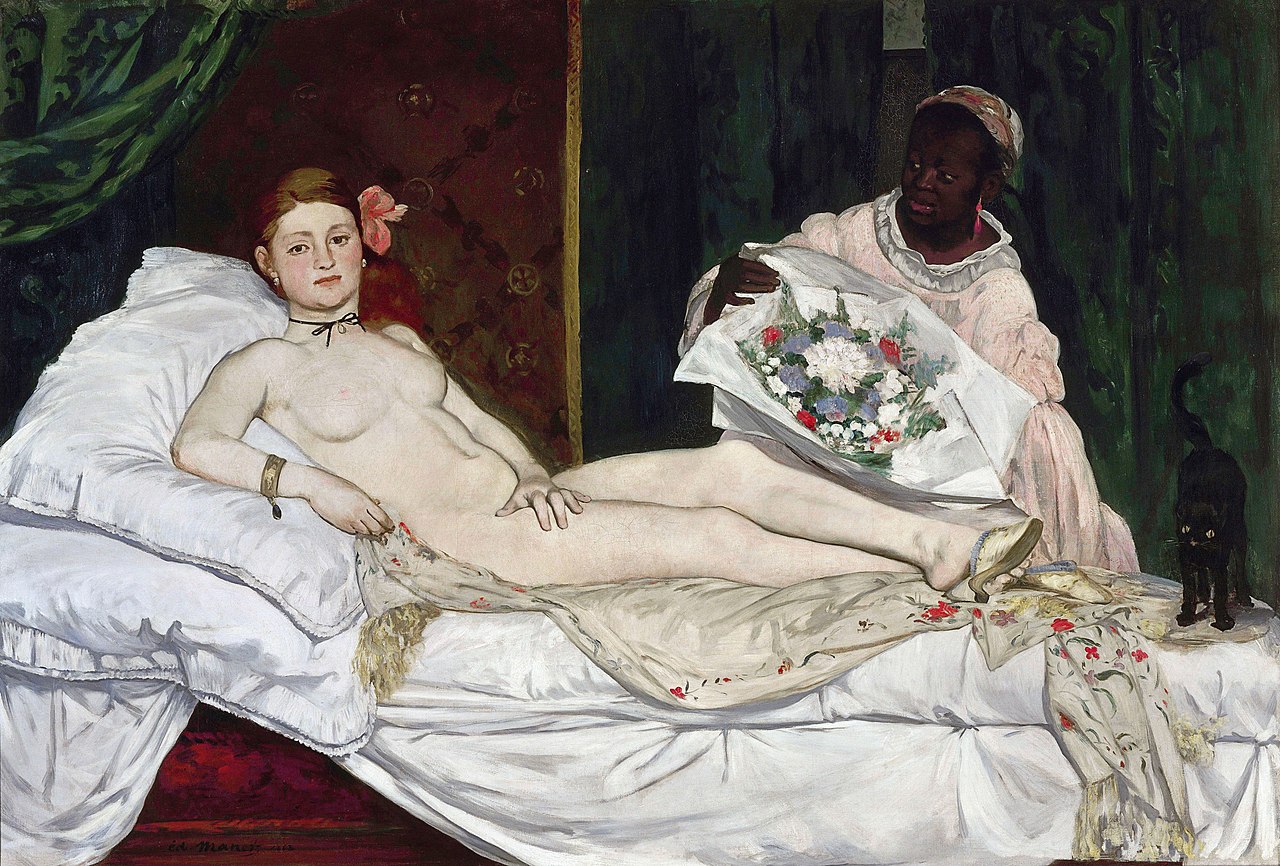
Olympia is an oil painting by Édouard Manet completed in 1863 and first shown publicly in 1865. Presented on a large canvas, it depicts a nude woman reclining on a bed and meeting the viewer’s gaze with an unembarrassed, direct look. The painting is famous for provoking strong reactions at the Paris Salon and for marking a turning point in the move from academic art toward modern painting.
Image gallery
8 Images



Description and composition
Manet places his central figure forward and close to the picture plane. The reclining woman is attended by a standing maid who brings a bouquet, and a black cat sits at the foot of the bed. Key features include the subject’s confrontational stare, the stark contrast of pale flesh against darker drapery, and deliberately visible brushwork that flattens depth compared with traditional academic nudes.
History and reception
When exhibited in 1865 the painting outraged critics and parts of the public. Commentators objected to its frankness and to the suggestion that the subject was a contemporary woman of questionable social reputation rather than an idealized goddess. The work became a focal point in debates about realism, morality, and modern life in art.
Style, influences, and significance
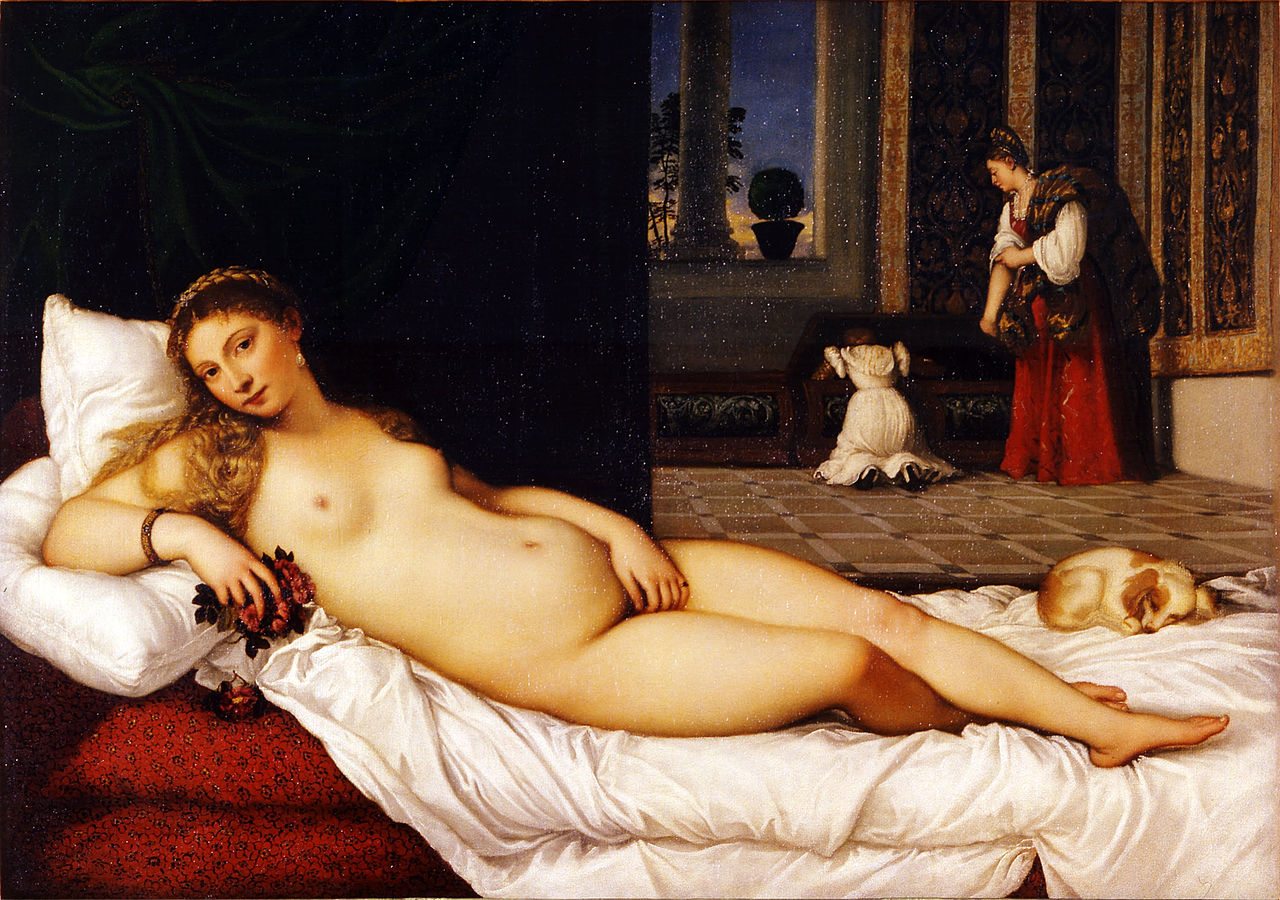
- Manet drew on canonical precedents — notably Titian’s reclining Venus — but altered pose, props, and expression to modernize the theme.
- Brushwork and lighting emphasize flat planes and immediate perception rather than polished illusion.
- The painting helped open a path toward Impressionism and later modernist experiments by prioritizing contemporary subjects and painterly surface.
Over time Olympia has been reassessed as a major modern masterpiece that challenged established conventions about representation, gender, and the role of art in contemporary life. For further context on Manet’s career and related works, see Manet and his paintings.
Related articles
Author
AlegsaOnline.com Olympia (Manet) Leandro Alegsa
URL: https://en.alegsaonline.com/art/72450
Sources
- books.google.com : Goya as portrait painter, p. 190