
Woodcut: Relief Printmaking Technique, History, and Variations
Woodcut is a relief printmaking method in which an image is carved into a wood block, inked, and printed. It has distinct tools, materials, historical traditions, and related techniques such as wood engraving and linocut.
Overview
A woodcut is a relief printing technique in which an image is incised into the surface of a wood block so the remaining raised areas receive ink and transfer the design to paper or fabric. As a method of printing, it produces bold contrasts and a characteristic textural quality. The technique is sometimes referred to by the formal term xylography, though that label is used more often in academic discussion than in studio practice.
Image gallery
10 Images




Technique and materials
Woodcuts are made by removing the non-printing parts of the block so that the image to be printed stands level with the original surface. Carving follows the grain of the wood in typical practice; direction and hardness of the grain influence both tool choice and visual effect. In some traditions, the plank is carved along the grain, while in other relief methods artists work against the grain for different tonal possibilities. See also commentary on grain in relation to wood selection.
- Common tools: gouges and chisels for removing areas, knives for crisp lines, and a brayer or roller to apply ink.
- Inking and printing: a thin layer of ink is rolled over the raised surface; paper is then pressed by hand with a baren or rubbed with a spoon, or run through a press to transfer the image.
- Materials: European workshops often used soft-to-medium hardwoods such as beech (beechwood) for large blocks, while Japanese makers traditionally favored smooth, close-grained cherry (Japanese cherry) for fine line work.
- Ink: oil- or water-based inks are used depending on tradition and desired finish; the ink is applied with an inked roller (commonly a brayer).
Historical development
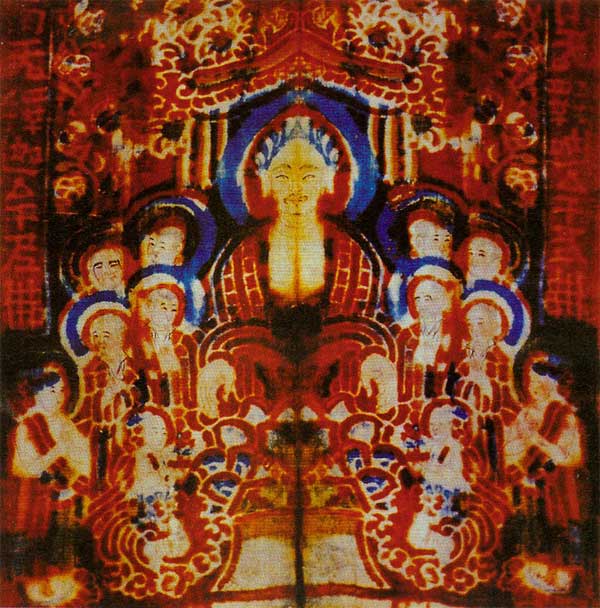
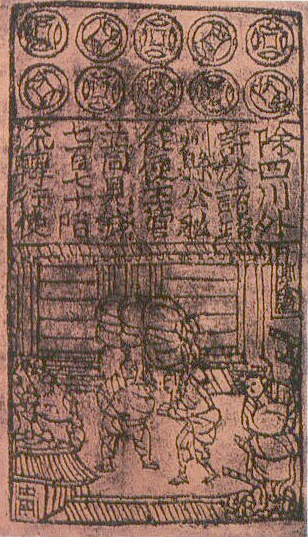
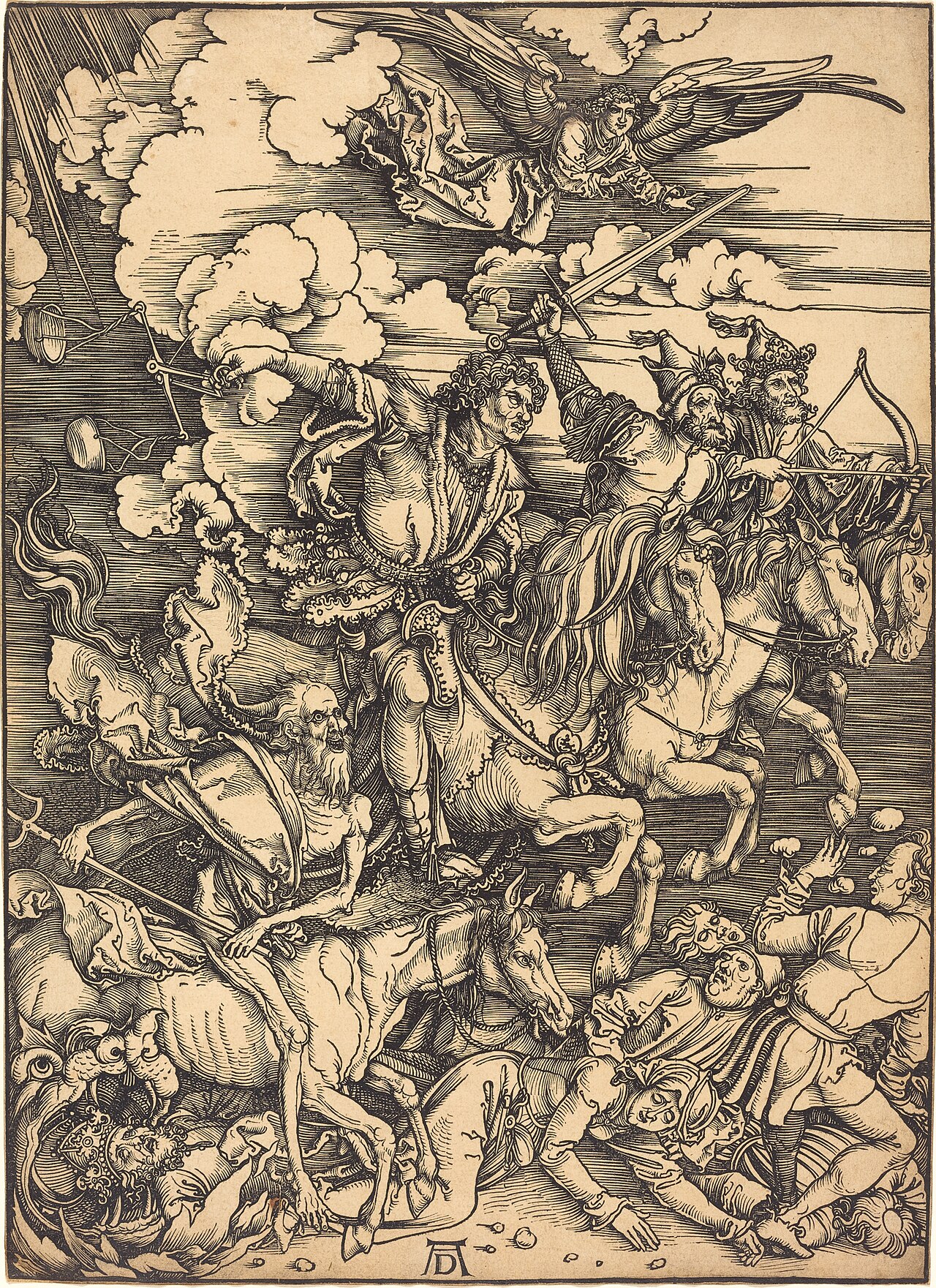
Woodcut printing has roots in early East Asian book and textile production, and it spread to Europe where it became a principal medium for book illustrations and devotional images before the rise of intaglio engraving. In East Asia the technique evolved into complex polychrome methods and the celebrated Japanese ukiyo-e tradition, which used multiple blocks to build up color in sequential printing. In Europe, woodcuts were central to illustrated books and to popular prints from the late medieval period into the Renaissance and beyond.
Uses, examples, and color printing
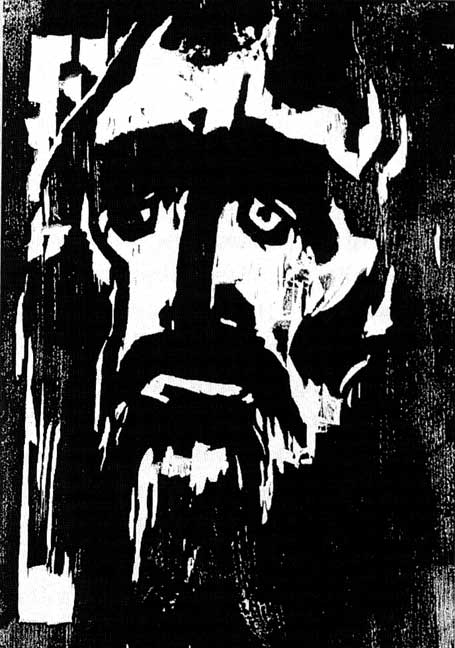
Historically woodcuts served many functions: illustration in books, single-sheet broadsides, playing cards, and decorative patterns on textiles. In art, woodcuts have been used for expressive black-and-white images as well as elaborate multi-block color prints. Color woodcuts require careful registration: a key block defines outlines and subsequent blocks add individual colors, each printed in turn to build the final image. The method remains popular with contemporary printmakers for its graphic immediacy and hands-on process.
Distinctions and notable facts
Woodcut is often compared with wood engraving and linocut. Wood engraving uses end-grain hardwood (such as boxwood) and fine steel engraving tools to achieve much finer detail and tonal variation; it developed later and is technically distinct from a plank-cut woodcut. Linocut substitutes linoleum for wood, offering a uniform surface that is easier to carve but lacks wood grain texture. Collectors and historians differentiate these methods by tool marks, grain patterns, and the directionality of carved lines.
Because each print is made from a carved block, editions can be produced with consistent imagery, but the handmade process yields subtle variations between impressions. The study of woodcuts — their materials, techniques, and wear on blocks — helps conservators attribute and date prints. For general further reading see resources on historical printmaking practices and technique manuals that explain step-by-step processes and workshop traditions.
Related articles
Author
AlegsaOnline.com Woodcut: Relief Printmaking Technique, History, and Variations Leandro Alegsa
URL: https://en.alegsaonline.com/art/108939