
Odonata: dragonflies and damselflies
Odonata is the insect order that includes dragonflies and damselflies. This article explains their anatomy, life cycle, evolution, behavior, ecological roles and conservation concerns.
Overview
Odonata is an order of predatory flying insects that includes the familiar dragonflies and damselflies. As a distinct group within the winged insects, they are long recognized for agile flight, large compound eyes and elongated bodies. Many general treatments of insect diversity place Odonata alongside other major flying groups; for comparison see links for order and flying insects. The common vernacular term often treats dragonflies and damselflies collectively as dragonflies and damselflies.
Image gallery
10 Images



Key characteristics
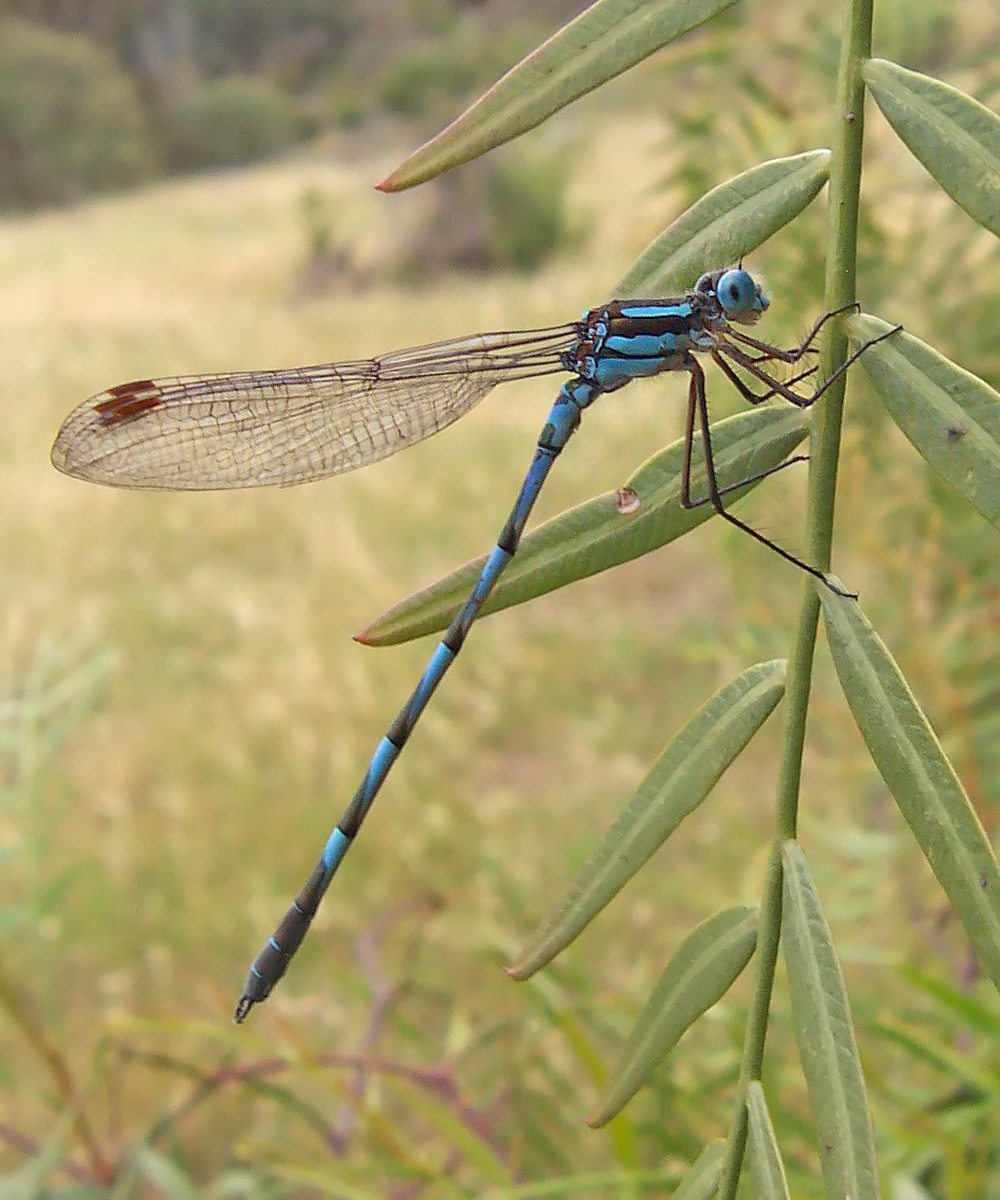
Members of Odonata share a suite of anatomical features adapted to active predation. Adults have two pairs of strong, net-veined wings and robust thoracic flight muscles. Their legs form a basket-like structure used to seize prey in flight, and their mouthparts are designed for biting. Vision is dominated by large compound eyes, especially in dragonflies. Both nymphs and adults are carnivorous.
Suborders and distinctions
The order is commonly divided into two living suborders that are easy to tell apart in the field. Broad distinctions include:
- Anisoptera — the dragonflies: generally larger, with eyes that meet or nearly meet on the head and wings held open at rest.
- Zygoptera — the damselflies: usually slimmer, eyes separated on the sides of the head and wings folded along or above the body when perched.
These differences reflect variations in ecology and flight style rather than a single ranking of complexity.
Life cycle and ecology
All Odonata have an aquatic juvenile stage. Eggs hatch into aquatic larvae—commonly called nymphs—that live in ponds, streams and other freshwater habitats. Nymphs are active predators that capture small aquatic animals using an extendable lower jaw. After a period of growth underwater, the nymph crawls out and metamorphoses into the winged adult. Because their larvae are aquatic, odonates are useful indicators of freshwater health. Adults continue the predatory habit, feeding mostly on other insects.
Evolutionary background
Odonates are an ancient lineage. Their earliest relatives trace back to Paleozoic insects that were far larger than modern forms. Some giant, superficially dragonfly-like fossils from the Carboniferous are placed outside the modern Odonata and are known by names such as the Protodonata or Meganisoptera. The modern crown-group odonates diversified by the early Mesozoic alongside other winged insect radiations including groups like beetles, Lepidoptera and Hymenoptera, and their lineage remains a subject of study in paleoentomology and comparative anatomy; see resources on the Mesozoic and Carboniferous for context.
Behavior, importance and conservation
Odonates are skilled aerial hunters with complex mating behaviors that often involve territory defense and intricate aerial displays. They play key roles as both predators and prey in freshwater and terrestrial food webs, helping control mosquito populations and serving as food for birds and fish. Because many species require high-quality freshwater habitat, they are vulnerable to pollution, wetland drainage and habitat fragmentation. Conservation efforts focus on protecting aquatic habitats and monitoring populations as indicators of ecosystem health.
Further reading
For summaries, identification guides and conservation status, see entomological resources and regional field guides. Additional general resources linked here give broader context to insect orders and fossil history: taxonomic overviews, insect flight and ecology, and targeted pages on dragonfly groups and freshwater biology. More specialized reading may cover fossil groups like the Protodonata and comparative notes with other flying insect radiations (beetles, butterflies and moths, wasps and bees), as well as the geological eras such as the Mesozoic that frame their deep history.
Related articles
Author
AlegsaOnline.com Odonata: dragonflies and damselflies Leandro Alegsa
URL: https://en.alegsaonline.com/art/71978
Sources
- books.google.com : The Biology of Dragonflies