
Okapi (Okapia johnstoni) — Central African forest giraffid
The okapi is a shy, forest-dwelling mammal in the giraffe family, native to Central Africa. It is known for zebra-like leg stripes, a long prehensile tongue, solitary habits and threatened conservation status.
Overview
The okapi (Okapia johnstoni) is a distinctive hoofed mammal native to the dense rainforests of Central Africa. Closely related to the giraffe, it shares several anatomical features with that taller relative while retaining a compact body adapted to closed-canopy forest. The species is often described as elusive and secretive; it was unknown to most western science until the early 20th century.
Image gallery
10 Images


Physical characteristics
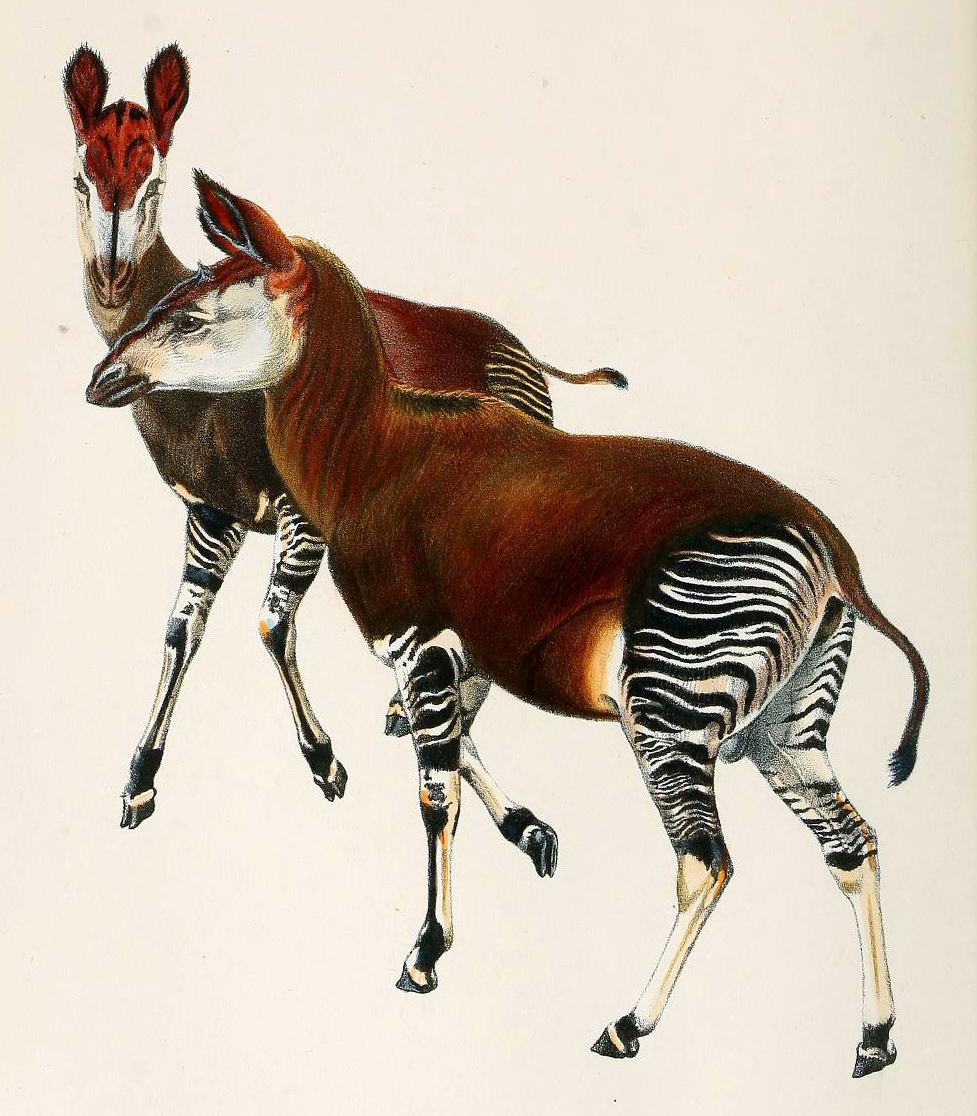
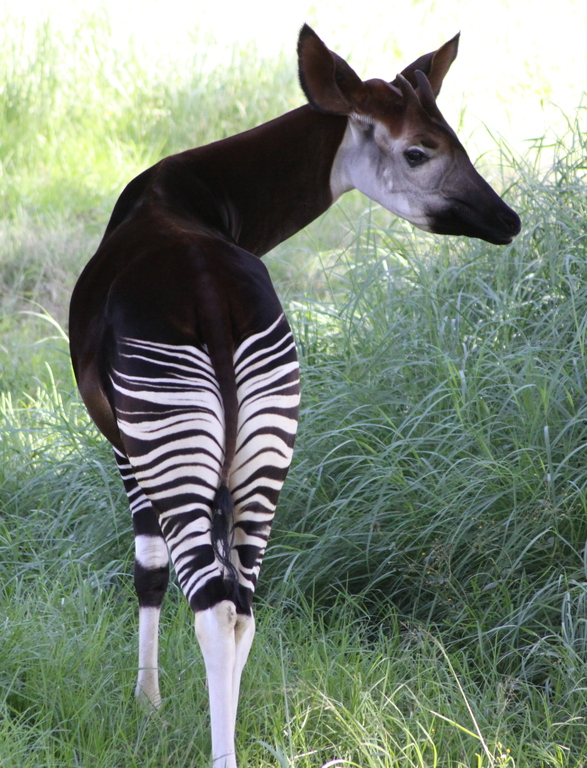
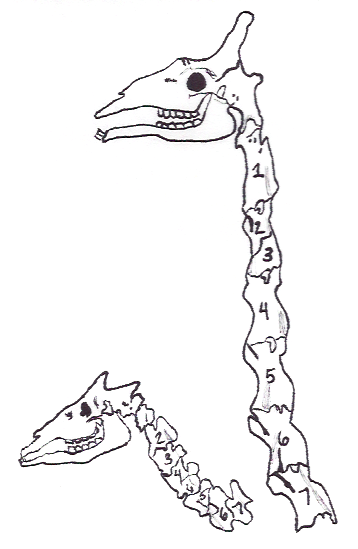
Okapi have a short neck compared with giraffes but possess the same number of neck vertebrae. Their most striking feature is the contrasting pattern on the hindquarters and upper legs: narrow, horizontal white stripes on a dark background that resemble zebra markings. They have large ears, a dark head and a long, prehensile tongue that is used to strip leaves and groom themselves. Adults are solitary and of moderate size compared with other large African ungulates.
Behavior, diet and ecology
Primarily browsers, okapi feed on leaves, buds, grasses, fruits and fungi found in the understory. Their long tongue and nimble lips allow careful selection of foliage. They are largely solitary, marking territory with scent from glands on their feet and forehead and communicating with low-frequency sounds. Predators include big cats and humans where habitat overlap occurs.
Range, habitat and taxonomy
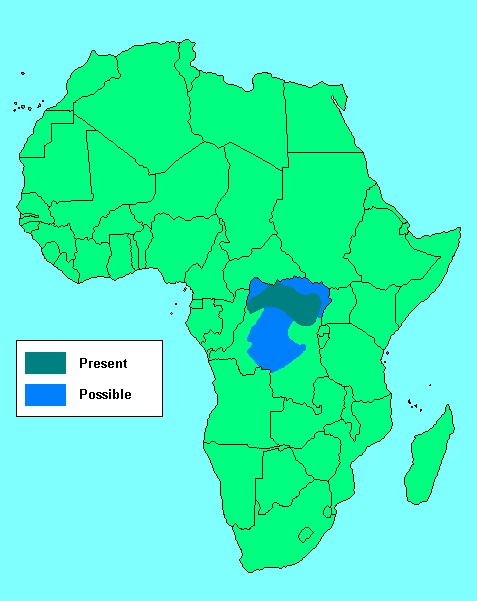
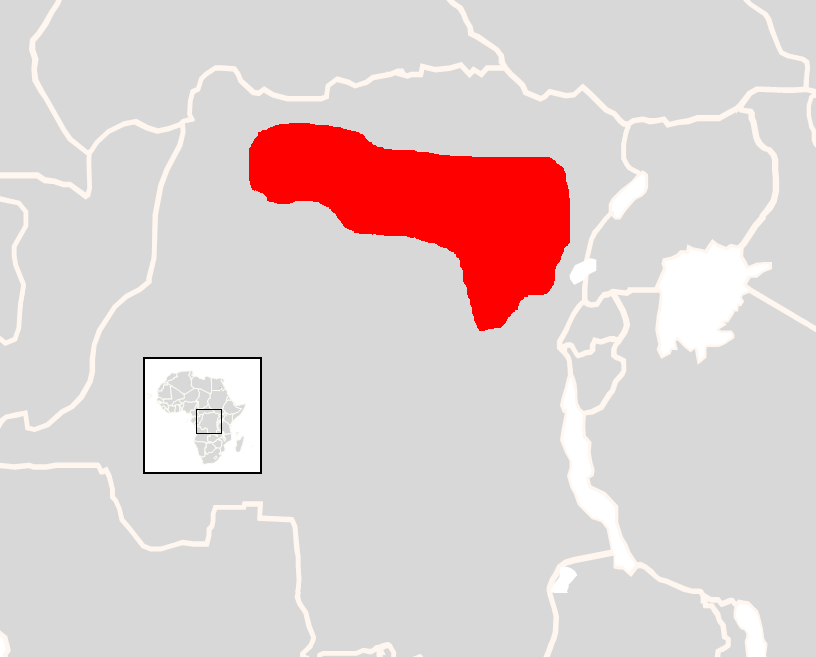
Okapi inhabit the humid lowland and montane rainforests of Central Africa, with the core population in the Democratic Republic of the Congo. Their reliance on mature, intact forest links their fate closely to habitat quality. For a summary of their biological classification see classification, and for maps of their known range consult sources on distribution. They and the giraffe together form the giraffe family.
History and human significance
The okapi entered scientific literature after specimens and reports reached explorers and naturalists in the late 19th and early 20th centuries. It has cultural importance to several forest communities and is a symbol for conservation efforts in its region. Notable protected areas established to conserve okapi habitat include the Okapi Wildlife Reserve, which highlights the species' role as a flagship for tropical forest preservation.
Conservation status and threats
Okapi populations face pressures from habitat loss driven by logging, mining and agricultural expansion, as well as from hunting and political instability in parts of their range. Conservation approaches include protected areas, anti-poaching work, scientific monitoring and captive breeding programs. For additional resources and research on conservation initiatives see further reading.
- Key features: striped legs, long tongue, solitary behavior.
- Threats: habitat loss, hunting, civil disturbance.
- Conservation: reserves, monitoring, international attention.
Related articles
Author
AlegsaOnline.com Okapi (Okapia johnstoni) — Central African forest giraffid Leandro Alegsa
URL: https://en.alegsaonline.com/art/72185