
Odontoceti: the toothed whales — biology, behaviour, and diversity
Odontoceti (toothed whales) are a suborder of cetaceans including dolphins, porpoises and sperm whales; they use teeth and echolocation to hunt a range of prey and form complex social groups.
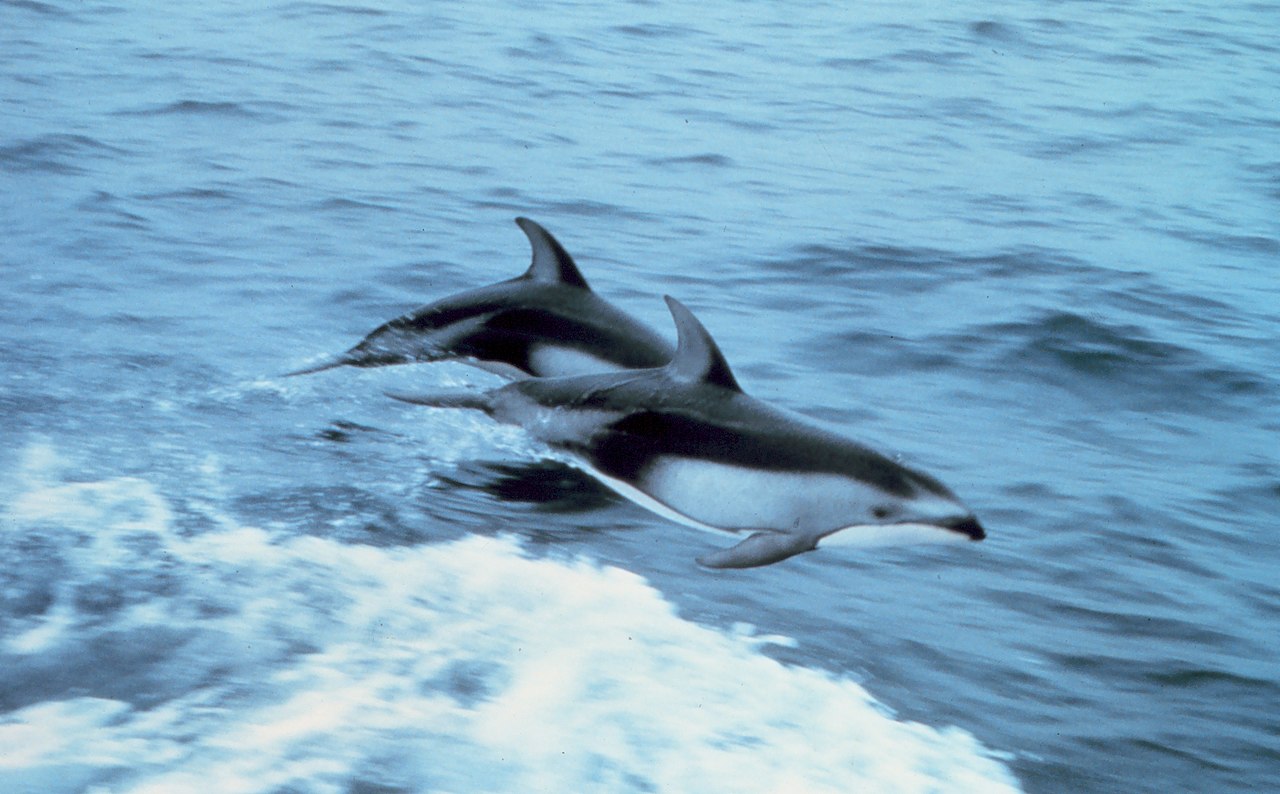
Odontoceti, commonly called the toothed whales, are a suborder of cetaceans characterised by the presence of teeth and the widespread use of echolocation. Members range in size from small porpoises to the sperm whale and include dolphins, porpoises, beaked whales and several other families. As predators that seize individual prey, they contrast with the baleen whales (Mysticeti), which filter feed on very small organisms.
Image gallery
10 Images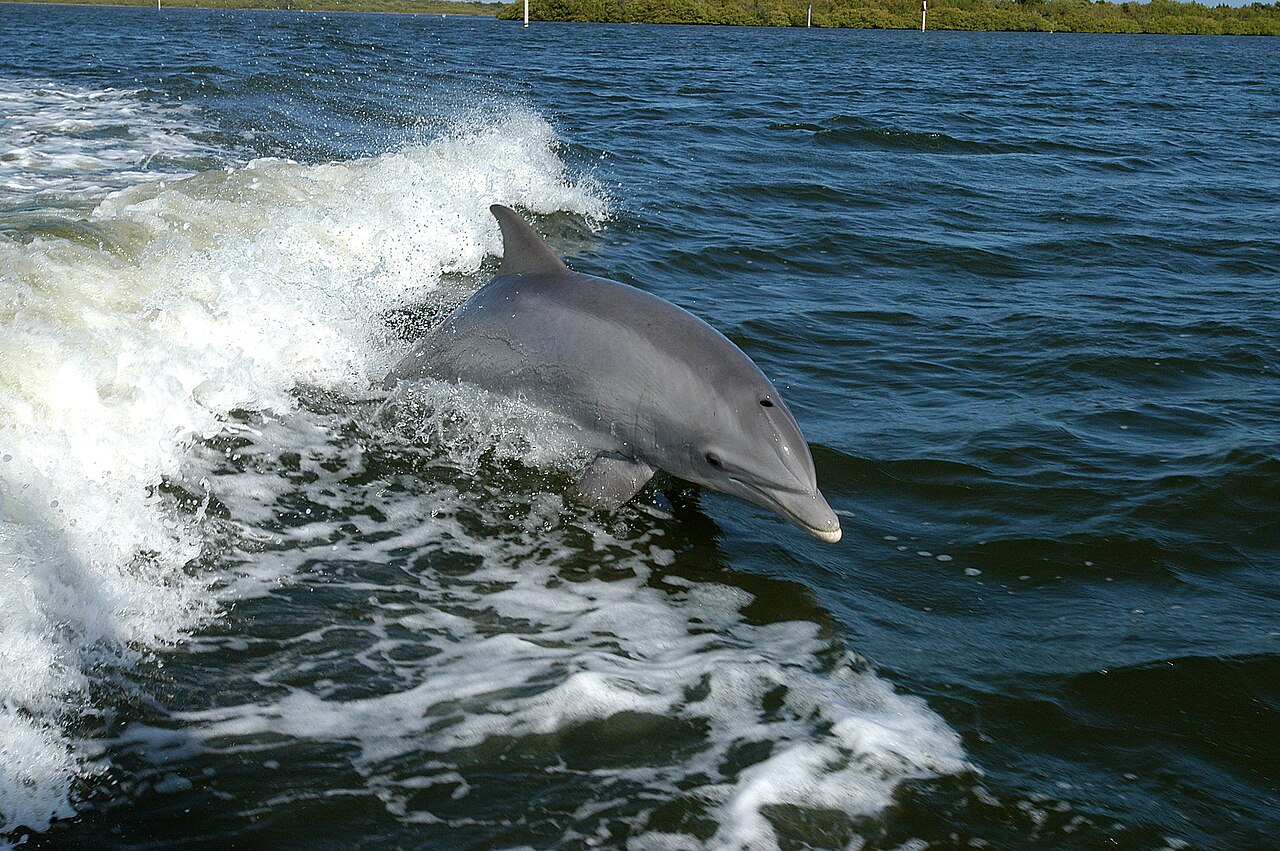




Characteristics and anatomy
Toothed whales typically have conical or peg-like teeth, although tooth number and form vary greatly between species. The skull is often asymmetrical, which is associated with specialised nasal air sacs and fatty structures used to generate sound for echolocation. Odontocetes have a single blowhole, streamlined bodies and powerful tails (flukes) for propulsion. Their sensory systems are adapted for an aquatic, predatory lifestyle and many species show strong brain development linked to social behaviour.
Echolocation and senses
Echolocation is a defining feature of most odontocetes: they produce high-frequency clicks and listen for returning echoes to locate, identify and track prey and obstacles. Sound production involves the nasal complex and specialised fatty tissues (the 'melon') that focus acoustic beams. Hearing is highly developed, particularly for frequencies used in echolocation, while vision and touch also contribute to prey detection and social interaction.
Diet, hunting and social behaviour
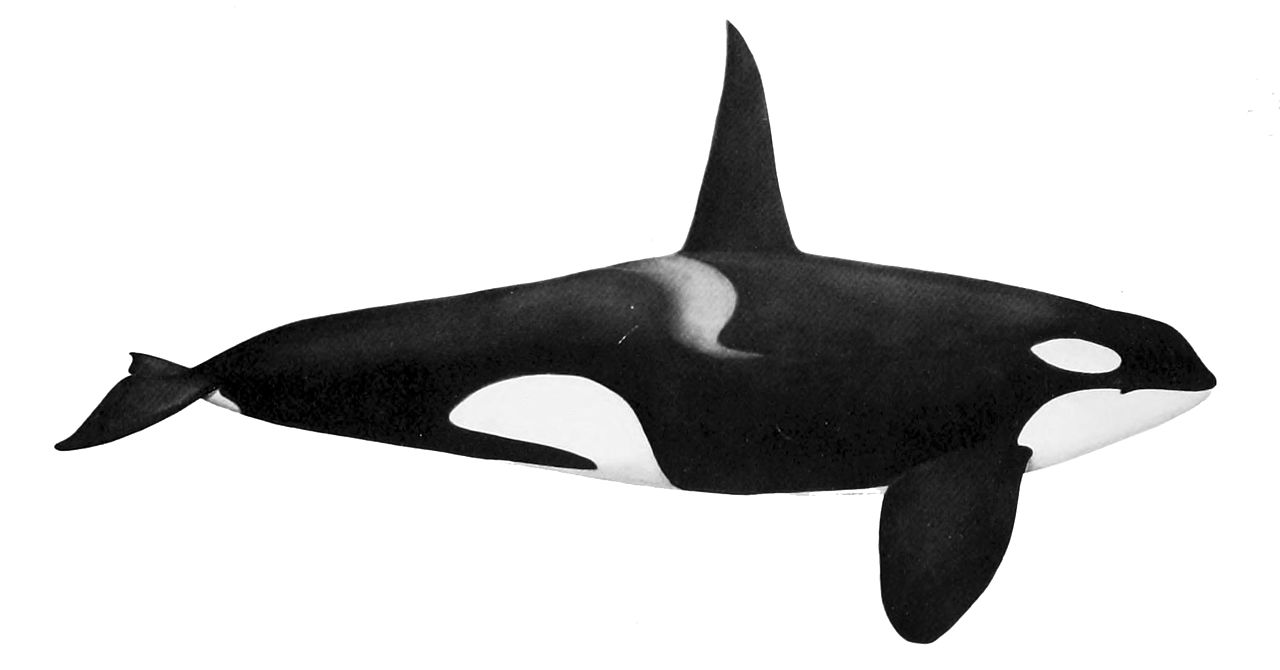
Odontocetes are active predators that feed on fish, squid and crustaceans; some species take larger vertebrate prey. The sperm whale is known for deep dives to feed on large squid (sperm whale and squid). Killer whales (orcas) display diverse diets and sophisticated cooperative hunting techniques, enabling them to take seals, large fish and occasionally baleen whale calves. Many dolphins hunt in groups, using coordinated strategies to herd or confuse prey. Feeding ecology varies with habitat, season and social structure.
Reproduction and life history
Reproduction in toothed whales involves internal fertilisation and live birth; gestation periods and lifespan differ by species. Females typically give birth to a single calf and provide extended maternal care, often within stable social groups. Growth and maturity rates vary: small species mature faster while larger species such as the sperm whale mature more slowly and may live for several decades.
Taxonomy and diversity
The suborder includes numerous families and genera adapted to coastal, pelagic and deep-sea environments. Taxonomic treatments differ, but there are roughly seventy to seventy-five recognised species, including dolphins, porpoises, beaked whales and the sperm whale. Evolutionary studies using fossils and genetics show multiple radiations into specialised niches.
Distribution and habitat
Odontocetes inhabit all oceans and many rivers, from polar to tropical waters. Some species are highly migratory and occupy vast oceanic ranges, while others are resident in coastal or estuarine habitats. Deep-diving species use mesopelagic and bathypelagic zones for foraging, whereas coastal species exploit nearshore productivity.
Conservation and human interactions
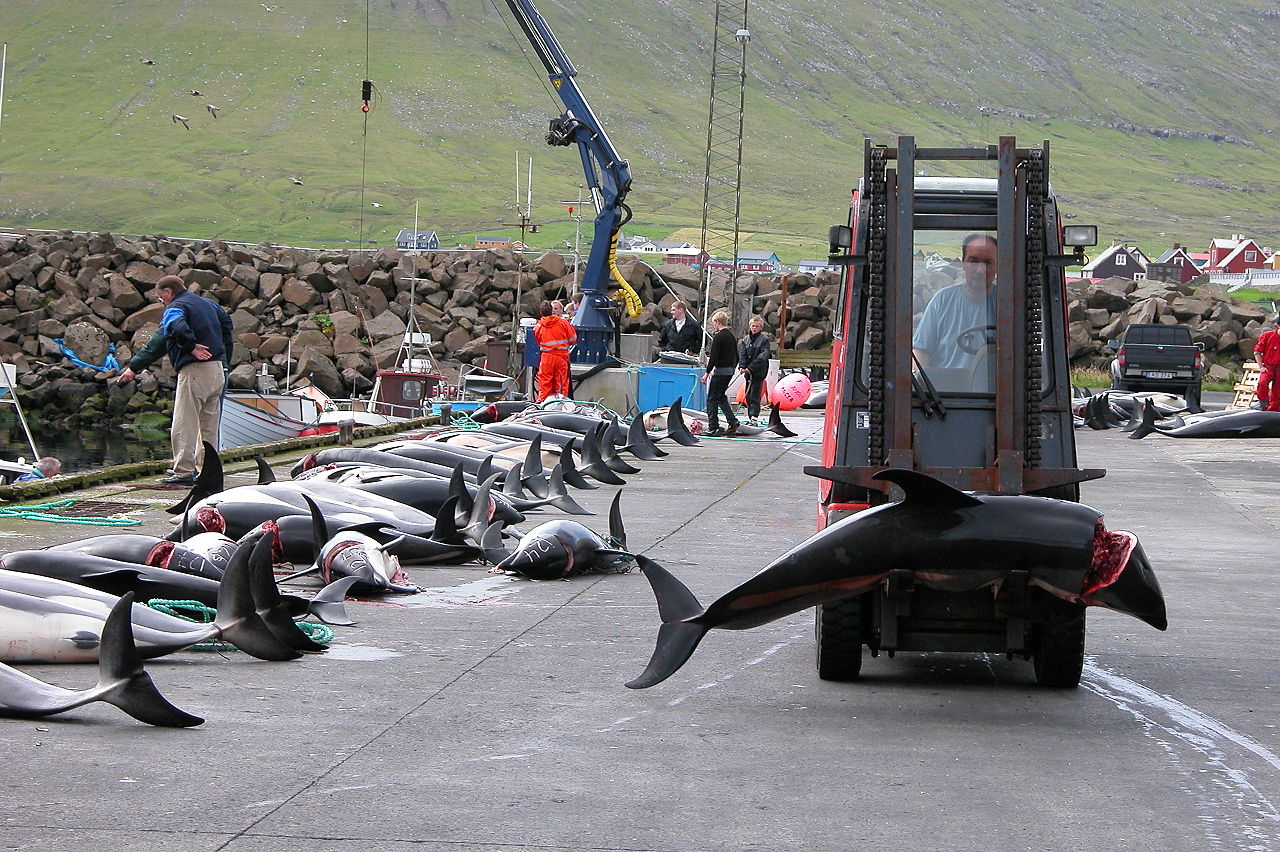
Many toothed whale populations face threats including bycatch in fisheries, entanglement, chemical pollution, marine noise from shipping and sonar, habitat loss and historical hunting. The reliance on sound makes odontocetes particularly vulnerable to acoustic disturbance. Conservation measures include protected areas, fishing regulations, noise mitigation, stranding response and international agreements. Public interest in dolphins and large species has spurred both tourism and scientific study, but also raises welfare and management issues.
Research and monitoring
Study methods include visual surveys, acoustic monitoring, satellite and archival tagging, photo-identification and genetic analysis. Long-term population studies and the increasing use of passive acoustic sensors have improved understanding of distribution, behaviour and the impacts of human activities. Collaboration between scientists, managers and local communities is important for effective conservation.
For broader context on feeding categories and cetacean classification see feeding and diet. Species-focused information can be found in dedicated accounts for the sperm whale, general resources on dolphins, and comparative material on baleen and toothed whales (baleen/odontocete comparison). Further ecological notes on deep-sea predation are available via general summaries of squid-predator interactions (giant squid prey).
Questions and answers
Q: What is the Odontoceti suborder?
A: The Odontoceti is a suborder of the cetaceans, the toothed whales.
Q: Which animals are included in the Odontoceti suborder?
A: The Odontoceti includes all the whales which eat prey larger than plankton, such as sperm whales, beaked whales, dolphins, and others.
Q: What is the main difference between the Odontoceti and Mysticeti suborders?
A: The Odontoceti has teeth rather than the baleen of Mysticeti whales.
Q: What is the prey range of the Odontoceti whales?
A: The Odontoceti whales are predators of small to large sized prey.
Q: Which Odontoceti whales can take large prey by means of co-operation?
A: The Killer Whale Orca and the Pilot Whale Globicephala can take large prey by means of co-operation, up to and including Blue Whale calves.
Q: What do Sperm Whales specialize in feeding on?
A: Sperm Whales are specialist feeders on giant squid.
Q: How many species are there in the Odontoceti suborder?
A: There are about 73 species in the Odontoceti suborder.
Related articles
Author
AlegsaOnline.com Odontoceti: the toothed whales — biology, behaviour, and diversity Leandro Alegsa
URL: https://en.alegsaonline.com/art/71979
Sources
- elsevier.com : Encyclopedia of Marine Mammals