
Carboniferous Period
Geological period (≈359–299 Ma) marked by vast coal-forming forests, high atmospheric oxygen, amphibian and insect diversification, and major stratigraphic subdivisions (Mississippian, Pennsylvanian).
Overview
The Carboniferous is a period of geologic time that lasted from about 359 million to about 299 million years ago. It followed the Devonian and preceded the Permian. It is conventionally placed as the fifth period of the Paleozoic era and falls within the Phanerozoic eon. The period is important for the large-scale burial of plant material that later became most of the world's coal deposits.
Image gallery
10 Images




Stratigraphy and subdivisions
Regional practice divides the Carboniferous differently. In North America it is split into the Mississippian (earlier; roughly 359–323.2 Ma) and the Pennsylvanian (later; roughly 323.2–299 Ma). In much of Europe and elsewhere geologists refer to lower, middle and upper Carboniferous intervals instead. The name "Carboniferous" reflects the period's association with coal-bearing formations, sometimes called coal measures.
Environment and climate
During the Carboniferous large parts of what are now Europe and North America lay near the equator and were dominated by warm, swampy lowlands. Extensive forests of lycopsids, horsetails and ferns built thick accumulations of organic matter in waterlogged soils. Meanwhile, the southern supercontinent Gondwana experienced glacial episodes, producing evidence of cooler climates in high latitudes. Atmospheric composition changed significantly during the period — carbon dioxide levels fell while oxygen rose — a combination that influenced ecosystems and the preservation of organic carbon.
Life and ecosystems
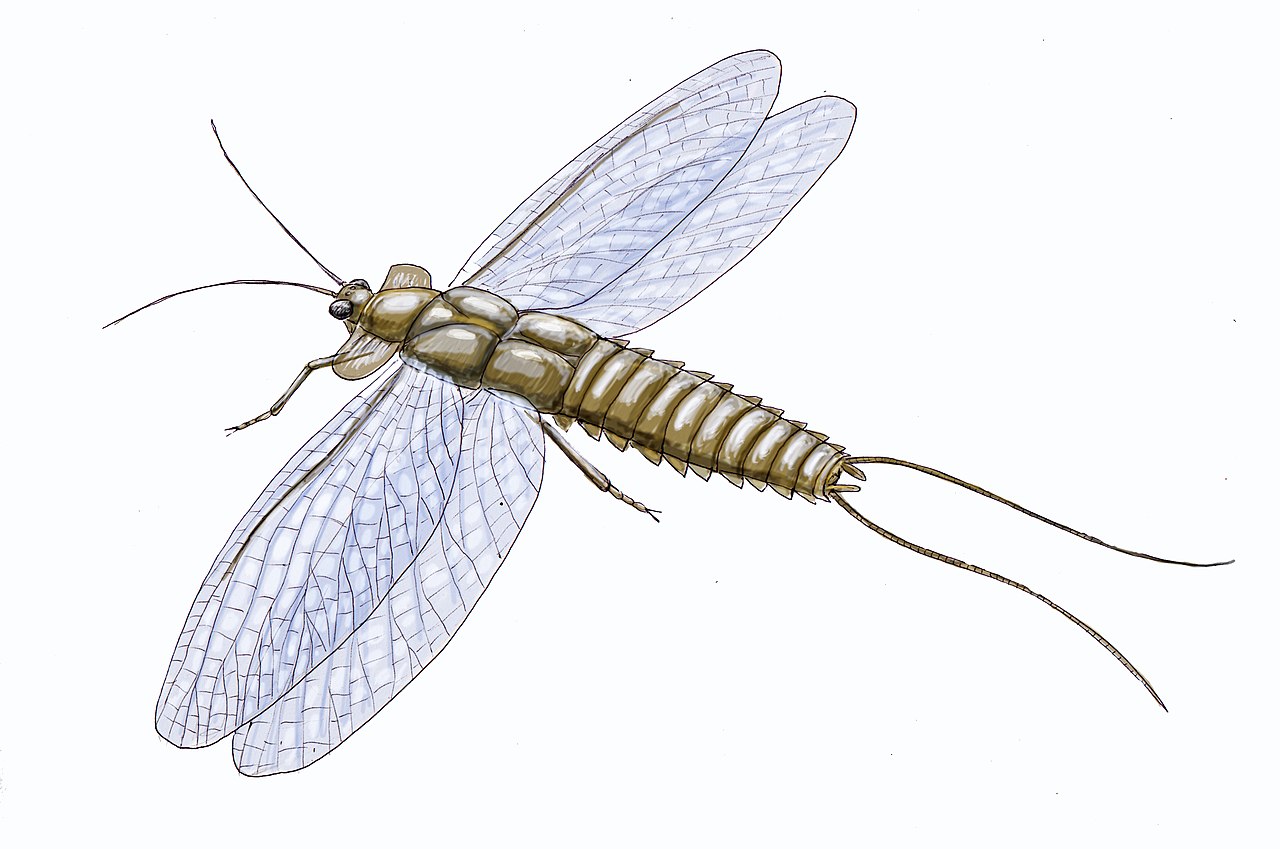
Terrestrial ecosystems expanded dramatically. Giant lycophyte trees such as Lepidodendron and widespread fern-like plants created dense forests. Amphibians diversified and the first amniotes (early reptiles) appeared, enabling vertebrates to reproduce away from water. Insects flourished and included very large forms; marine life remained rich with brachiopods, crinoids and diverse reef communities.
Importance and legacy
The Carboniferous left a lasting geological and economic legacy: coal beds formed from buried plant matter became a major energy resource and shaped later industrial societies. Its fossils help scientists reconstruct Paleozoic climates, continental arrangements, and the rise of terrestrial ecosystems. The American Pennsylvanian is a common term in stratigraphy and literature on the period's coal-bearing sequences (Pennsylvanian).
- Characteristic plants: lycopsids, horsetails, ferns
- Notable animals: early amniotes, diverse amphibians, large insects
- Key deposits: extensive coal measures across Europe and North America
Questions and answers
Q: What is the Carboniferous period?
A: The Carboniferous was a geological period that occurred after the Devonian and before the Permian, lasting from about 359 to about 299 million years ago.
Q: How many periods are in the Paleozoic era?
A: There are five periods in the Paleozoic era.
Q: What are the names of the two parts of the Carboniferous in the U.S.A?
A: The two parts of the Carboniferous in the U.S.A are the Mississippian (lower part, 359–323.2 mya) and the Pennsylvanian (upper part, 323.2–299 mya).
Q: How is the Carboniferous period divided in Europe?
A: In Europe the Carboniferous period is divided into lower, middle, and upper.
Q: What was the period of time in which the Carboniferous lasted?
A: The Carboniferous lasted from about 359 to about 299 million years ago.
Q: In which eon did the Carboniferous period occur?
A: The Carboniferous period occurred in the Phanerozoic eon.
Q: What is the geological period that came before the Carboniferous period?
A: The Devonian period was the geological period that came before the Carboniferous period.
Related articles
Author
AlegsaOnline.com Carboniferous Period Leandro Alegsa
URL: https://en.alegsaonline.com/art/16899