
Ocean sunfish (Mola mola): description, behavior, and ecological role
The ocean sunfish (Mola mola) is a distinctive, very large bony fish of warm and temperate seas. This article summarizes its appearance, diet, behavior, reproduction, threats, and interactions with people.
The ocean sunfish, commonly known as the mola, is a highly distinctive marine fish in the family Molidae. It is widely recognized for its unusual body plan: a very tall, laterally flattened, almost circular profile that can appear as a large head with a truncated tail. The species occurs across tropical and temperate oceans worldwide and is often seen near the surface where it basks or drifts.
Image gallery
7 Images


Physical characteristics and movement
Sunfish are among the heaviest bony fishes and grow to very large sizes. Their bodies are compact and deep, with rough, often scarred skin that commonly carries external parasites. They lack a conventional forked caudal fin; instead they have a broad, rudder-like structure called a clavus formed from fused fin rays. Locomotion relies mainly on the synchronous flapping of the dorsal and anal fins, with the pectoral fins used for steering. Despite an ungainly silhouette, sunfish are capable of short bursts of speed and sustained cross-ocean movements.
Distribution and habitat
Ocean sunfish inhabit temperate and tropical surface waters and may move into cooler, deeper water when foraging. They are pelagic but may come close to shorelines, bays, and cleaning stations where other animals remove parasites. Seasonal and regional movements have been recorded in many parts of the globe, reflecting food availability and temperature preferences.
Diet and feeding
Sunfish are opportunistic feeders with a broad diet that includes both gelatinous and hard-bodied prey. Recorded items include:
- crustaceans
- echinoderms such as starfish
- jellyfish and other gelatinous zooplankton
- sponges
- mollusks
- algae and other plant material
- various planktonic organisms
- small cephalopods such as squid
The mola swallows prey whole through a relatively small mouth and often consumes large volumes of low-nutrient items, especially gelatinous animals. This feeding style influences their movements and habitat use.
Behavior, reproduction, and life cycle
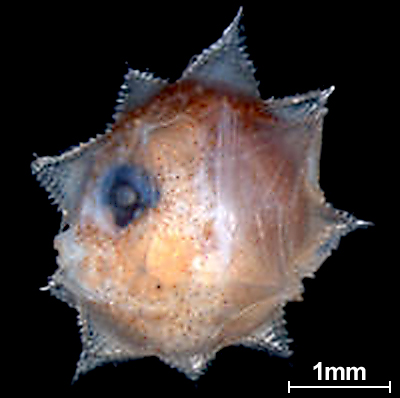
Sunfish frequently bask on their sides at the surface. This behavior may help with thermoregulation after dives into colder water and facilitates the removal of external parasites by seabirds and cleaner fish. They are highly fecund: females release very large numbers of tiny eggs and larvae, and juveniles differ markedly in shape and habitat from adults. Growth and development involve substantial changes in morphology as individuals mature.
Ecological role and threats
As large pelagic consumers, ocean sunfish connect planktonic and higher trophic levels. They serve as both predators and prey — targeted sometimes by large sharks and killer whales, and their carcasses provide food for scavengers. Sunfish face multiple human-related threats, including bycatch in commercial fisheries, entanglement in marine debris, collisions with vessels, and ingestion of plastics mistaken for jellyfish. Conservation concern exists in many regions, and mitigation of bycatch and marine pollution is a key priority.
Relationship with people and research
Sunfish attract public interest because of their unusual appearance and size and are sometimes displayed in public aquaria, though they can be difficult to maintain in captivity. They also feature in ecotourism and marine education. Scientific study of molas continues to improve understanding of their movements, population structure, and ecology using tagging, observation, and genetic methods. For authoritative identification and further reading consult marine field guides and dedicated research summaries available through specialist sources.
Note: This entry summarizes broadly known information about the ocean sunfish. For region-specific guidance, conservation status updates, or detailed management recommendations consult local authorities and current scientific literature.
Related articles
Author
AlegsaOnline.com Ocean sunfish (Mola mola): description, behavior, and ecological role Leandro Alegsa
URL: https://en.alegsaonline.com/art/71845