
Ocelot (Leopardus pardalis): description, range, behavior and conservation
Neotropical wild cat known for its distinctive spotted coat, nocturnal habits and wide range from South America into parts of Central and North America. Covers appearance, ecology, and conservation.
The ocelot (Leopardus pardalis) is a medium-sized New World wild cat noted for its richly patterned coat of spots, streaks and rosettes. It belongs to the small cat genus Leopardus and is one of the better-known species in that group. Larger than many members of its genus, the ocelot has a long body, relatively short legs and a tail that aids balance when climbing. Its striking fur made it a target for hunting in the past, but modern protections have reduced commercial exploitation.
Image gallery
10 Images


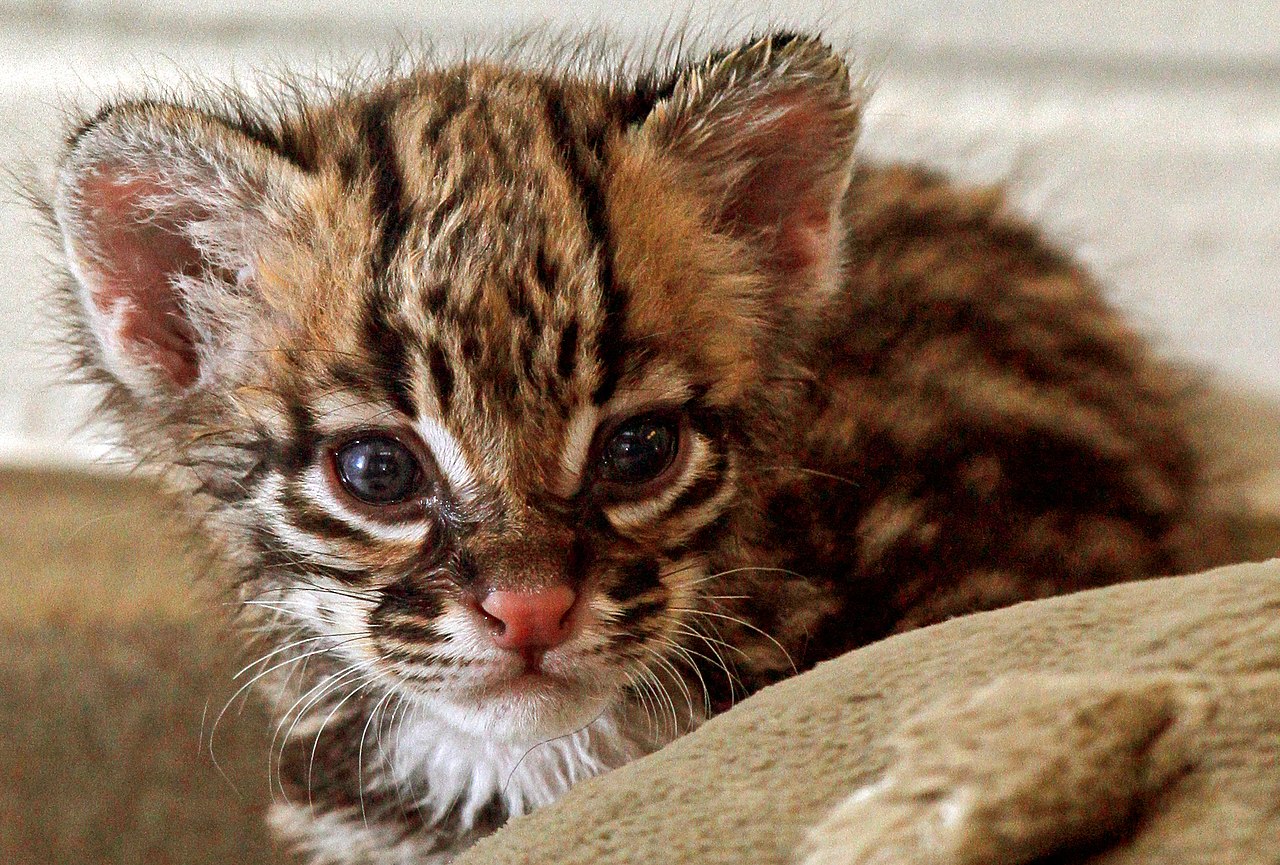

Characteristics and appearance
Coat colour varies from tawny and cream to reddish or grayish tones, overlaid with irregular dark markings. Facial markings and ear patterns are distinctive and help identify individuals. Adult ocelots typically range in body length and tail length consistent with medium-sized felids, and weigh noticeably more than smaller leopardus species; these dimensions make the species the largest of the generally dainty Leopardus genus. Their eyes are adapted for low-light vision and their paws and claws are suited to both climbing and grasping prey. For comparative anatomy and pelage descriptions consult regional morphological guides (morphology overview).
Distribution and habitat
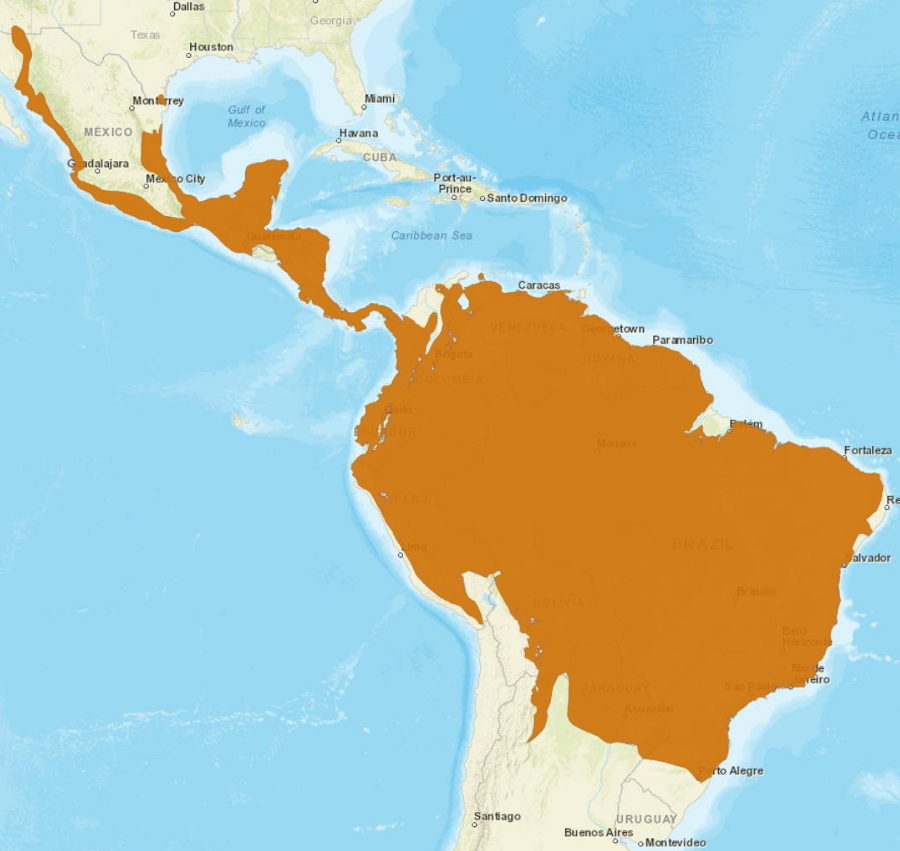
Ocelots inhabit much of Central and South America and reach into parts of Mexico and, occasionally, the southern United States. They occupy a wide range of habitats including tropical rainforest, dry forest, mangroves, scrub, savanna edges and secondary growth. Island populations have been recorded, for example on Trinidad. Local distribution and recent range assessments are available through regional surveys and species accounts (range summary, distribution notes).
Diet and hunting
Primarily nocturnal predators, ocelots take a variety of vertebrate prey such as rodents, small marsupials, lagomorphs, birds, reptiles and fish. They use stalking and ambush techniques, hunting from cover and sometimes from low branches. Seasonal and regional differences affect prey choice, and studies of diet composition are summarized in faunal and ecological reports (diet studies, prey records).
Behavior and reproduction
Ocelots are largely solitary and territorial. Males and females establish and defend home ranges; males often have larger territories that may overlap those of several females. Territorial behaviour includes scent marking and vocalizations. Like many felids, ocelot males and females scent-mark with urine and glandular secretions as part of territory maintenance (behavioural research). Females raise kittens alone. Young develop slowly compared with some small mammals: kittens remain with their mother for months, learning hunting and survival skills before dispersal or independence. Detailed life-history and reproductive data are presented in field-monograph and ethology sources (reproduction reports).
Conservation and threats
Historically hunted for its fur, the ocelot was heavily trapped during the 19th and 20th centuries. International trade restrictions and national protections have reduced large-scale commercial exploitation; currently, the species is generally assessed at lower global risk levels, though local populations can still be vulnerable. Major threats today include habitat loss and fragmentation, road mortality, retaliatory killing where livestock depredation is suspected, and continued illegal trade in parts of its range. Conservation actions include protected areas, habitat corridors, mitigation of road impacts and community outreach programs. For policy, recovery planning and legal frameworks see conservation resources and action plans (conservation resources, legal frameworks, management plans).
Research, monitoring and human interactions
Modern research on ocelots uses camera traps, genetic sampling, radio-telemetry and landscape analyses to estimate abundance, study movement and assess genetic diversity. These methods inform corridor design, conflict reduction strategies and population monitoring (research methods, monitoring projects). Human attitudes toward ocelots vary regionally; education and coexistence measures are important where human activities disturb habitat or increase roadkill risks. Collaborative projects that involve local communities often yield better conservation outcomes (community programs).
- Taxonomic note: the ocelot is one of several small spotted felids in the Americas and is frequently compared with related species in genus Leopardus.
- Range highlights: populations occur from South America into Central America and Mexico, with occasional records farther north and on Caribbean islands (range data).
- Conservation: while not among the most threatened felids globally, ocelot persistence depends on habitat connectivity, law enforcement and reduced human-wildlife conflict (conservation summaries).
Overall, the ocelot remains an adaptable and ecologically important mid-sized predator of Neotropical ecosystems. Continued monitoring, protection of habitat and informed management are central to maintaining viable populations across its wide but fragmented range.
Questions and answers
Q: What is an ocelot?
A: The ocelot is a small mammal that belongs to the Leopardus genus, and is one of nine species in this group.
Q: Where does the ocelot live?
A: The ocelot is distributed across South and Central America, as far north as Mexico, and has been spotted in Trinidad and Texas.
Q: What does the ocelot eat?
A: Ocelots feed on small mammals, birds, fish, and snakes, and are known for their ability to swim well.
Q: Why was the ocelot hunted in the past?
A: The ocelot was hunted in the past for its beautiful fur.
Q: Is the ocelot protected now?
A: Yes, the ocelot is now protected and is listed as 'least concern' by the IUCN Red List.
Q: What is ocelot's habitat preference?
A: The ocelot favors forested areas with dense vegetation, but also has been seen in other habitats.
Q: How big can an ocelot grow?
A: The ocelot can grow up to 68 to 100 centimeters in length, with a weight of 8 to 18 kilograms. Larger ones have been reported, but they are generally the largest of the wild cat genus Leopardus.
Related articles
Author
AlegsaOnline.com Ocelot (Leopardus pardalis): description, range, behavior and conservation Leandro Alegsa
URL: https://en.alegsaonline.com/art/71862
Sources
- nysm.nysed.gov : "Competitive release in diets of ocelot (Leopardus pardalis) and puma (Puma concolor) after jaguar (Panthera onca) decline"
- doi.org : 10.1644/05-MAMM-A-360R2.1
- wikidata.org : Q33261
- species.wikimedia.org : Leopardus pardalis
- animaldiversity.org : Leopardus_pardalis · web.archive.org
- eol.org : 313991
- gd.eppo.int : LEOPPA
- fossilworks.org : 47513
- gbif.org : 2434982
- inaturalist.org : 41997
- irmng.org : 10212871
- itis.gov : 552470
- apiv3.iucnredlist.org : 11509
- departments.bucknell.edu : 14000103