
Oceanic dolphins (family Delphinidae)
Oceanic dolphins are toothed whales of the family Delphinidae. Widely distributed in seas worldwide, they are social, intelligent marine mammals with diverse species, behaviors, and conservation concerns.
Overview
Oceanic dolphins belong to the family Delphinidae within the toothed whales and are members of the larger order Cetacea. They are fully aquatic mammals and part of the suborder Odontoceti, meaning they possess teeth rather than baleen. The family contains more than 30 living species that vary widely in size, form and ecology, from small schooling dolphins to large, whale‑like members often called "whales" in their common names.
Image gallery
10 Images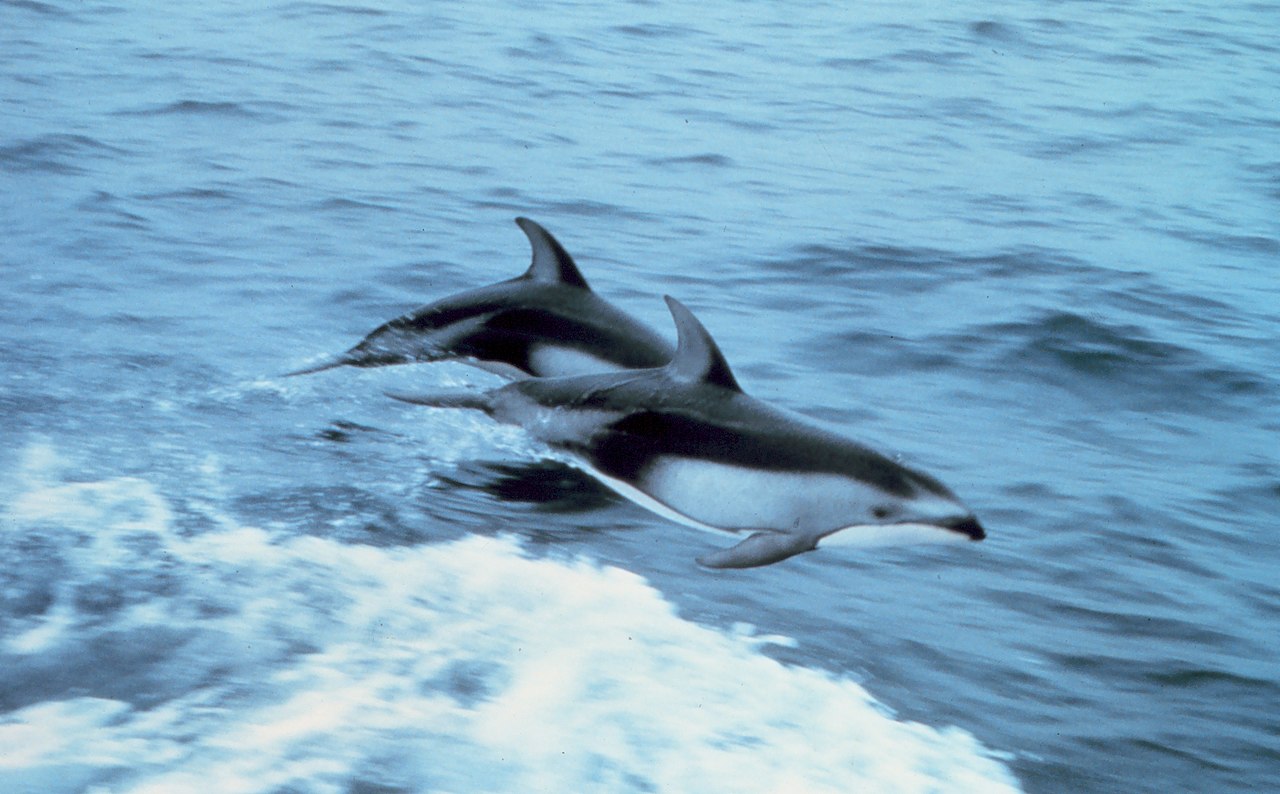





Characteristics
Members of Delphinidae typically have streamlined bodies, pronounced beaks in many species, a dorsal fin, and a fluke for propulsion. They use echolocation—clicks and returning echoes—to navigate and find prey in dim or murky waters. Dolphins are carnivorous, feeding mainly on fish, squid and sometimes other marine mammals; some species such as orcas (commonly called killer whales) are apex predators with complex hunting strategies.
Behavior and social structure
Oceanic dolphins are known for complex social behavior. Many species form stable groups called pods that can cooperate during hunting, care for young and engage in social play. They communicate with a range of whistles, clicks and body language. Certain populations show culturally transmitted behaviors and tool use—for example some bottlenose dolphins use marine sponges to probe the seafloor for food.
Distribution and habitat
These dolphins occur worldwide, most commonly in coastal and offshore waters above continental shelves but also in pelagic open water. While many species prefer temperate and tropical seas, others inhabit cooler regions. Oceanic dolphins generally live in saltwater and open ocean environments, in contrast with river dolphins found in freshwater systems. They are true aquatic mammals that have adapted to life at sea and often travel long distances.
Examples and notable species
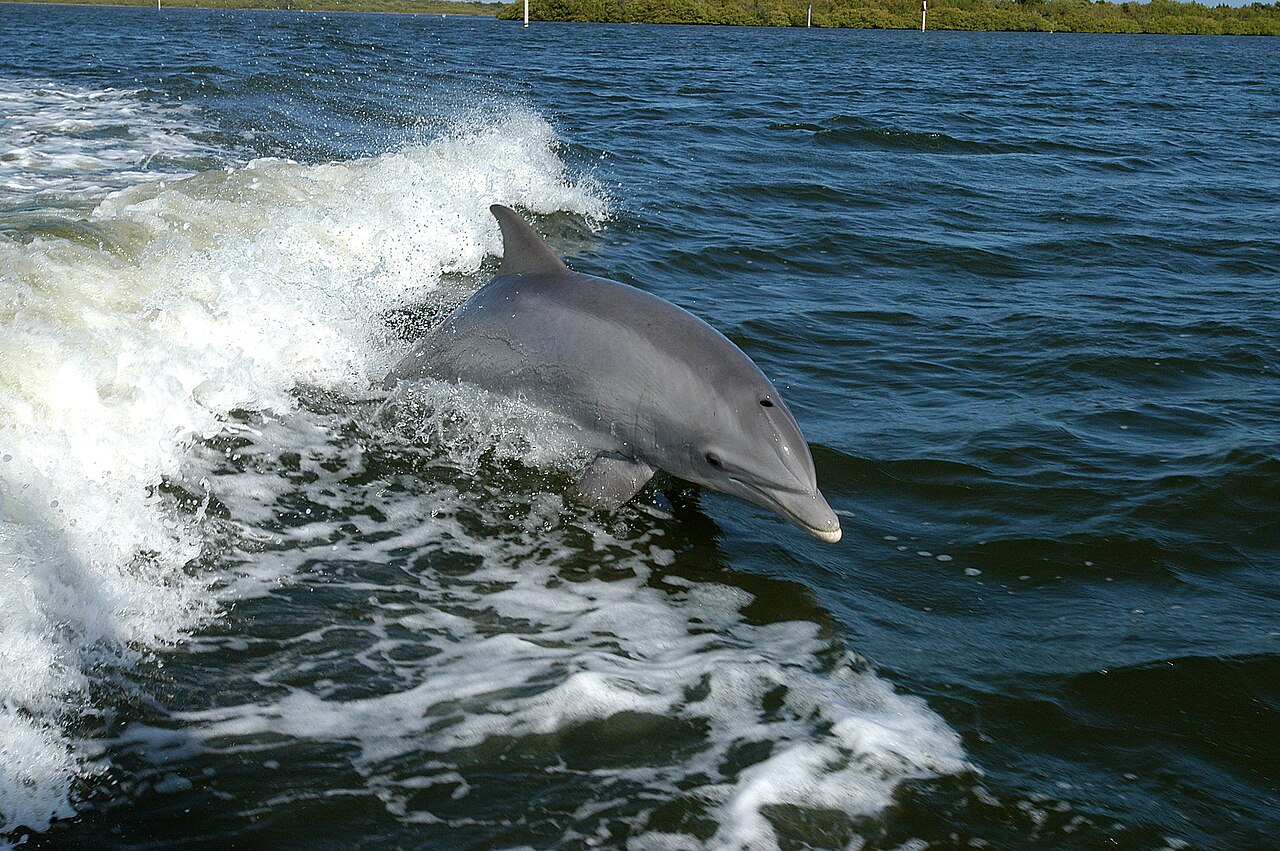
- Bottlenose dolphins (Tursiops spp.) — widely studied and familiar in coastal habitats.
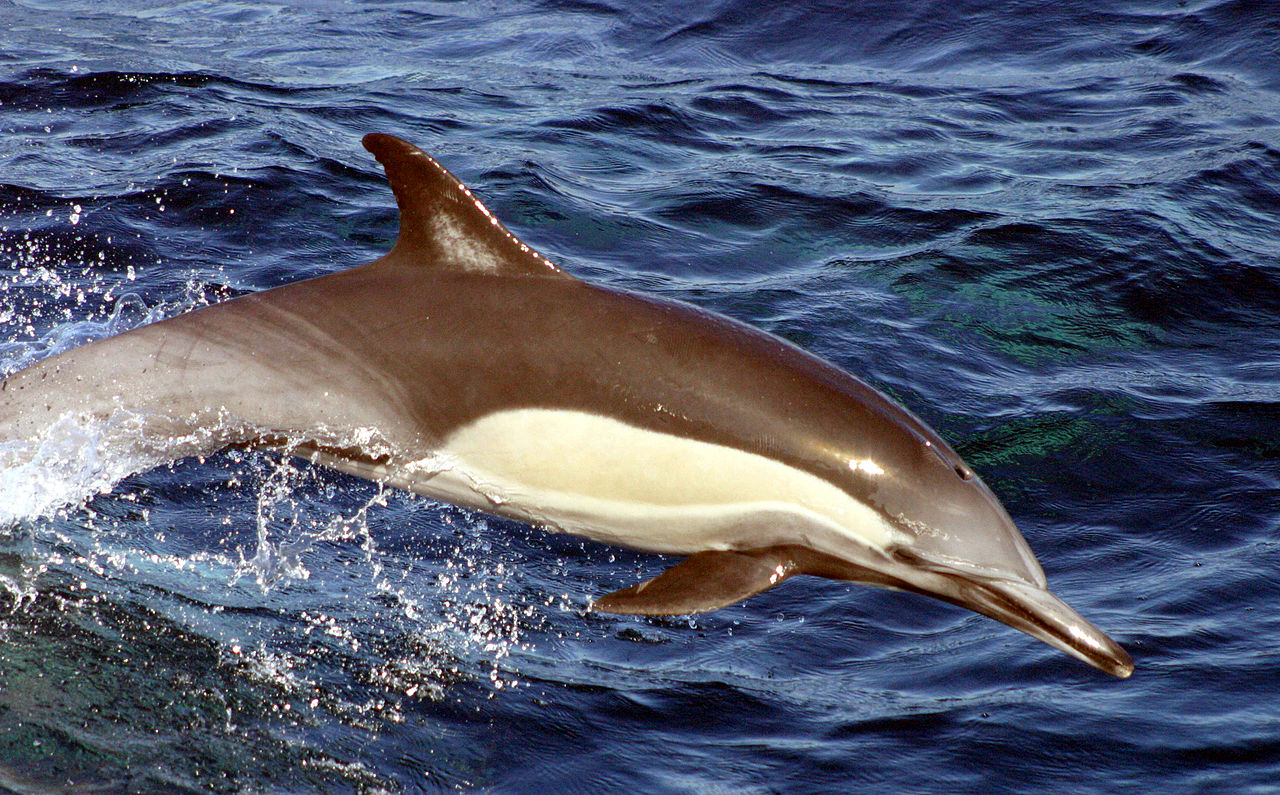
- Common dolphins (Delphinus spp.) — often form large, fast‑moving schools.
- Spinner and spotted dolphins — known for aerial displays and agility.
- Orcas (Orcinus orca) — the largest delphinid, a highly social and versatile predator.
Human interactions and conservation
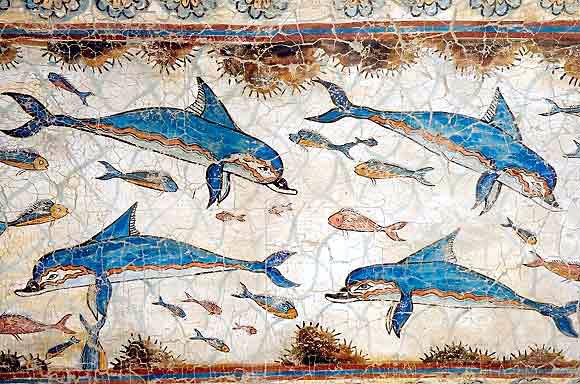
Oceanic dolphins have long been featured in human culture, from ancient myths to modern ecotourism, and they are frequent subjects of scientific research because of their intelligence. At the same time they face threats including bycatch in fisheries, habitat degradation, pollution, noise disturbance and climate change. Conservation status varies: some populations are abundant while others are endangered or declining. Management measures include protected areas, fisheries regulations and international agreements, and public debate continues over captivity and marine parks. For further general context about their marine habitats and study, see resources on the open seas.
Distinctive facts
- Despite the name, not all animals called "dolphin" are similar in size; some delphinids are commonly called whales.
- Delphinidae are part of the toothed whales, distinguishing them from baleen whales.
- Social learning and regional differences in behavior are well documented in several species, indicating cultural complexity.
Questions and answers
Q: What are oceanic dolphins?
A: Oceanic dolphins are aquatic mammals that belong to the Delphinidae family of the order Cetacea.
Q: Where are oceanic dolphins mostly found?
A: Oceanic dolphins are mostly found in the shallower seas of the continental shelves worldwide.
Q: Do oceanic dolphins live in rivers?
A: No, unlike river dolphins, oceanic dolphins usually live in the open seas.
Q: Are dolphins considered fish or mammals?
A: Dolphins are considered mammals, not fish.
Q: What is the difference between oceanic dolphins and river dolphins?
A: Oceanic dolphins live in the open seas while river dolphins live in rivers.
Q: Do oceanic dolphins have any predators?
A: Yes, some predators of oceanic dolphins include sharks and killer whales.
Q: How do oceanic dolphins breathe?
A: Oceanic dolphins breathe air through a blowhole located on the top of their head.
Related articles
Author
AlegsaOnline.com Oceanic dolphins (family Delphinidae) Leandro Alegsa
URL: https://en.alegsaonline.com/art/71853