
Ocicat: domestic cat breed with wild-looking spotted coat
The Ocicat is a domestic cat bred to look like a wild feline without any wild ancestry. Recognized for its spotted coat, outgoing and trainable nature, it developed from Siamese, Abyssinian and American Shorthair lines.
Overview
The Ocicat is a domestic cat breed created to resemble a small wild cat while remaining entirely domestic in origin. Its distinctive spotted coat evokes wild felines such as the ocelot, which inspired the breed name. For a concise profile and general breed information see breed information, and for comparisons to wild cats see ocelot resemblance.
Image gallery
8 Images




Appearance and genetics
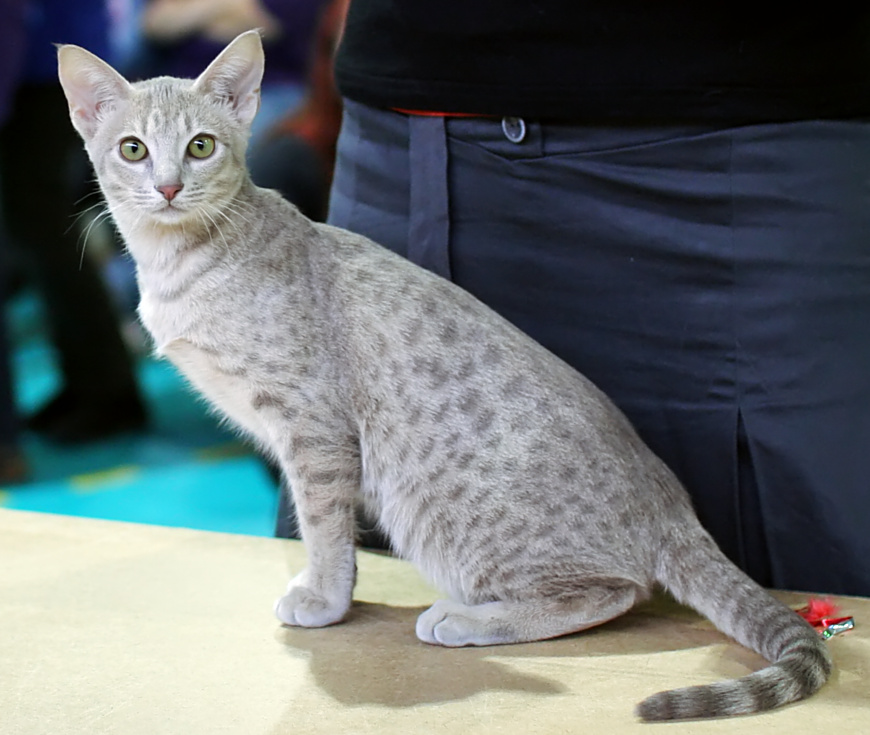
Ocicats typically have a muscular, athletic build, a short glossy coat and clearly defined spots or open rosettes on a warm background. Colors include warm browns and tans, chocolate and cinnamon tones, dilute variants and silvered versions. The spotted appearance is produced by domestic cat pattern genetics rather than any hybridization with wild species; breeders and genetic sources note that the breed’s gene pool contains no wild DNA, see genetics and gene pool discussions.
Origins and development
The breed originated through deliberate selective breeding in the mid-20th century when breeders crossed Siamese and Abyssinian lines to select for spotted patterning. Subsequent introduction of American Shorthair blood helped consolidate the tabby pattern, strengthen bone structure and introduce silver varieties; background on the American Shorthair influence and silver tabby traits is available at American Shorthair influence and silver tabby.
Temperament
Ocicats are widely regarded as outgoing, affectionate and intelligent. They often display active, playful behavior and can learn tricks or enjoy interactive play, showing a doglike responsiveness to training and social interaction. With consistent socialization they adapt well to families, other pets and children.
Care and health
Grooming needs are modest because of the short coat; regular brushing helps remove loose hair and maintain shine. Ocicats benefit from daily play and mental stimulation to satisfy their energetic temperament. As with any breed, routine veterinary care, vaccination and parasite prevention are important. Breeders and owners should follow recommended health screening practices for hereditary conditions common to domestic cats.
Recognition and breeding
- Major cat registries and breed clubs recognize the Ocicat and publish breed standards for pattern, color and type.
- Responsible breeding focuses on health, temperament and clear spotting rather than producing extreme features.
- Prospective owners should consult reputable breeders or rescue groups and review health and lineage documentation.
The Ocicat remains popular among people who want a striking, spotted companion without wild ancestry: an active, trainable domestic cat distinguished by its dramatic, wild-appearing coat and sociable nature.
Questions and answers
Q: What is the Ocicat?
A: The Ocicat is a breed of cat.
Q: Does the Ocicat have wild DNA in its gene pool?
A: No, the Ocicat looks like a wild cat but has no wild DNA in its gene pool.
Q: What is the behavior of the Ocicat?
A: The Ocicat is spotted like a wild cat but is tame and has the behavior of a domestic animal.
Q: How did the Ocicat get its name?
A: The Ocicat got its name because it looks like an ocelot.
Q: How did the Ocicat breed start?
A: The breed started accidentally by mating Siameses and Abyssinians.
Q: What other type of cat was added to the mix to create the Ocicat breed?
A: American Shorthairs (silver tabby cats) were added to the mix to give the breed their silver color, bone structure and patterns.
Q: Is the Ocicat a popular breed all over the world?
A: Yes, the Ocicat is a popular breed all over the world.
Related articles
Author
AlegsaOnline.com Ocicat: domestic cat breed with wild-looking spotted coat Leandro Alegsa
URL: https://en.alegsaonline.com/art/71871
Sources
- ocicats.org : "Ocicat Standard of Points"
- ocicatinfo.com : "Ocicat Colors"
- acfacat.com : "American Cat Fanciers Association"
- worldcat.org : 47037281