
Halifax Explosion (1917): causes, impact, and legacy
A catastrophic accidental explosion in Halifax Harbour on December 6, 1917, when the munitions ship SS Mont-Blanc collided with SS Imo. Massive loss of life, widespread destruction, rescue and lasting memorials.
Overview
The Halifax Explosion occurred on December 6, 1917, in the harbour of Halifax, Nova Scotia, when two ships collided: the French cargo vessel SS Mont-Blanc, carrying a large load of wartime explosives, and the Norwegian vessel SS Imo. The resulting detonation destroyed a considerable portion of the north end of the city, produced a powerful shock wave and fireball, and remains the largest accidental human-made explosion in recorded history. The blast caused enormous loss of life and left thousands injured and homeless.

Image gallery
10 Images


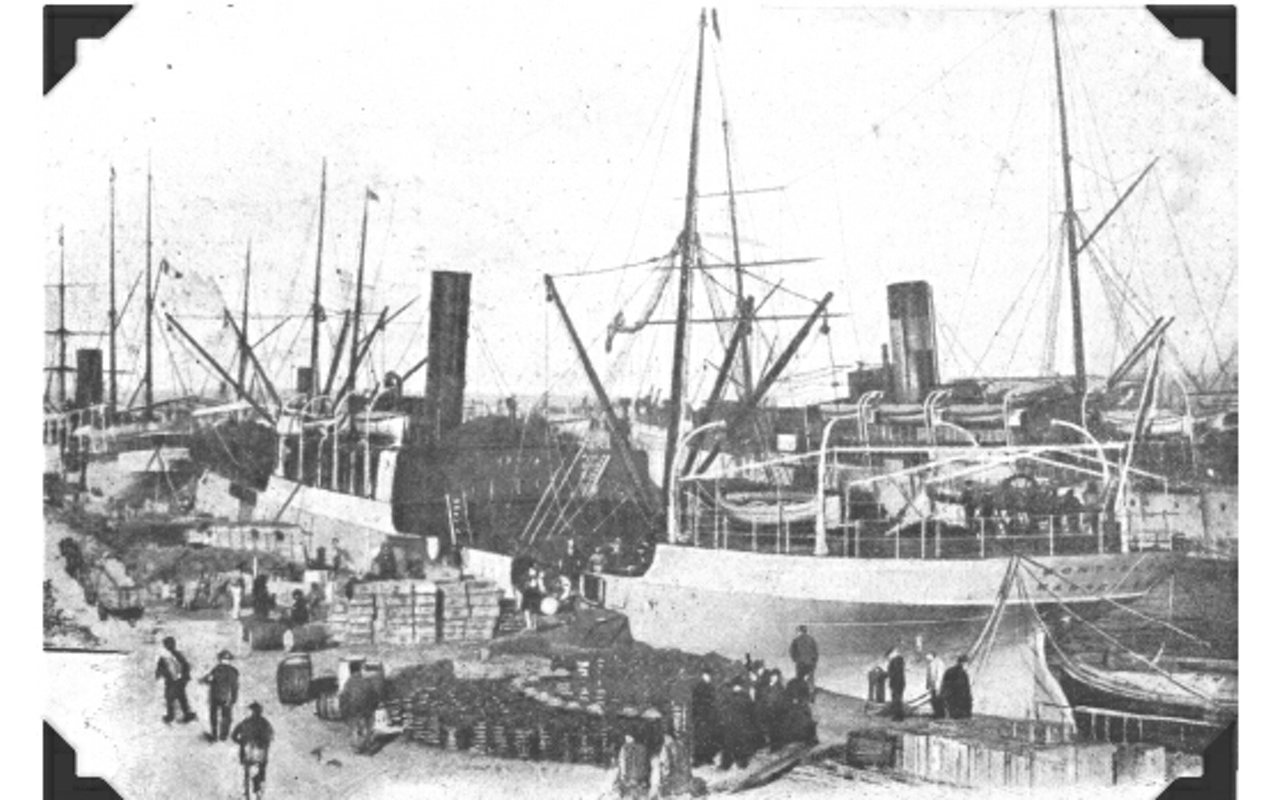


Collision and cargo
The collision happened as both vessels were navigating the busy approaches to Halifax Harbour. SS Mont-Blanc was laden with benzol, picric acid, TNT and other munitions destined for the European war effort. Details about the ship's manifest and loading practices have been preserved in contemporary records; further information can be found in archival summaries such as the Mont-Blanc cargo list. The SS Imo's movements and crew actions are discussed in seafaring reports and contemporaneous accounts; see details on Imo for background.

The explosion and immediate effects
When Mont-Blanc caught fire after the collision, the blaze reached the munitions and triggered a massive detonation. The blast produced extreme overpressure, shattered windows for miles, generated a tsunami in parts of the harbour, and sent debris across the neighbourhood. Many buildings were levelled or seriously damaged. Eyewitnesses reported a great flash, a thunderous roar, and a mushroom-like cloud. The event was audible at very long distances and caused secondary fires throughout the devastated area.
Casualties, damage, and response
Contemporary counts list approximately 1,782 people killed and over 9,000 wounded; many more were left homeless and traumatised. Hospitals, emergency responders and relief agencies worked amid chaos to treat the injured and recover survivors. The disaster prompted immediate local rescue efforts and international assistance, notably from Boston and other communities; see accounts of aid under relief efforts. The scale of destruction overwhelmed municipal services and required coordinated long-term reconstruction.

Inquiry, reconstruction, and legacy
Investigations and official inquiries sought to assign responsibility and to recommend safety changes for wartime shipping and harbour traffic; archival findings are summarized in several reports, including the official inquiry. The catastrophe influenced later regulations on transporting hazardous materials and harbour management. Over time, survivors and descendants created memorials, restored neighborhoods, and preserved records in museums and archives; see a selection of primary sources at archival records. The Halifax Explosion remains a major event in Canadian history, studied for its human, technical and policy lessons.
Notable facts
- The blast was the largest accidental explosion known until the development of nuclear weapons.
- It produced both an intense firestorm and a shock wave that caused widespread structural collapse.
- The disaster led to improvements in emergency planning, medical response and hazardous cargo regulation.
Related articles
Author
AlegsaOnline.com Halifax Explosion (1917): causes, impact, and legacy Leandro Alegsa
URL: https://en.alegsaonline.com/art/41889
Sources
- cbc.ca : "The Explosion"