
Nuristan Province
Nuristan Province is a remote, mountainous region in eastern Afghanistan, noted for its Nuristani languages, steep Hindu Kush valleys, distinct cultural history and largely rural economy.
Overview
Nuristan Province occupies a series of high, forested valleys on the southern slopes of the Hindu Kush in eastern Afghanistan. The provincial capital is Parun. The name appears in Persian as نورستان. The region is distinguished by difficult mountain terrain, limited road access and a small, dispersed population concentrated in valley communities.
Image gallery
10 Images



Geography and environment
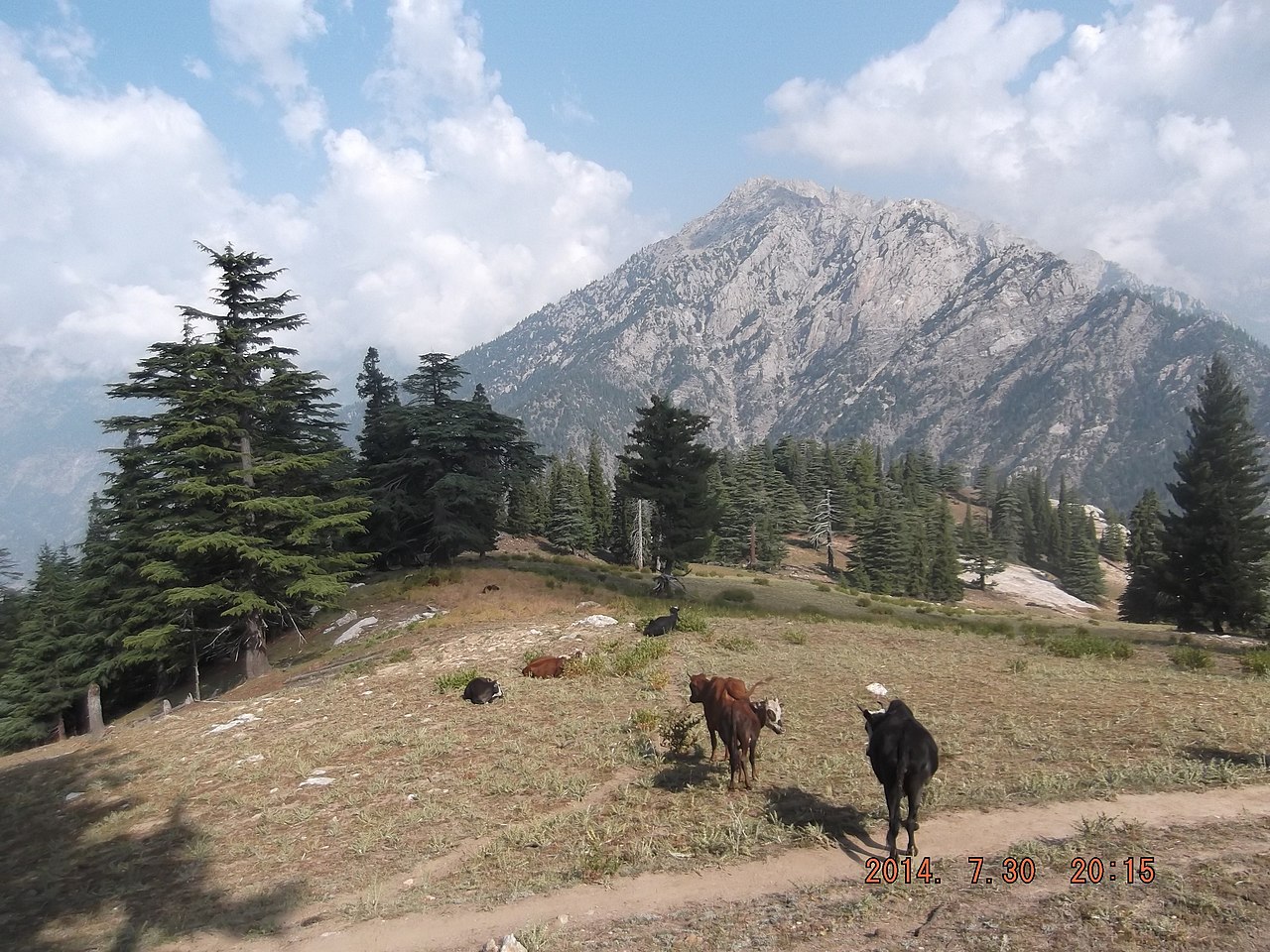
Steep ridges, narrow river gorges and alpine meadows dominate the landscape. Many settlements sit at the confluence of mountain streams and are reachable only by narrow tracks or seasonal roads. The province forms part of the southern Hindu Kush system and influences local watersheds and microclimates that support subsistence farming, orchard cultivation and pastoralism.
History and identity
Nuristan has a distinctive cultural history: until the late 19th century the area was known by different names and followed indigenous belief systems before conversion to Islam. Its peoples speak the Nuristani languages, a small branch of the Indo-Iranian family, which are different from neighboring Pashto and Dari. The modern administrative province developed in recent decades as national boundaries and districts were reorganized.
People, languages and society
The majority of inhabitants are Nuristanis, with small numbers of Pashtun and other groups. Ethnolinguistic identity is strong, and local customs, music and carved wooden architecture remain important. Social life centers on village networks, seasonal agriculture and livestock. For a general reference to the country, see Afghanistan.
Economy, services and challenges
Economic activity is largely subsistence-based: small-scale farming, fruit cultivation, beekeeping and animal husbandry. Infrastructure and public services are limited by remoteness and terrain. Development challenges include seasonal isolation, the cost of building roads and maintaining health and education services, and the effects of broader regional instability.
Notable features and distinctions
- Unique languages: the Nuristani branch of Indo-Iranian languages.
- Distinct cultural heritage arising from late historic conversions and local traditions.
- Ecologically important mountain habitats and water sources tied to the Hindu Kush.
- Demographic composition is predominantly Nuristani, with minority groups noted in some districts; see demographic summaries such as ethnic composition reports.
Because of its rugged setting and cultural distinctiveness, Nuristan remains an area of interest for scholars of linguistics, anthropology and mountain ecology, as well as for planners working on rural development and connectivity.
Related articles
Author
AlegsaOnline.com Nuristan Province Leandro Alegsa
URL: https://en.alegsaonline.com/art/71477
Sources
- statoids.com : Provinces of Afghanistan
- statoids.com : Statoids
- replay.waybackmachine.org : Nuristan provincial profile
- fao.org : Afghanistan Geographic & Thematic Layers