
Halifax, Nova Scotia
Halifax is the capital and principal city of Nova Scotia, Canada, known for its deep natural harbour, maritime and military history, universities, cultural life and the 1917 Halifax Explosion.
Overview
Halifax, formally the Halifax Regional Municipality (HRM), is the capital and largest urban centre of Nova Scotia. Situated on the Atlantic coast of Canada, the city grew around one of the world’s largest natural harbours and functions as a regional hub for government, commerce and education. The municipality encompasses urban, suburban and rural communities surrounding the core city.
Image gallery
10 Images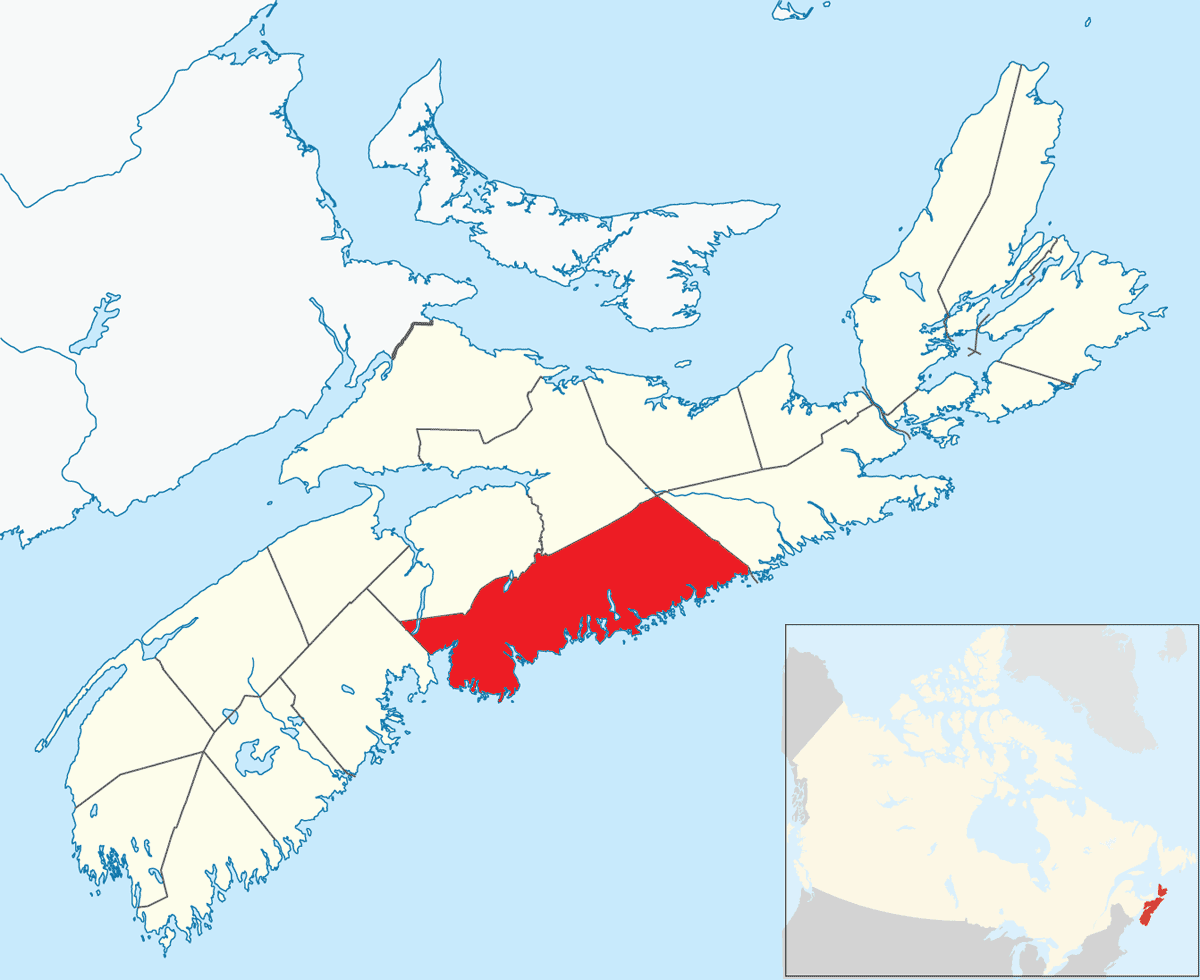


Geography and characteristics
Halifax is built around an ice-free harbour that has shaped its economy and identity for centuries. The harbour and waterfront are focal points for shipping, naval operations and recreational activity. The municipality includes varied neighbourhoods, working waterfronts, parks and scenic peninsulas. The climate is moderated by the Atlantic Ocean, producing milder winters and cool summers compared with inland areas at similar latitudes.
History
Founded in the 18th century as a British naval base, Halifax developed as a strategic maritime and military outpost. Its history includes periods of shipbuilding, transatlantic passenger service and trade. A defining moment occurred on 6 December 1917, when a collision involving a munitions-laden ship triggered the Halifax Explosion, a catastrophic blast that destroyed large parts of the city and caused widespread loss of life and injury. In the late 20th century the modern Halifax Regional Municipality was formed by amalgamating the city with surrounding communities, creating a single municipal government.
Economy, government and institutions
Halifax serves as Nova Scotia’s administrative and economic centre. Major sectors include public administration, defence and naval support, shipping and port services, finance, health care and post-secondary education. The city is home to several universities and colleges, which attract domestic and international students and contribute to research and innovation.
Culture, attractions and transport
Halifax has a lively cultural scene with museums, historic sites, festivals and performing arts. Notable sites include civic landmarks, historic fortifications and waterfront attractions. The city is served by regional roads, ferry links, rail connections and an international airport, and its working port continues to be important for trade and cruise visitors.
Notable facts and further information
- The municipality combines urban and rural areas under a single municipal government and provides many regional services.
- Cultural life blends maritime traditions with contemporary arts, music and cuisine.
- Demographic and economic statistics are regularly updated by national and provincial agencies; for general population context see population resources.
For readers seeking more detail on particular topics—local history, governance, or visitor information—official municipal and provincial sources provide authoritative guidance and current data.
Related articles
Author
AlegsaOnline.com Halifax, Nova Scotia Leandro Alegsa
URL: https://en.alegsaonline.com/art/41892
Sources
- www12.statcan.gc.ca : "Census Profile, 2016 Census: Halifax [Census metropolitan area], Nova Scotia and Halifax [Population centre], Nova Scotia"
- wikidata.org : wikidata.org/wiki/Q2141
- d-nb.info : 4089126-4
- id.loc.gov : n99830155
- musicbrainz.org : d5210692-e55c-4111-9517-5d798cf172cd
- catalog.archives.gov : 10045590
- aleph.nkp.cz : ge384897
- uli.nli.org.il : 001056110
- viaf.org : 150052288
- worldcat.org : lccn-n99830155