
Norwegian Forest Cat
A large natural breed from Northern Europe with a dense, water‑resistant double coat, adapted to cold climates; kept as a companion, working and show cat with a long cultural history.
Overview
The Norwegian Forest cat (Norsk skogkatt) is a robust, semi-longhaired domestic breed that developed in northern Europe. Bred by natural selection rather than deliberate human crossing, it is adapted to cold, wet climates through a dense double coat and a strong, muscular body. The breed is valued both as a companion animal and as a capable mouser and outdoor climber.
Image gallery
9 Images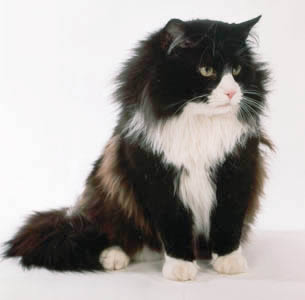



Physical characteristics
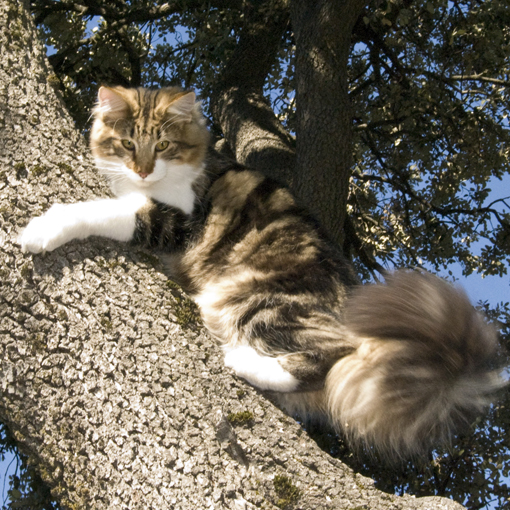
Typical features include a triangular head, large almond-shaped eyes, tufted ears and a long, bushy tail. The coat consists of a glossy, water‑shedding outer layer and a thick, insulating undercoat that is shed seasonally. Adults are medium to large in size, with substantial bone structure and powerful hindquarters that aid in climbing and jumping.
History and origin
The Norwegian Forest cat is regarded as a natural landrace of northern Europe. While precise origins are unclear, cats similar to this type are recorded in Scandinavian folklore and art. Some of the breed's ancestors may have arrived with seafaring peoples such as the Vikings, but the modern population was also shaped by local barn and farm cats over many generations. In the 20th century, organized efforts in Scandinavia and elsewhere helped preserve and standardize the breed.
Behavior, health and care
These cats are generally strong, agile and good-natured. They are known for being independent yet affectionate with family members. Their thick coat requires regular grooming to reduce matting and seasonal shedding. As a natural breed, they are often hardy, though breeders and veterinarians monitor for hereditary conditions that can affect larger cats. Many owners keep them as indoor companions, while others allow supervised outdoor access where the cats can exercise their climbing and hunting instincts.
Uses, recognition and notable facts
Norwegian Forest cats are popular in cat shows and as family pets. They are sometimes compared to other northern breeds such as the Maine Coon and the Siberian cat; each has distinct standards and regional history. The breed's cultural presence in Scandinavian tales and its adaptation to harsh climates are among its most notable attributes.
Further information
- Breed overview and names
- Distribution in Northern Europe
- Climatic adaptations and coat structure
- Regional history and folklore
- Comparison with other northern breeds
- Care and grooming advice
- Health screening recommendations
- Breeding and conservation efforts
- Show standards and registration
- Resources for new owners
Related articles
Author
AlegsaOnline.com Norwegian Forest Cat Leandro Alegsa
URL: https://en.alegsaonline.com/art/71118
Sources
- commons.wikimedia.org : Norwegian Forest cat