
Notostraca (tadpole shrimps): biology, life cycle, and fossil history
Notostraca, or tadpole shrimps, are an order of small crustaceans (Triops, Lepidurus) living in temporary waters worldwide; notable for ancient body plan, rapid life cycle and durable dormant eggs.
Notostraca are an order of small, flattened crustaceans commonly called tadpole shrimps. The order contains only a few living genera, most famously Triops and Lepidurus. These animals are recognizable by a broad carapace over the head, a long segmented abdomen and many paired appendages. Because their external morphology resembles fossils from deep geological time, they are often described as living fossils; forms similar to modern notostracans are known from rocks as old as the Triassic period.
Image gallery
5 Images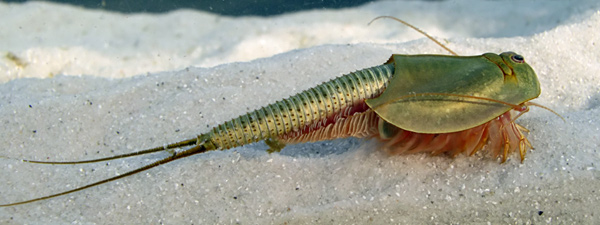


Physical characteristics
Notostracans have a flattened, shield-like dorsal carapace that conceals the head and first thoracic segments. Behind the carapace the body is elongated and segmented, ending in a flattened telson. Limbs under the carapace are used both for locomotion and feeding; the many leaf-like appendages create water currents that deliver food particles to the mouth. They lack a true external shell like some crustaceans, but their general shape—broad front, tapering tail—gives them the common name “tadpole shrimp.” Key identifying features include:
- Large, shield-like carapace covering the head.
- Numerous biramous appendages beneath the body used for swimming and feeding.
- Omnivorous mouthparts capable of scavenging, filtering, and predation.
Life cycle and diapause
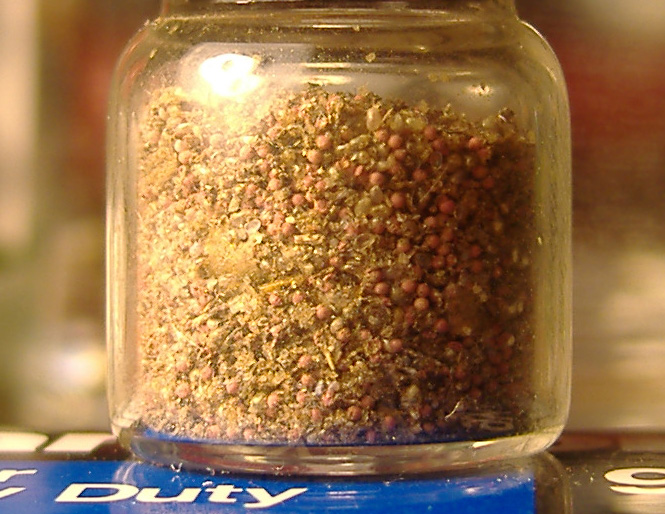
Notostracans typically inhabit ephemeral pools and shallow freshwater bodies where conditions fluctuate seasonally. They grow quickly from hatchling to reproductive adult in a matter of days or weeks and often complete their life cycle within a single wet season. Adults die when the pool dries, but their eggs are adapted to survive long dry periods by entering a dormant state called diapause. These desiccation-resistant eggs, sometimes termed cysts, can persist in dried sediment for years or even decades, hatching when favorable conditions return. This strategy allows populations to recolonize temporary waters repeatedly.
Distribution and habitat
Tadpole shrimps occur in temporary freshwater habitats on most continents, occupying rain-fed pools, rice fields, seasonal ponds and shallow lakes. They are widely distributed and have been recorded from many regions of the world, essentially on every continent except Antarctica. Their preferred habitats are those that dry periodically, which reduce competition and predation from fish and allow notostracans to exploit transient food resources.
Ecology and human interest
Ecologically, notostracans are opportunistic omnivores: they scavenge organic debris, graze on algae and small plants, and capture small invertebrates. This mixed diet helps them dominate communities in fish-free temporary pools. Humans have taken an interest in some species for classroom observation, ecological study and the pet trade; commercial kits to hatch Triops eggs are sold as novelty educational items. They also serve as model organisms for studying diapause and rapid development.
Taxonomy, history and conservation
The order is small in living diversity but extensive in the fossil record. Modern genera such as Triops and Lepidurus reflect a conservative body plan that has persisted for millions of years. Taxonomic treatments vary and regional species names have changed as research progresses; the order Notostraca remains the formal grouping. While many populations are resilient due to resistant eggs, local populations can be threatened by habitat loss, pollution, and changes in land use. Conservation of seasonal wetland habitats helps protect these unique crustaceans.
Further notes
For additional context, readers can follow links about their feeding habits (omnivores), typical habitats (temporary pools), or biological details of their eggs (eggs). Historical and paleontological summaries often refer to them as examples of long-term morphological stability; see resources on Triassic-era fossils and the idea of living fossils for broader background.
Questions and answers
Q: How many living genera are there in the order Notostraca?
A: There are just two living genera in the order Notostraca, Triops and Lepidura.
Q: Why are Triops and Lepidura considered 'living fossils'?
A: Triops and Lepidura are considered 'living fossils' because they have not changed in outward form since the Triassic.
Q: What kind of animals are Notostracans?
A: Notostracans, also known as tadpole shrimps, are omnivores living on the bottom of temporary pools and shallow lakes.
Q: Where on Earth can Notostracans be found?
A: Notostracans can be found in pools of water on every continent except Antarctica.
Q: How quickly do Notostracans grow?
A: Notostracans grow very quickly and can reach adulthood in a week.
Q: How long do Triops generally live?
A: Triops only live for a short time; a record-breaking female only lived to be 100 days.
Q: What happens to Notostracan eggs when their pools dry up?
A: When Notostracan pools dry up, adult tadpole shrimp die. However, their eggs stop developing for a time. When they are in water again, they come to life and new Triops are hatched. This is because of a state known as diapause, where eggs can lie dormant for up to twenty years before hatching again.
Related articles
Author
AlegsaOnline.com Notostraca (tadpole shrimps): biology, life cycle, and fossil history Leandro Alegsa
URL: https://en.alegsaonline.com/art/71173
Sources
- books.google.com : The Light and Smith Manual: Intertidal Invertebrates from Central California to Oregon
- crustacea.net : "Notostraca (Branchiopoda)"
- books.google.com : Tracking Environmental Change Using Lake Sediments. Volume 4: Zoological Indicators
- books.google.com : Multicellular animals. The phylogenetic system of the Metazoa. Volume II