
Normandy landings (D-Day): Operation Overlord and the Allied invasion, June 6, 1944
The Normandy landings were the Allied amphibious invasion of German-occupied Western Europe on June 6, 1944 (D‑Day), opening the Western Front and becoming the largest seaborne assault in history.
Overview
The Normandy landings, commonly called D‑Day, were the seaborne and airborne invasion launched by Allied forces on June 6, 1944. Codenamed Operation Neptune as the assault phase of the larger Operation Overlord, the landings established a substantial foothold on the coast of Normandy, France, and initiated the sustained campaign to liberate Western Europe from German occupation. The operation involved forces from the United States, the United Kingdom, Canada and numerous other Allied nations, and was directed by Supreme Allied Commander General Dwight D. Eisenhower.
Image gallery
10 Images





Planning, deception and preparations
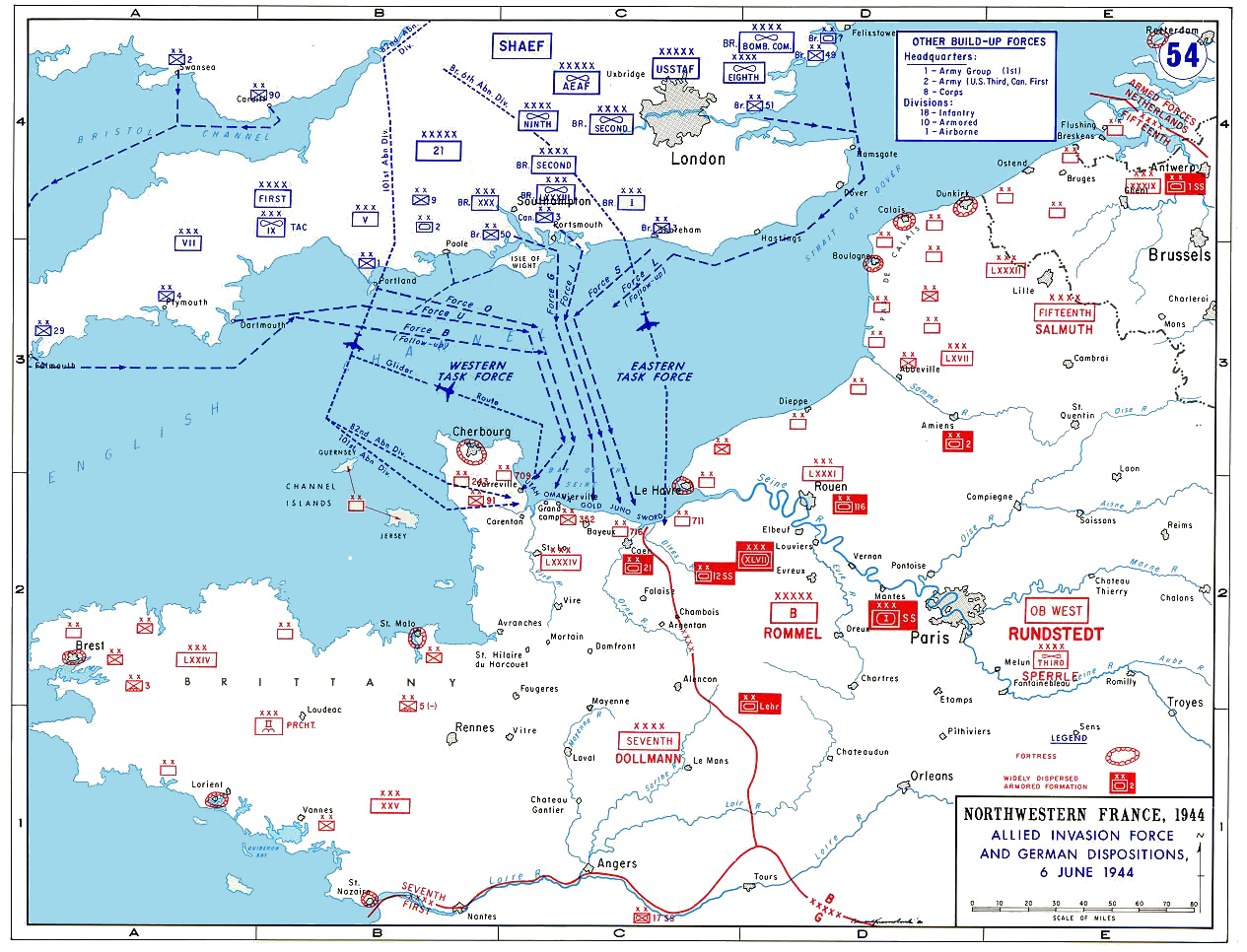
Operation Overlord was the result of months of detailed planning, logistics and coordination among Allied navies, armies and air forces. Preparations included large-scale amphibious training, development of artificial harbors and specialized landing craft, airborne troop drops to secure inland objectives, and a strategic deception effort (often grouped under plans such as Operation Bodyguard) intended to mislead German commanders about the invasion location and timing. The assault phase—Operation Neptune—was timed to coincide with favorable tides, moonlight and weather conditions, following extensive aerial and naval bombardment.
Beaches, sectors and components
The seaborne landings struck five main beach sectors on the Normandy coast: Utah Beach, Pointe du Hoc (an assault on coastal cliffs), Omaha Beach, Gold Beach and Sword Beach, with Canadian forces landing primarily at Juno Beach as part of the overall plan. These sectors combined naval gunfire support, landing craft delivery, and airborne landings that preceded or accompanied the beach assaults to seize key crossroads, bridges and defensive positions.
Battle and immediate aftermath
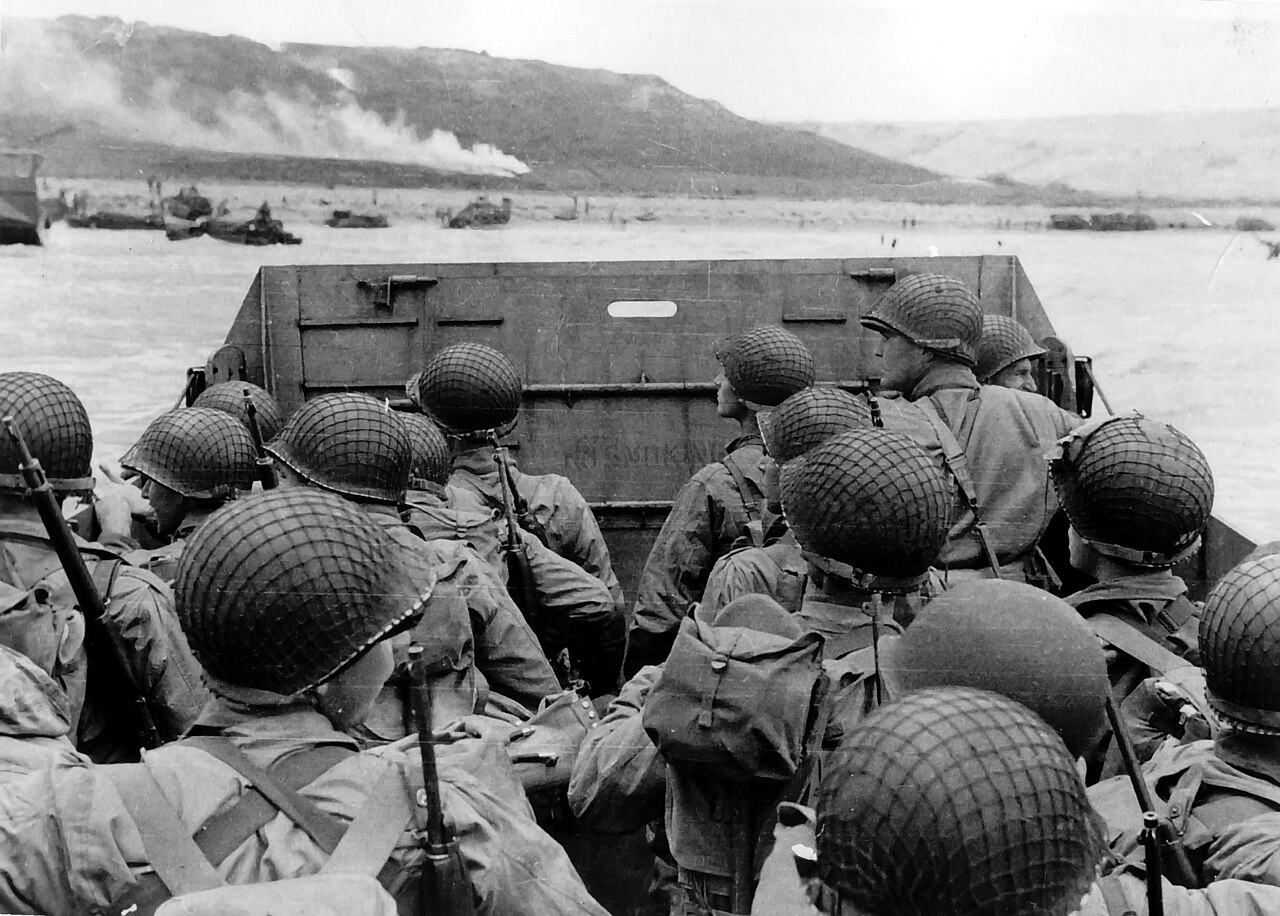
On D‑Day the Allies secured the beaches despite stiff resistance, fortified obstacles and intense local fighting—Omaha Beach in particular saw heavy casualties. Some key inland objectives were not achieved on the first day; for example, the capture of the city of Caen took longer than planned. Nevertheless, holding the shoreline allowed follow‑on forces, supply over the newly constructed Mulberry harbors, and further advances inland that would expand the beachhead over the subsequent weeks.
Casualties, scale and significance
The Normandy landings were the largest amphibious assault in history, involving thousands of ships, landing craft and aircraft and hundreds of thousands of troops. Estimates of casualties vary: Allied losses on D‑Day numbered in the thousands with comparable German losses; commonly cited figures note at least 4,414 confirmed Allied dead and higher totals of wounded and missing, and German casualties estimated in the low thousands on the day. More importantly, the invasion created the long‑sought Western Front, enabling large‑scale Allied offensives that ultimately led to the liberation of Western Europe and the defeat of Nazi Germany.
Notable facts and legacy
- Operation Neptune was the amphibious and naval element of the broader Operation Overlord.
- Airborne forces played a crucial role in disrupting German defenses and securing key positions inland before the beach assaults.
- The operation remains a major subject of military study for its planning, combined operations, and logistical achievements.
For further reading on specific beaches, tactical actions such as the assault on Pointe du Hoc, and the roles of participating nations, consult dedicated histories and archival collections linked through authoritative sources and museums. Omaha, Utah, Gold, Sword and Juno remain central names in accounts of the operation.
Related articles
Author
AlegsaOnline.com Normandy landings (D-Day): Operation Overlord and the Allied invasion, June 6, 1944 Leandro Alegsa
URL: https://en.alegsaonline.com/art/70768