
North American video game crash of 1983
A major collapse of the North American home video game market beginning in 1983 caused by oversupply, poor-quality software, retailer losses and loss of consumer confidence; recovery followed mid-1980s.
The North American video game crash of 1983 was a sharp downturn in consumer sales and industry revenues for home video games and related hardware in the region. What had been a rapidly expanding entertainment market contracted as retailers returned unsold inventory, developers and hardware makers faltered, and public confidence in home console entertainment fell. The crash did not destroy electronic games permanently, but it triggered consolidation and a change in how games were produced, marketed and distributed.
Image gallery
5 Images



Primary causes
Scholars and industry observers identify several interacting causes that produced the crash. Key problems included:
- Market oversaturation: Numerous companies released competing platforms and a flood of titles, overwhelming retailers and consumers.
- Poor-quality software: Many games were rushed or low-quality, eroding trust in publishers and decreasing repeat purchases.
- Retail volatility: Retailers tightened shelf space and returned unsold cartridges or units, creating financial losses for manufacturers.
- Confusing product lines: Multiple incompatible consoles and frivolous add-ons made buying decisions difficult.
- Competition from personal computers: Growing interest in home computers offered alternative forms of interactive entertainment and software development.
Consequences and industry fallout
The immediate effects included the bankruptcy or exit of several companies that had focused on the North American console market, reduction in new hardware launches, and a shift in investment away from domestic console publishing. Retailers reduced ordering and visibility for games, which further reduced consumer demand. The crisis also demonstrated that the business of interactive entertainment could be risky and needing stronger commercial controls.
Recovery and lasting changes
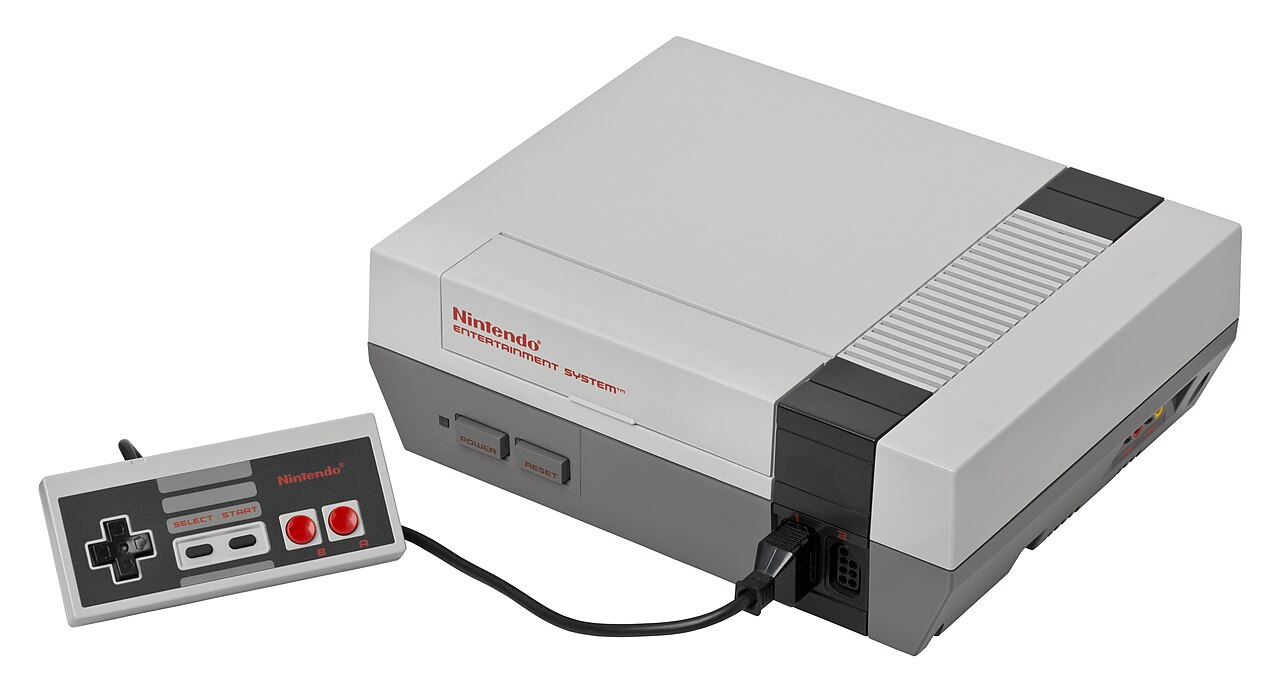
Recovery began mid-decade when new business models and stricter quality control were introduced. A major turning point came when Nintendo re-entered the North American living-room market with the Nintendo Entertainment System, launching in the region with a controlled publishing model, licensed third-party development, and visible quality assurance. The renewed success of consoles reinforced developer standards, licensing practices, and careful retail partnerships. The industry also became more globally connected, with Japanese firms playing a central role in revitalization.
Notable examples and persistent narratives
Some individual products became emblematic of the crash. The troubled release of a movie tie-in title frequently cited in retrospectives is often used as shorthand for the era's excesses and poor decision-making. Meanwhile, established brands that failed to adapt lost prominence. The episode remains a cautionary tale about the balance between rapid growth and product quality in entertainment industries.
Legacy
Longer-term, the crash shaped how games are marketed, how console manufacturers interact with third-party developers, and how retailers and publishers manage inventory risk. It accelerated the professionalization of game development and the emergence of licensing systems and consumer protections that prioritized consistent quality. For historical study, the crash is a pivotal moment that explains why later generations of consoles emphasized platform control, certification and curated software libraries.
For additional context see resources on the North American video game market, histories of early console manufacturers and the corporate strategies of Japanese and Western firms during the mid‑1980s.
Related articles
Author
AlegsaOnline.com North American video game crash of 1983 Leandro Alegsa
URL: https://en.alegsaonline.com/art/70814