
Utah Beach: Allied Landing Site in Normandy, 6 June 1944
Utah Beach was the westernmost Allied landing sector on D-Day (6 June 1944). U.S. forces established a foothold on the Normandy coast, enabling inland advances and the buildup of forces in northern France.
Overview
Utah Beach was one of five designated landing areas for the Allied invasion of German‑occupied Western Europe on 6 June 1944. The amphibious assault, part of the larger Operation Overlord, aimed to open a western front and establish a secure lodgement on the coast of Normandy. Utah occupied the western end of the assault zone and was assigned to United States forces whose objectives were to secure beach exits and move inland toward key ports and road junctions.
Image gallery
10 Images
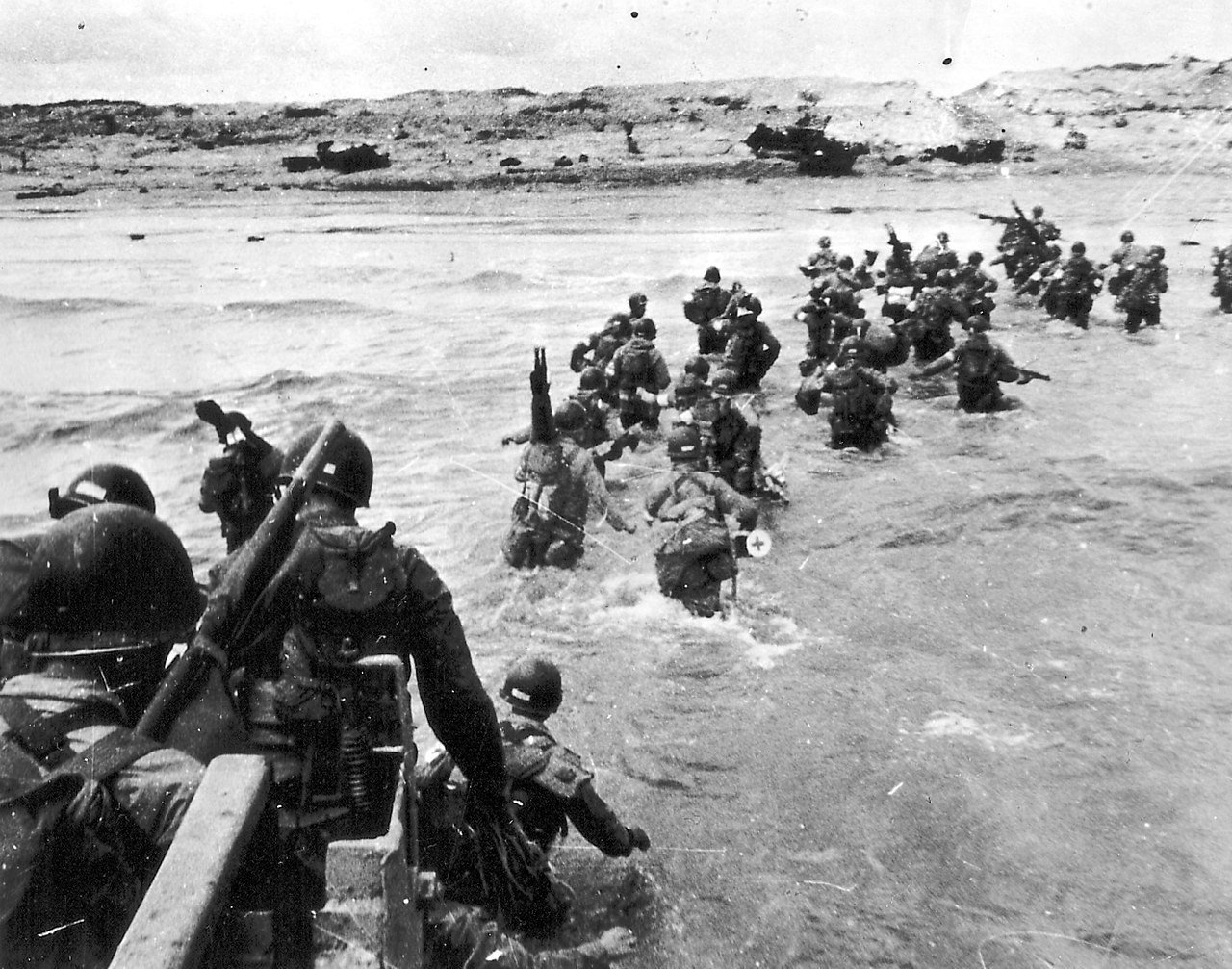


Terrain and defenses
The Normandy coastline had been fortified by the Germans as part of the so‑called Atlantic Wall. Utah Beach consisted of wide sands backed by low bluffs, dunes and a network of drainage channels and causeways. German positions included beach obstacles, bunkers and artillery emplacements intended to repel landing craft. Allied planners studied terrain, tides and enemy dispositions to determine timing and the composition of assault waves.
Forces and plan
The assault involved combined arms: naval gunfire, air bombardment, airborne troops dropped inland to seize causeways and disrupt enemy communications, and amphibious infantry and engineers tasked with clearing obstacles and opening routes off the beach. The goal at Utah was to land relatively light casualties, link up with airborne forces, and push toward inland objectives to protect the flank of the main assault further east.
Landing and immediate result
On D‑Day the landing craft reached the beaches under varying conditions. Due to navigation factors and strong currents, several units came ashore slightly off the planned zone and encountered less concentrated enemy fire than expected. This serendipitous shift reduced immediate resistance, helped troops consolidate gains, and allowed a more rapid inland movement. Clearing of obstacles and the capture of nearby exits permitted follow‑on forces to flow through the beachhead.
Aftermath and significance
Securing Utah Beach contributed to the broader success of the Normandy landings by protecting the western flank of the invasion and facilitating the flow of men, vehicles and supplies into northern France. The foothold gained on 6 June enabled further operations to capture nearby ports and road networks that were essential for sustaining the Allied advance into occupied territory.
Notable facts
- Utah was the westernmost of the five assault beaches and is remembered for having lighter resistance than some sectors.
- Airborne operations inland were a vital part of the plan to hold exits and prevent counterattacks.
- Today the area contains memorials and museums that commemorate those who fought on D‑Day.
Further reading: Contemporary accounts and military histories examine tactical lessons learned at Utah and how its capture fit into the larger campaign that led to the liberation of Western Europe.
Related articles
Author
AlegsaOnline.com Utah Beach: Allied Landing Site in Normandy, 6 June 1944 Leandro Alegsa
URL: https://en.alegsaonline.com/art/103714