
North American Blizzard of 2003 (Presidents' Day Storm II)
A powerful February 2003 nor'easter that struck the U.S. East Coast and parts of Canada, producing widespread heavy snow, strong winds, travel paralysis, and record accumulations in several cities.
Overview
The North American Blizzard of 2003, commonly called the Presidents' Day Storm of 2003 or Presidents' Day Storm II, was a major winter storm that affected the U.S. East Coast and parts of eastern Canada from February 15 to February 18, 2003. Occurring over the long holiday weekend, it brought heavy snowfall and blizzard conditions to a broad corridor stretching roughly from the mid-Atlantic northward to New England.
Image gallery
8 Images


Meteorological development
The storm developed as a low pressure area off the southeastern United States and intensified as it moved northeast along the coast, a pattern known as a nor'easter. Rapid deepening of the coastal low combined with a supply of moist air and cold temperatures near the surface, producing heavy, often wet snow and strong onshore winds. Forecasters warned of prolonged snowfall rates and reduced visibility as the system organized and strengthened.
Effects and impacts
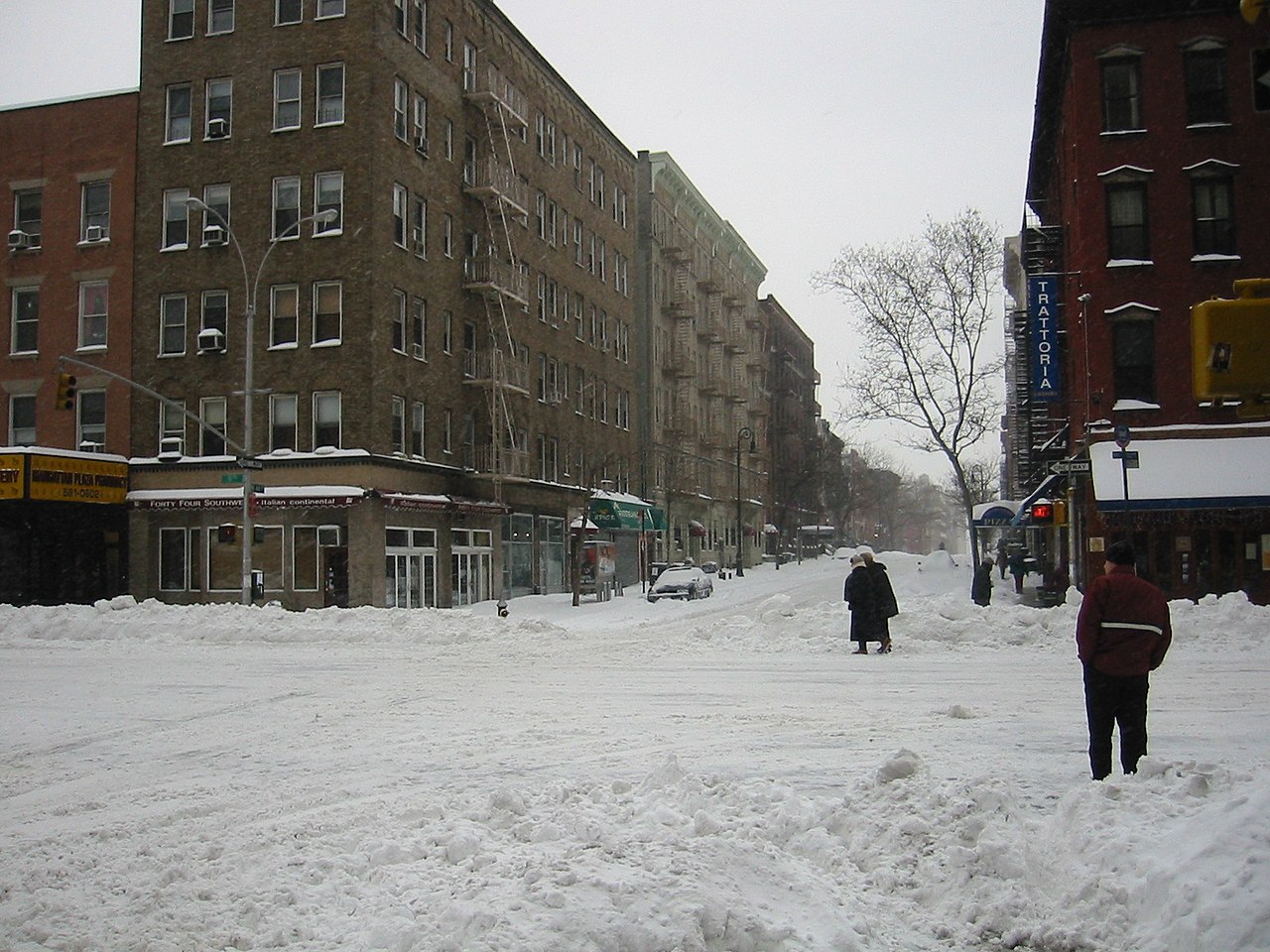
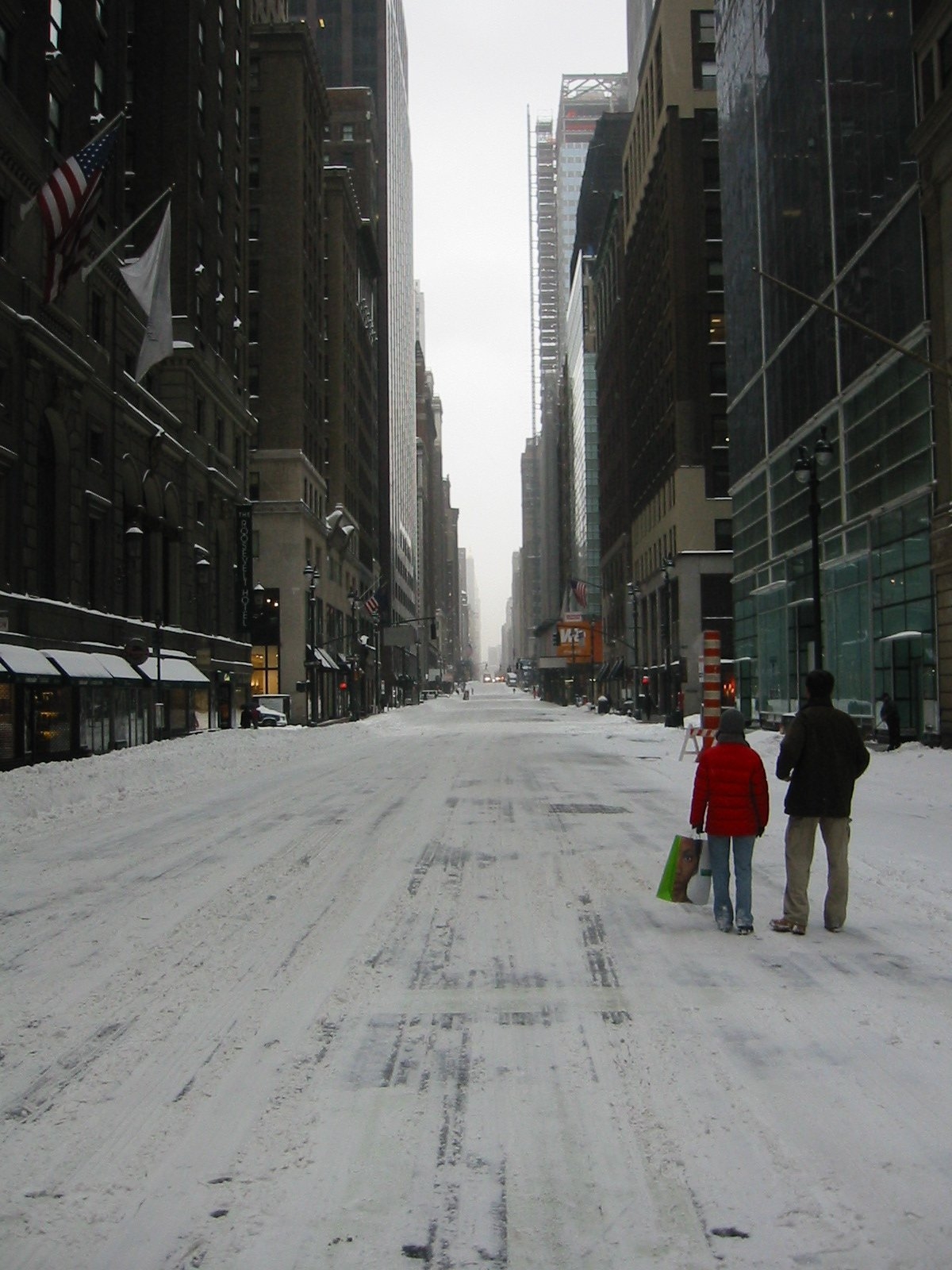
The blizzard produced severe disruptions to transportation, power, and daily life. Urban and suburban road networks were immobilized, airports canceled flights, and rail and bus services were widely affected. Local authorities issued travel advisories and many schools and businesses closed for days. The storm affected communities in the United States (U.S.) as well as parts of Canada (Canada), with coastal areas also experiencing strong winds and localized coastal flooding.
- Widespread heavy snowfall across the Northeast and mid-Atlantic.
- Blizzard conditions in exposed coastal and inland locations.
- Major disruptions to air, road, and rail travel during and after the event.
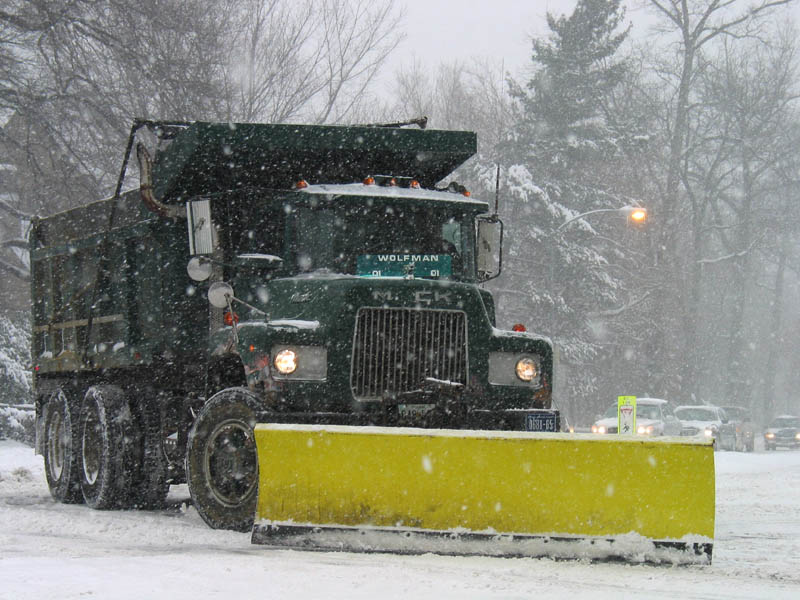
- Municipal snow-removal and emergency services were heavily taxed.
Records and notable facts
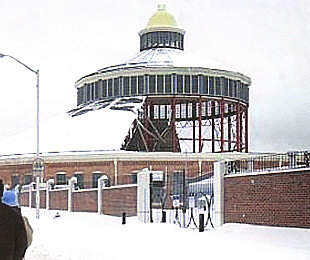
For the 2002–2003 winter season this storm was among the largest single events in terms of snowfall accumulation for many urban centers. Several cities recorded their largest single-storm totals of the season, and in some places the amounts were historically large; for instance, official accounts describe record or near-record accumulations in Boston (Boston) and Baltimore (Baltimore), contributing to the storm's lasting local notability. The storm is often referenced in historical lists of significant northeastern U.S. winter storms (storm summaries).
Aftermath and significance
In the days that followed, municipal crews worked to clear streets and restore services. The event prompted reviews of snow-response plans in some jurisdictions and became a reference point for preparedness for future coastal winter storms. Because it struck over the Presidents' Day weekend and followed a season already marked by heavy snow in some regions, the blizzard of 2003 remains a frequently cited example of a high-impact late-winter nor'easter.
Questions and answers
Q: What was the Blizzard of 2003?
A: The Blizzard of 2003, also called the Presidents' Day Storm of 2003, was a very big snowstorm on the East Coast of the United States and Canada, which started on February 15 and ended on February 18, 2003.
Q: When did the Blizzard of 2003 take place?
A: The Blizzard of 2003 took place from February 15 to February 18, 2003.
Q: What cities were affected by the Blizzard of 2003?
A: All cities from Washington DC to Boston were covered in a lot of snow during the Blizzard of 2003.
Q: Was the Blizzard of 2003 the biggest snowstorm of the winter?
A: Yes, the Blizzard of 2003 was the biggest snowstorm of the snowy winter of 2002-2003.
Q: Were people able to travel during the Blizzard of 2003?
A: No, people could not go around because of the bad weather caused by the Blizzard of 2003.
Q: Was the Blizzard of 2003 a record-breaking event?
A: Yes, the Blizzard of 2003 was a record-breaking event. It was the biggest snowstorm ever recorded in Baltimore and Boston.
Q: What are some other names for the Blizzard of 2003?
A: The Blizzard of 2003 is also called the Presidents' Day Storm of 2003, or Presidents' Day Storm II.
Related articles
Author
AlegsaOnline.com North American Blizzard of 2003 (Presidents' Day Storm II) Leandro Alegsa
URL: https://en.alegsaonline.com/art/70805