
Novarupta (1912 eruption) — Alaska's largest 20th-century volcanic event
Novarupta is the volcanic vent created by the 1912 eruption on the Alaska Peninsula. It produced the Valley of Ten Thousand Smokes and remains central to studies of large explosive eruptions and caldera formation.
Overview
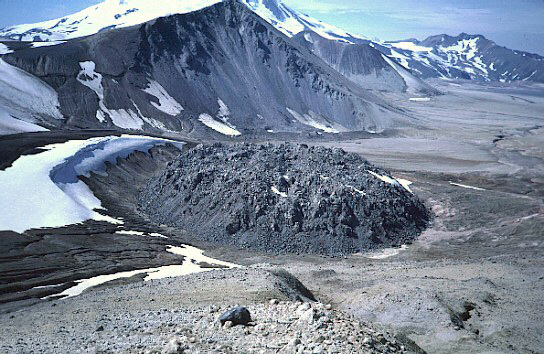
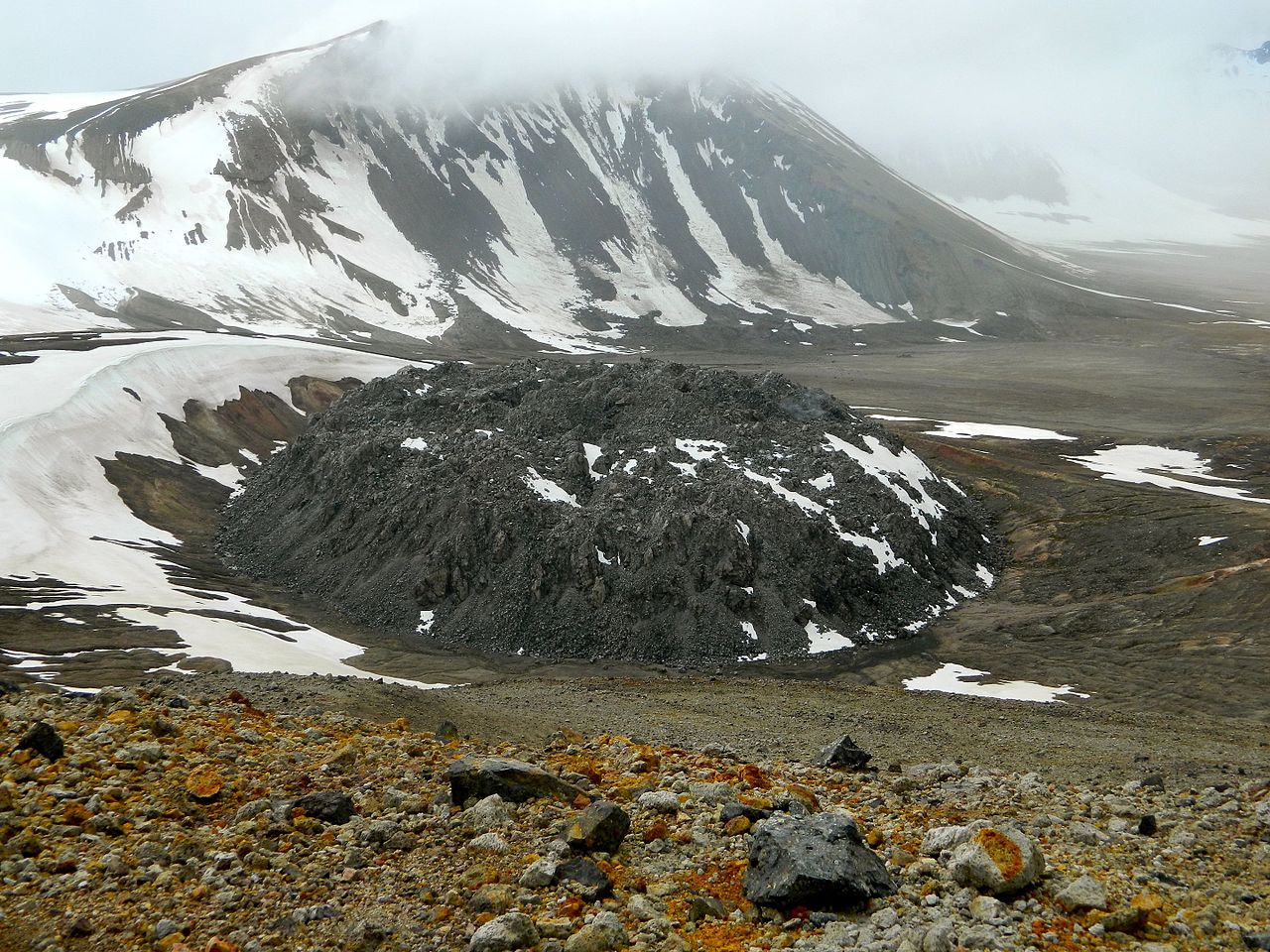
Novarupta (from Latin meaning "newly erupted") is the vent that opened during a major explosive eruption on the Alaska Peninsula in June 1912. The event, located within what is now Katmai National Park and Preserve, produced the most voluminous volcanic eruption of the 20th century and reshaped a wide area of the surrounding landscape. Novarupta is remote and reached today only by air or water from communities such as Anchorage and local coastal towns.
Image gallery
5 Images


Geological setting
Novarupta is part of a subduction-related volcanic province; melt is generated where the Pacific Plate descends beneath the North American Plate. The eruptive site did not coincide with the summit of the nearby Mount Katmai; instead the magma reached the surface through a new vent. For general descriptions of volcanic vents and magma systems see introductory resources on volcano structure and for etymology see Latin name origins.
The 1912 eruption
Beginning in late June of 1912, Novarupta produced prolonged explosive activity: large pyroclastic flows, extensive ashfall, and widespread ignimbrite deposits. The eruption released a volume of magma many times greater than some later well-known eruptions; comparisons are commonly made with the 1980 event at Mount St. Helens, and general volume discussions are available via comparative studies. The collapse of a nearby summit area formed the Mount Katmai caldera, illustrating how vent location and magma withdrawal can produce distant summit subsidence.
Valley of Ten Thousand Smokes
One of the most striking results of the eruption was the creation of the Valley of Ten Thousand Smokes, a broad area filled with welded tuff and pumice through which hundreds of fumaroles once emitted steam and gas. Early 20th-century expeditions documented the hot flows and fumarolic activity; over decades the valley cooled and vegetation slowly returned, leaving an unusual landscape of preserved pyroclastic deposits.
Scientific importance and visitation
Novarupta remains a key site for understanding explosive eruption dynamics, pyroclastic flow emplacement, and post-eruption landscape recovery. Geologists study deposit stratigraphy, geochemistry, and the relationship between venting and caldera formation. Visitors to Katmai can view features related to the eruption on guided trips; access is controlled to protect fragile deposits and habitat. Park and scientific publications provide interpretive material for those who wish to learn more.
Legacy
The 1912 Novarupta eruption is frequently cited in volcano hazard literature as an example of large, explosive subduction-zone activity. It also serves as a reminder that eruptions may occur at vents away from obvious summit cones, and that the landscape effects of large eruptions can persist for many decades. For regional context and park information consult resources on the Alaska Peninsula and Katmai National Park.
Questions and answers
Q: What is Novarupta?
A: Novarupta is a volcano formed in 1912.
Q: What does Novarupta mean in Latin?
A: Novarupta means "newly erupted" in Latin.
Q: Where is Novarupta located?
A: Novarupta is located on the Alaska Peninsula in Katmai National Park and Preserve, about 290 miles (470 km) southwest of Anchorage.
Q: How much magma did Novarupta release?
A: Novarupta released 30 times the volume of magma of the 1980 eruption of Mount St. Helens.
Q: When was Novarupta formed?
A: Novarupta was formed in 1912.
Q: What caused the formation of Novarupta?
A: Novarupta was formed during the largest volcanic eruption of the 20th century.
Q: In what region of Alaska is Novarupta located?
A: Novarupta is located on the Alaska Peninsula in Katmai National Park and Preserve.
Related articles
Author
AlegsaOnline.com Novarupta (1912 eruption) — Alaska's largest 20th-century volcanic event Leandro Alegsa
URL: https://en.alegsaonline.com/art/71228
Sources
- volcano.si.edu : "Novarupta"
- nps.gov : "Katmai: Hiking the Valley of Ten Thousand Smokes"