
Notre-Dame fire of April 2019: damage, response, and recovery
A major fire damaged Notre-Dame de Paris on 15 April 2019, destroying the roof and spire but leaving much of the stone structure and many treasures intact; emergency response, salvage and restoration followed.
Overview
On the evening of 15 April 2019 a large fire broke out at Notre-Dame de Paris, the cathedral on the Île de la Cité that is one of France's best-known landmarks. Initial reports placed the start of the blaze at about 18:50 local time and described rapidly spreading flames in the attic and roof area. The fire caused the collapse of the cathedral's 19th-century spire and destroyed much of the timber roof structure, but the main masonry and towers survived. Early news coverage and official statements are collected in contemporary initial reports.
Image gallery
10 Images





Significance and architecture
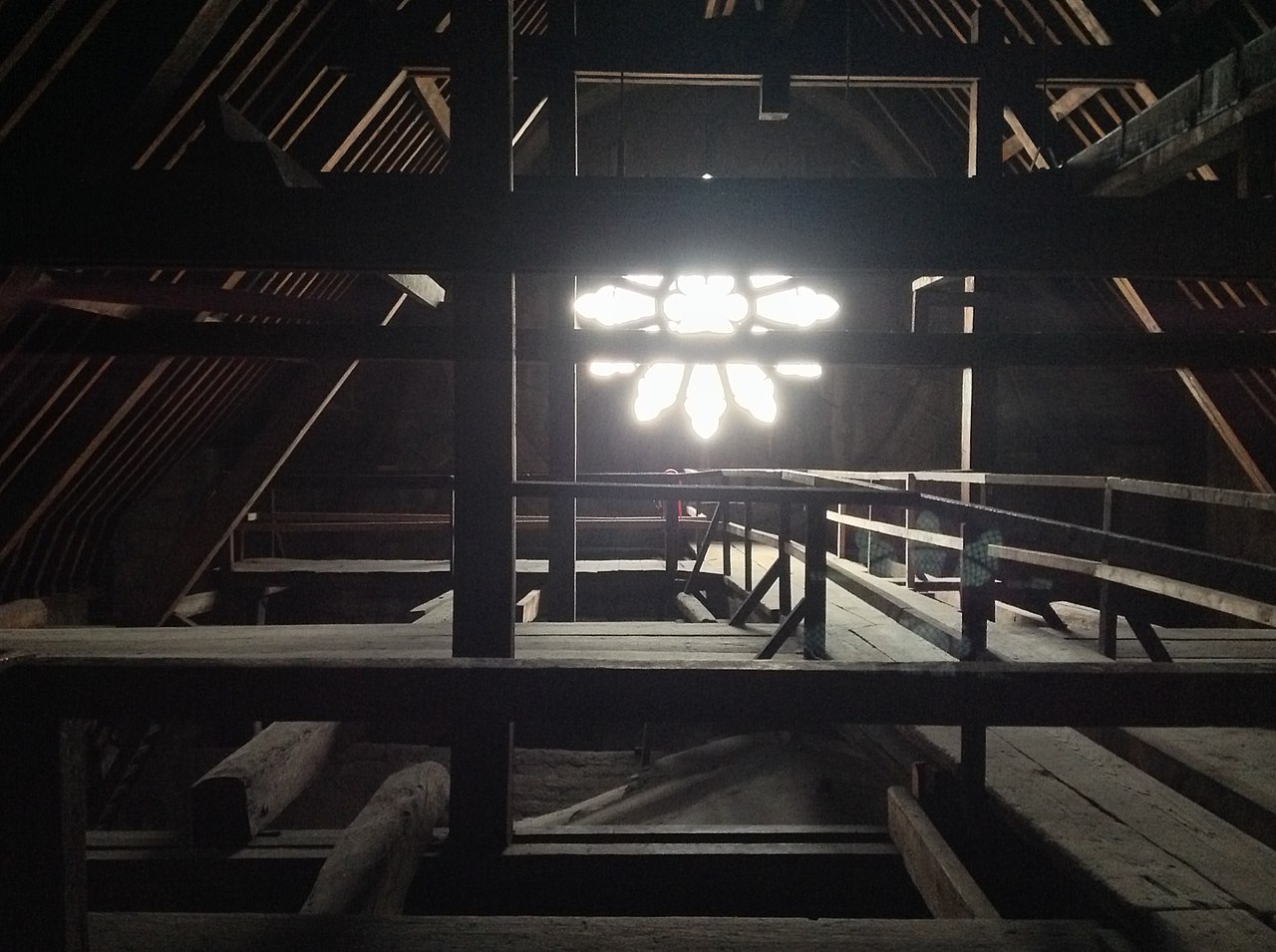
Notre-Dame is a medieval Roman Catholic cathedral whose construction began in the 12th century and whose Gothic forms, stained glass and sculptural program illustrate key developments in medieval architecture. The spire that fell in 2019 was a 19th-century addition by Eugène Viollet-le-Duc; the roof's wooden framework, known as the "forest," dated largely from the medieval period and fed the intensity of the blaze. The site is a central cultural and religious symbol of Paris and of France.
Fire progression and emergency response
Flames and smoke spread rapidly through the attic space above the vaulted nave. The cathedral's vaulted stone ceiling helped to limit direct fire penetration into the main interior, and in places it contained falling embers and burning timbers. Fire crews worked through the night: more than 400 firefighters were deployed, using specialized high-reach hoses and ladders to limit the spread and protect the towers and bell chamber. Equipment and tactics focused on cooling and stabilizing the structure to avoid further collapse. Several first responders were injured; among the casualties were two police officers and at least one firefighter who required hospital treatment. By late evening officials expressed guarded optimism that the principal structure could be preserved.
Salvage, damage and investigations
Emergency teams and cathedral staff prioritized the removal and protection of movable treasures. Many irreplaceable objects escaped destruction — for example, large sculptures, the cathedral's great organ (which avoided total loss though it required extensive conservation), and several relics and artworks were saved after rapid evacuation by clergy and firefighters. Investigators later described the most likely cause as accidental and probably associated with renovation works underway on the roof and spire; inquiries examined electrical systems and worksite procedures but did not immediately point to deliberate wrongdoing.
Restoration, funding and legacy
The fire prompted a global outpouring of financial and political support for reconstruction. The French government pledged to rebuild, and public and private donations arrived from domestic and international sources. Restoration planning involved debates about preservation versus reconstruction, whether to recreate the 19th-century spire or design a contemporary replacement, and how to reconcile modern safety standards with historical authenticity. The rebuilding has been framed as both a technical conservation challenge and a symbol of cultural resilience.
Key facts and notable points
- Date and time: fire began on 15 April 2019, shortly before 19:00 local time.
- Main losses: the wooden roof structure and the 19th-century spire collapsed into the nave.
- Structural survival: the two western towers and much of the stone vaults remained standing; the vaulted stone ceiling limited interior damage.
- Emergency response: over 400 personnel fought the blaze and worked to salvage artifacts.
- Aftermath: international donations, criminal and technical inquiries, and a multi-year restoration program.
For contemporary reportage, architectural analysis and updates on reconstruction, see detailed accounts and follow-up sources such as news summaries and conservation briefings at institutional pages about Notre-Dame and heritage authorities. Further context about the cathedral's role in the city and its religious function can be found in descriptions of the Roman Catholic tradition and the building's status as a historic cathedral in Paris.
Readers interested in the technical aspects of the roof and vault interaction can review structural discussions that reference the vaulted stone ceiling and how it influenced the outcome of this exceptional event.
Questions and answers
Q: What happened at Notre Dame de Paris on 15 April 2019?
A: A fire broke out at Notre Dame de Paris at around 18:50 local time on 15 April 2019.
Q: What is Notre Dame de Paris?
A: Notre Dame de Paris is the Roman-Catholic cathedral of Paris.
Q: Where is Notre Dame de Paris?
A: Notre Dame de Paris is in the center of the city.
Q: What was the result of the fire at Notre Dame de Paris?
A: The fire made the roof and main spire fall, but the building's vaulted stone ceiling contained the burning roof as it collapsed, preventing worse damage to the interior.
Q: Was the structure of Notre Dame de Paris saved from the fire?
A: According to the spokesperson of the Paris firefighters, the structure would probably be saved, including the north tower, which was feared to be affected.
Q: How many people helped fight the fire at Notre Dame de Paris?
A: Over 400 people helped fight the fire.
Q: Were there any injuries as a result of the fire at Notre Dame de Paris?
A: Two police officers were injured, and one firefighter was critically wounded, who was treated in a nearby hospital.
Related articles
Author
AlegsaOnline.com Notre-Dame fire of April 2019: damage, response, and recovery Leandro Alegsa
URL: https://en.alegsaonline.com/art/71178
Sources
- bbc.co.uk : "Notre-Dame fire: Millions pledged to rebuild cathedral" · web.archive.org
- cbsnews.com : "France vows to rebuild Notre Dame Cathedral after devastating fire" · web.archive.org
- nytimes.com : "What We Know and Don't Know About the Notre-Dame Fire" · web.archive.org
- cnbc.com : "Paris' Notre Dame Cathedral on fire"
- lemonde.fr : "La cathédrale Notre-Dame ravagée par les flammes"
- nytimes.com : "Notre-Dame Cathedral in Paris Catches Fire" · web.archive.org
- worldcat.org : 0362-4331
- apnews.com : "The Latest: French leader vows to rebuild damaged Notre Dame" · web.archive.org
- ladepeche.fr : "Notre-Dame : la piste accidentelle privilégiée, les ouvriers du chantier entendus en pleine nuit"
- leparisien.fr : "Six questions sur l'incendie de Notre-Dame de Paris"