
Northern Illinois University shooting (February 14, 2008)
A school shooting at Northern Illinois University in DeKalb, Illinois, where gunman Steven Kazmierczak killed five students, wounded 17 and then died by suicide. The event prompted campus safety reforms.
The Northern Illinois University shooting was a mass shooting that occurred on February 14, 2008, on the campus of Northern Illinois University. The attack took place during a crowded class session and ended when the shooter took his own life. The incident is widely cited in discussions of campus public safety, emergency notification systems, and university responses to active-shooter events. For a general overview of similar incidents see school shooting.
Image gallery
7 Images


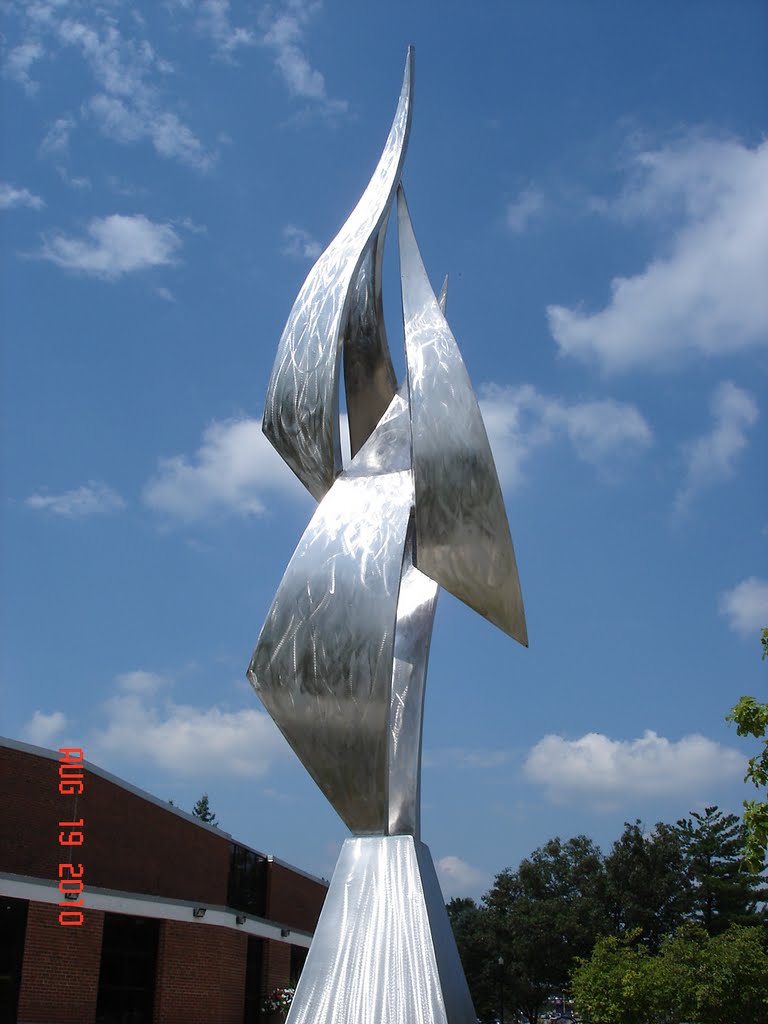

Where and how the attack unfolded
The shooting happened at Cole Hall on NIU's DeKalb campus during an afternoon lecture. The gunman entered the room and fired multiple rounds using a shotgun and handguns, striking many people in a confined space. The university immediately issued orders for students and faculty to shelter in place, and campus facilities were locked down while law enforcement secured the scene. Northern Illinois University is the institution at the center of this event; more background on the campus is available at Northern Illinois University, located in DeKalb, Illinois.
Casualties and the assailant
The shooter, identified as Steven Kazmierczak, used a combination of firearms including a shotgun and several pistols. He killed five students and wounded 17 others before shooting himself; when the shooter is included the death toll reached six. Details on the weapons are summarized in reports and press coverage of the event; for a brief reference to the types of firearms involved see shotgun. After the shooting authorities confirmed the perpetrator died at the scene; further procedural information and case files reference the way the attacker ended his life here.
Immediate response and campus measures
University police and local law enforcement responded rapidly, securing the building and treating the wounded. The campus went into lockdown while emergency medical services transported injured students. The university instituted counseling and crisis services for survivors and the wider community. The event exposed gaps in campus emergency notification and spurred institutions to improve alert systems and training for active-shooter situations.
Aftermath, investigations, and legacy
In the weeks and months following the shooting investigators examined the shooter's background, mental-health history and possible motives. Public discussion focused on mental-health care access, gun storage and campus security policies. Northern Illinois University later enhanced its mass-notification capabilities, increased mental health resources, and created memorials to honor the victims. The shooting is often cited in reviews of university preparedness and in analyses of how colleges coordinate with local responders during sudden violent incidents.
Notable facts and continuing relevance
- The attack occurred in a lecture hall, highlighting the vulnerability of crowded academic settings to rapid violence.
- It prompted broader examination of emergency communications on campuses nationwide, influencing policies and technology investments.
- Commemoration and support for survivors remain part of the university's response, including counseling programs and annual remembrances.
This article summarizes broadly reported facts about the Northern Illinois University shooting. For more detailed primary sources, official reports and media coverage, consult university statements and law-enforcement records; see also related resources at school shooting and institutional pages such as Northern Illinois University.
Related articles
Author
AlegsaOnline.com Northern Illinois University shooting (February 14, 2008) Leandro Alegsa
URL: https://en.alegsaonline.com/art/71026
Sources
- citynews.ca : "Six Dead After University Shooting"
- naplesnews.com : "FGCU pays tribute to Northern Illinois team"