
Ningaloo Reef: A large fringing coral reef of Western Australia
Ningaloo Reef is a 260 km fringing coral reef off the North West Cape of Western Australia, known for rich biodiversity, seasonal whale shark visits, accessible snorkelling and conservation challenges.
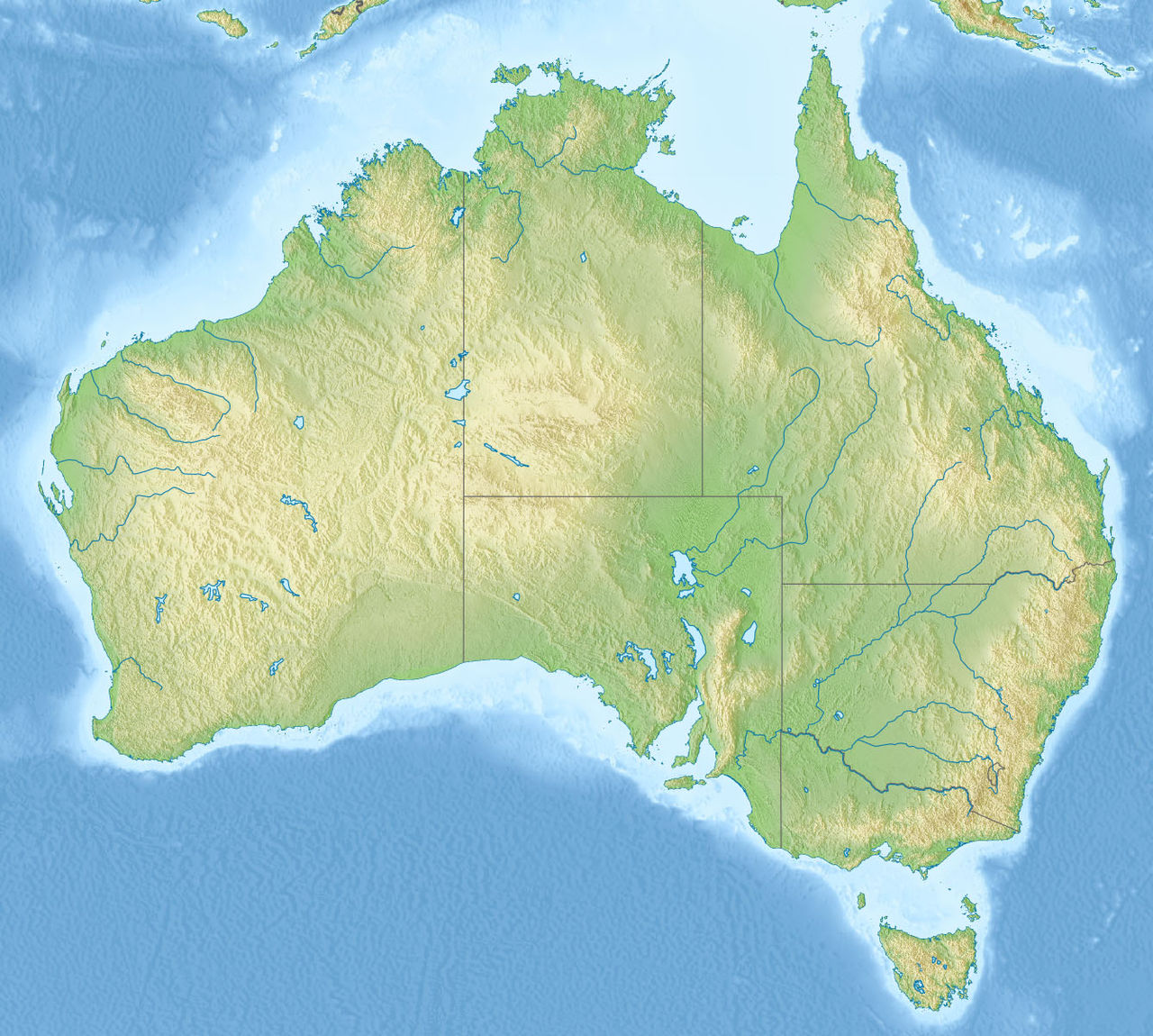
Ningaloo Reef is a major fringing reef system that runs along the western coast of Australia’s North West Cape. Stretching roughly 260 km (about 162 miles), it is one of the longest near-shore coral formations in the world and lies immediately adjacent to land rather than offshore. The reef supports extensive coral gardens and a wide range of marine habitats and is a defining natural feature of Western Australia.
Image gallery
10 Images




Characteristics and biodiversity
The reef complex contains hundreds of coral species, including many hard corals and soft corals, plus algal beds, seagrass meadows and mangrove-lined inlets. Its shallow, clear waters and proximity to the shore make coral communities especially accessible. More than 500 species of fish and countless invertebrates inhabit the reef.
Iconic wildlife
Ningaloo is particularly famous for encounters with large marine animals that pass through seasonally or live year-round. Notable species include the filter-feeding whale sharks, graceful manta rays, migrating humpback whales, and resident dugongs. The area is also important for turtles: six of the world’s seven marine turtle species, collectively referred to as sea turtles, are recorded in the region.
Human use, tourism and significance
The reef’s easy access from shore makes it a popular destination for snorkelling, diving, small-boat tours and wildlife viewing, especially during whale shark season. Local communities and tourism operators provide guided trips and educational programs. The reef’s combination of coral close to beaches and large megafauna has made it a focus for sustainable tourism development and marine research.
History, protection and challenges
Ningaloo Coast was recognized for its natural values with formal conservation designations and is subject to marine park zoning and management plans. Protection aims to balance tourism, traditional uses and biodiversity conservation. Like other coral systems, the reef faces threats from climate change (warming and bleaching), coastal development, pollution and inappropriate fishing. Ongoing monitoring, zoning, visitor limits and research are used to reduce impacts and support reef resilience.
Distinctive facts and management
- Fringing reef: its close proximity to the shoreline distinguishes it from many barrier and atoll reefs.
- Seasonal migrations: large animals such as whale sharks and humpback whales make predictable appearances that draw scientists and tourists.
- Conservation focus: active management measures aim to protect corals, hard corals communities, fish stocks and turtle nesting sites.
The combination of rich biodiversity, easy public access and striking megafauna makes Ningaloo Reef an internationally recognized marine area. Its conservation and sustainable use remain priorities for scientists, managers and local communities who rely on the reef for ecological, cultural and economic values.
Reef information | North West Cape context | further resources: coral ecology, regional governance.
Related articles
Author
AlegsaOnline.com Ningaloo Reef: A large fringing coral reef of Western Australia Leandro Alegsa
URL: https://en.alegsaonline.com/art/70269
Sources
- westernaustralia.com : "Ningaloo WA"
- ningalooreef.net : "Ningaloo Reef"
- wwf.org.au : "Ningaloo Reef"