
North West Cape (Western Australia)
A peninsula on Western Australia’s northwest coast, noted for the Cape Range, Ningaloo Reef, the town of Exmouth, marine life, and a history of early European contact and pearling.
Overview
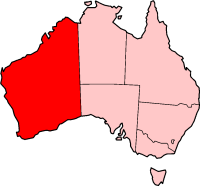
North West Cape is a prominent peninsula on the northwest coast of Western Australia. Projecting into the Indian Ocean, it forms one side of Exmouth Gulf and supports a mix of arid ranges, coastal plains and coral reef environments. The area is best known for the Cape Range mountains that run along the spine of the peninsula and for the world-class Ningaloo Reef fringing its western shore.
Image gallery
2 Images
Geography and natural features
The peninsula is characterised by steep, rugged ranges of ancient limestone interrupted by deep valleys and narrow coastal plains. These ranges create a dramatic contrast between inland arid country and the shallow, biologically rich waters of the continental shelf. The reef is a nearshore fringing coral system that supports a wide diversity of fish, corals and megafauna, including seasonal visitors such as whale sharks and manta rays.
History and naming
European contact with the North West Cape area dates back to at least the early 17th century. In 1618 a Dutch East India Company vessel made landfall in the region; historical accounts link this visit to sailors such as Willem Janszoon and to the activities of the Dutch East India Company in the region (1618). Later exploration by British hydrographers in the 19th century included visits by Phillip Parker King, who in 1818 applied the name North West Cape. He also named Exmouth Gulf in honour of Edward Pellew, First Viscount Exmouth, a senior officer of the Royal Navy.
Human presence and economic uses
The township of Exmouth sits on the peninsula and functions as the main service centre and gateway for visitors. Historically, pearling vessels visited these waters, with boats operating from Broome and other pearling centres to harvest mother-of-pearl and other resources (pearling). Today the local economy combines small-scale industry, tourism, and conservation management focused on the reef and the national park areas within the peninsula.
Recreation, conservation and significance
North West Cape is a popular destination for wildlife watching, snorkelling, diving and fishing. The close proximity of a major coral reef to sheltered coastal waters makes it particularly accessible for visitors, and seasonal migrations of large marine species draw international attention. Parts of the peninsula are protected as national park and marine park zones to conserve the unique landscapes and biodiversity.
Notable facts and distinctions
- The term "cape" here refers to the promontory-like peninsula that influences local coastal circulation and ecology.
- Its combination of karstic ranges and reef-backed shorelines creates rare ecological transitions from arid land systems directly to rich marine habitats.
- European place names along the peninsula reflect both early Dutch contact and later British hydrographic exploration.
For those seeking more detailed maps, visitor information or scientific reports, regional resources and park authorities provide current guidance on access, permitted activities and conservation measures. Academic and government sites hold further historical records relating to early Dutch and British visits to the coast.
References and links: historical and geographic summaries can be found through regional pages and archival material listed by local authorities and research institutions (see links above for entry points).
coast overview | Cape Range | Ningaloo Reef | 1618 landing | Dutch East India Company | Willem Janszoon | Phillip Parker King | Royal Navy | pearling
Related articles
Author
AlegsaOnline.com North West Cape (Western Australia) Leandro Alegsa
URL: https://en.alegsaonline.com/art/70965