
Nimrod (biblical figure)
Nimrod is a figure from the Hebrew Bible described as a mighty hunter and city-builder. Later Jewish, Christian and Islamic traditions expanded his story into themes of kingship, rebellion and cultural memory.
Overview
Nimrod appears in the Hebrew Bible as a grandson of Ham and son of Kush and is called a "mighty hunter before the Lord." The short biblical notice names him as an influential early ruler and associates him with several Mesopotamian cities. For the Hebrew and Arabic forms of his name see Hebrew and Arabic, and consult the primary biblical references via biblical texts.
Image gallery
5 Images


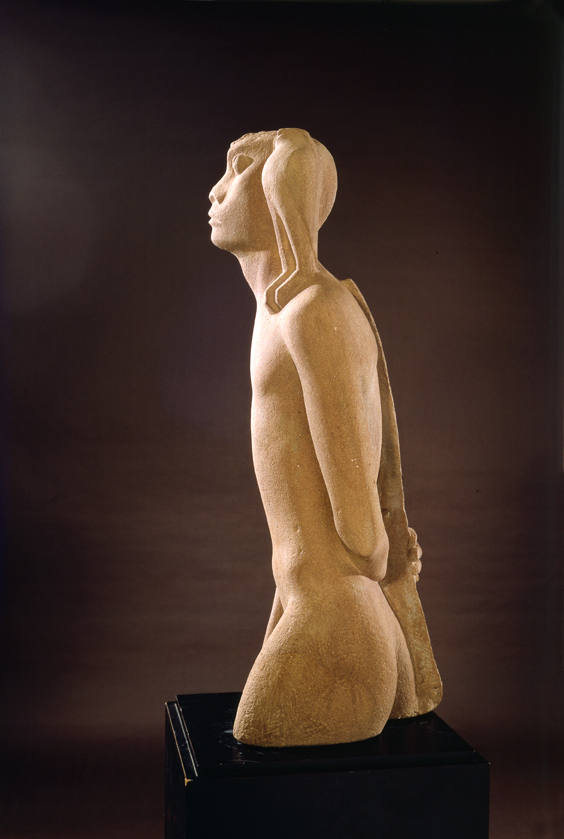
Biblical account and geography
The Bible gives only brief details: Nimrod is listed in genealogies and connected with urban centers. Traditional attributions include founding or ruling at Akkad, Erech (often identified with Uruk) and Babel. Modern summaries note these associations while recognizing the terse scriptural record; the ancient names are discussed in sources on Mesopotamian topography such as Akkad and Uruk. The genealogical line points to Kush and Ham: see Kush and Ham.
Later traditions and interpretations
After the biblical period, Nimrod's profile was enlarged by interpreters. The Jewish historian Flavius Josephus and later medieval writers portray him as a powerful, sometimes tyrannical king. Josephus' account and subsequent narratives contributed to the idea that he became an oppressor who compelled labor on major building projects; Josephus and Jewish commentaries are surveyed in works linked at Josephus.
Tower of Babel and cultural memory
Many traditions connect Nimrod to the Tower of Babel episode and attribute to him a leadership role in its construction. In some retellings he is said to have ordered workers to make bricks for the tower; these motifs appear in medieval and popular retellings and are reflected in references to him as a builder or a tyrant (tyrant, bricks, Tower of Babel).
Legacy and notable facts
Scholars debate whether Nimrod represents a memory of an historical ruler, a composite legendary figure, or a literary device symbolizing early monarchy and defiance of divine authority. The name has also entered modern culture in unexpected ways: it appears in literature, art and even in English slang where a shift in meaning produced a pejorative use. For summaries of differing readings and cultural echoes see the entries linked above and related studies at Hebrew name.
Quick facts
- Described in the Bible as a "mighty hunter before the Lord."
- Associated with early Mesopotamian cities such as Akkad, Uruk and Babel.
- Expanded into a larger legendary figure by Josephus and later traditions (Josephus).
- Linked in folklore to the Tower of Babel and to motifs of kingship and rebellion.
Related articles
Author
AlegsaOnline.com Nimrod (biblical figure) Leandro Alegsa
URL: https://en.alegsaonline.com/art/70242
Sources
- lds.org : "Book of Mormon Pronunciation Guide"