
Njáls saga — The Story of Burnt Njáll
A detailed overview of Njáls saga, a thirteenth‑century Icelandic saga that examines honor, law, Christianity, and blood feud through the lives of Njáll, Gunnar and their community.
Overview
Njáls saga, often called The Story of Burnt Njáll, is a major thirteenth‑century work of medieval Icelandic narrative that recounts events roughly between the late tenth and early eleventh centuries. The saga combines family history, legal argument, and dramatic episode to explore how questions of honor, revenge, and law shape social life. It is widely regarded as one of the most mature and artful of the Icelandic sagas and a central text in the corpus of saga literature.
Image gallery
6 Images


Principal characters and plot
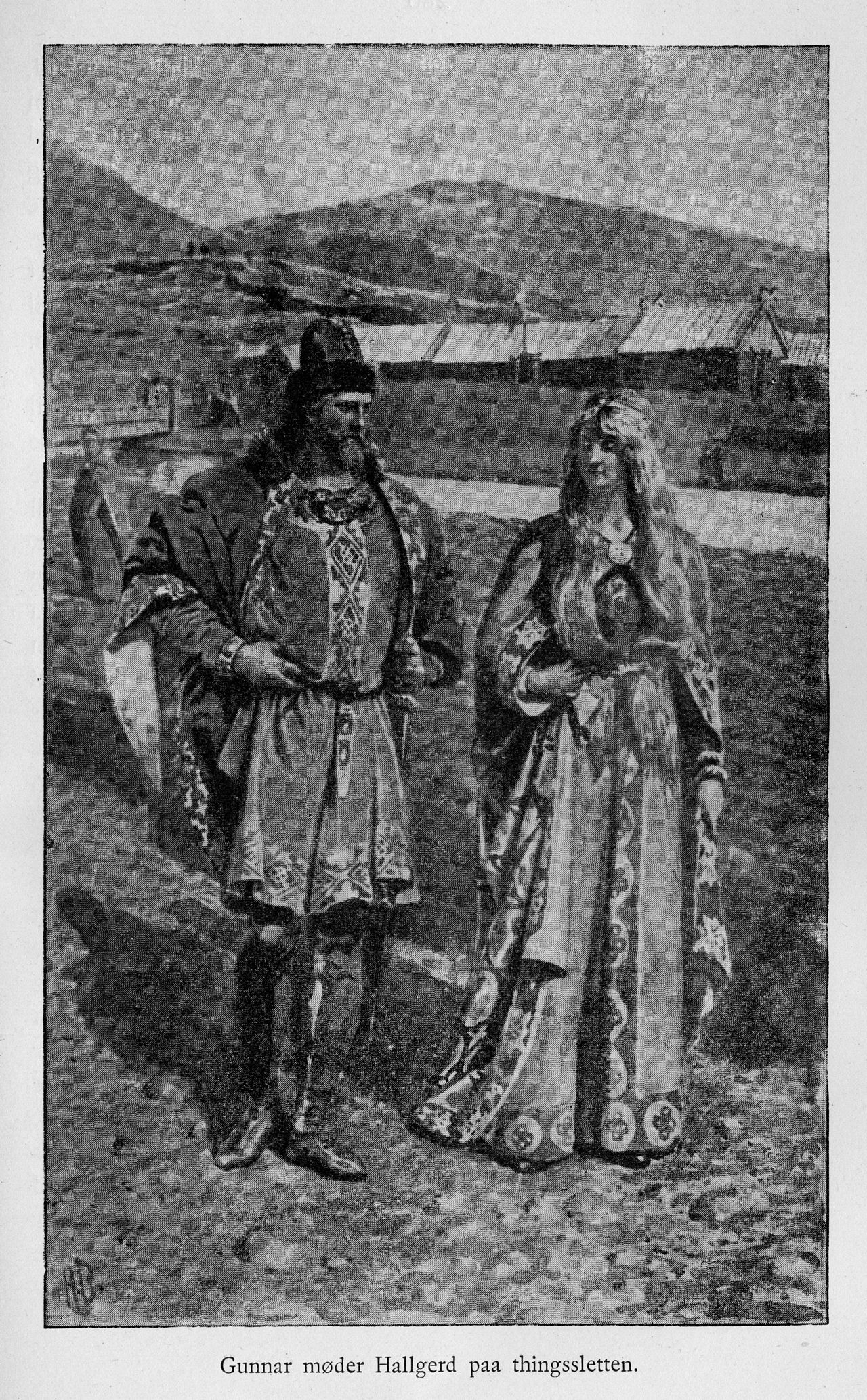
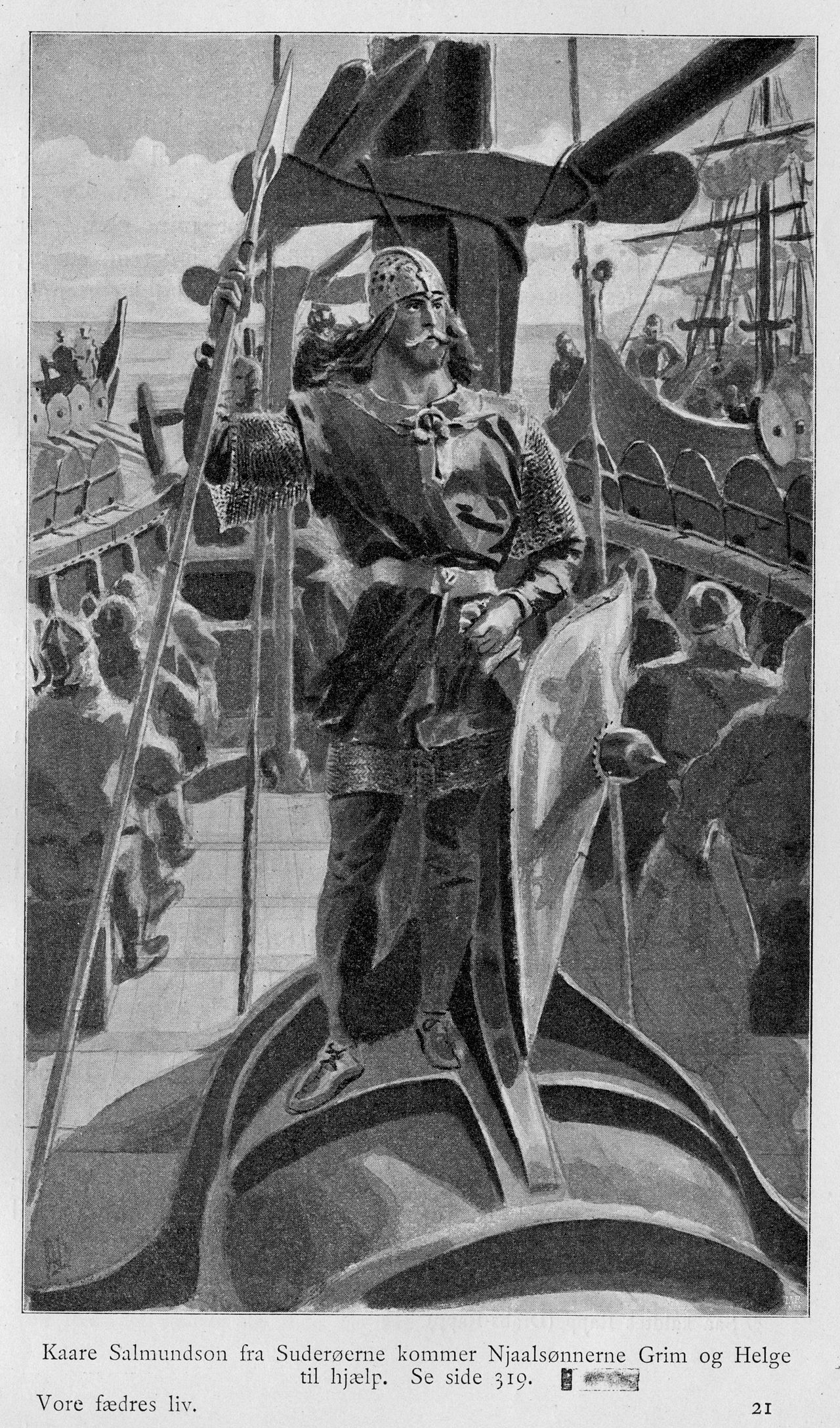
The story centers on two friends: Njáll Þorgeirsson, a wise lawyer and counsellor noted for patience and prophetic dreams, and Gunnar Hámundarson, a famed warrior and charismatic chieftain. A chain of insults, legal disputes and escalating retaliation—frequently instigated or complicated by marriages and slights—unfolds across several generations. The saga’s pivotal and best‑known incident is the deliberate killing of Njáll and his family by burning, an act that gives the work its common name and crystallizes its moral and legal dilemmas.
Themes and features
Njáls saga treats several overlapping themes: the workings of the law‑assembly, the role of Christian conversion in an Old Norse setting, and the logic of honor culture that often transforms small disputes into prolonged blood‑feuds. The narrative repeatedly emphasizes omens, omens and prophetic dreams as motifs, and it includes formalized farewell speeches or valedictories given by characters at death. The saga also illuminates the interaction between private vengeance and public legal institutions, including episodes tied to the national assembly or Althing, where collective decisions about faith and law were discussed.
Composition, sources and historicity
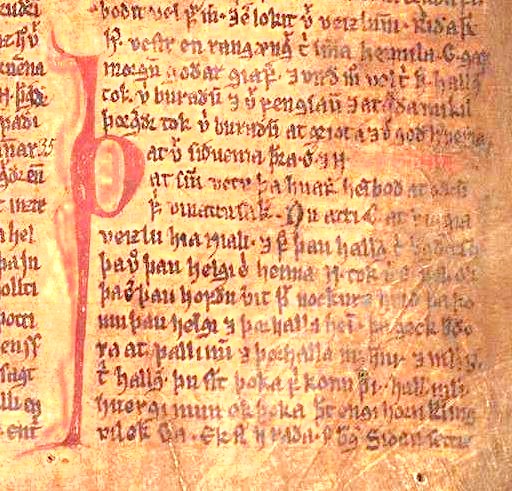
The work is anonymous and was composed in the thirteenth century, drawing on older oral narratives, family histories and legal memories. Scholars note that while many episodes reflect plausible events or social practices, the author shaped those materials for literary effect. Debate over authorship and redaction has long existed—some writers and commentators have advanced theories about who composed or compiled the tale—yet the saga survives primarily as a crafted literary whole rather than a simple chronicle. The text is preserved in medieval manuscripts and later copies, and its transmission reflects both oral roots and literary refinement; researchers often point to links between its content and the broader tradition of oral transmission.
Style, significance and legacy
Stylistically, Njáls saga mixes terse, objective narration with moments of rhetorical speech and legal argument. It offers vivid character portraits, ritualized legal scenes and scenes of violence described with measured restraint. The saga has exercised a strong influence on modern readings of medieval Iceland, informing historical, literary and legal studies. It is frequently studied for insights into medieval law, the social impact of Christianization, and narrative techniques used by saga authors. For further context on feuding and social conflict see feud studies, on authorship debates see scholarship, and for manuscript and editorial matters consult resources on anonymous medieval works and on textual transmission in the sagas.
Key understandings
- Njáls saga centers on the tension between law and honor and how personal grievances can overwhelm collective institutions.
- The narrative combines realistic social detail with literary devices such as omens and valedictory speeches.
- While rooted in memory of past events, the saga is a crafted literary product shaped by an author or compiler using oral and written sources.
- Its themes—Christianization, legal practice, and the ethics of feud—make it a lasting resource for both historians and literary readers.
For more introductory materials and modern editions consult general overviews and annotated translations that situate the saga in its historical and cultural milieu: see also interpretive studies and comparative work on religious change.
Questions and answers
Q: What is Njáls saga?
A: Njáls saga is a thirteenth-century Icelandic saga that describes events between 960 and 1020.
Q: What is the theme of Njáls saga?
A: The theme of Njáls saga is Christianity, with the Althing making a decision for Iceland's Constitutional Conversion to the New Christian Creed in 1000 AD.
Q: Who are the principal characters in Njáls saga?
A: The principal characters are Njáll Þorgeirsson, a lawyer and a sage, and Gunnar Hámundarson, a formidable warrior.
Q: What is the central event in Njáls saga?
A: The central event in Njáls saga is the killing of Njál by fire.
Q: What does Njáls saga deal with?
A: Njáls saga deals with blood feuds in the Icelandic peoples, showing how minor events can spiral into destructive and prolonged bloodshed.
Q: What are some characteristics of the narrative in Njáls saga?
A: Some characteristics of the narrative in Njáls saga include insults where a character's manhood is called into question, the presence of omens and prophetic dreams, and a fatalistic outlook on the part of the author.
Q: What is a key feature of the writing in Njáls saga?
A: A key feature of the writing in Njáls saga is the valedictory, which is a farewell statement made by a character just before their death.
Related articles
Author
AlegsaOnline.com Njáls saga — The Story of Burnt Njáll Leandro Alegsa
URL: https://en.alegsaonline.com/art/70405