
Akkad and the Akkadian Empire
Akkad (Agade) was the central city and namesake of the Akkadian Empire, an early Mesopotamian polity that shaped language, administration, and imperial precedent in the 3rd millennium BCE.
Overview
Akkad (also written Agade in early sources) was both a city and the core of the Akkadian Empire, one of the first large territorial states in ancient Near Eastern history. Emerging in central Mesopotamia, the polity is best known for unifying Sumerian city-states and expanding the reach of Akkadian-speaking rulers. Our understanding of Akkad rests on a mixture of ancient king lists, royal inscriptions, literary texts and later traditions recorded in sources such as the Sumerian chronicles and references in the Hebrew Bible. The broader region is commonly referred to as Mesopotamia.
Image gallery
5 Images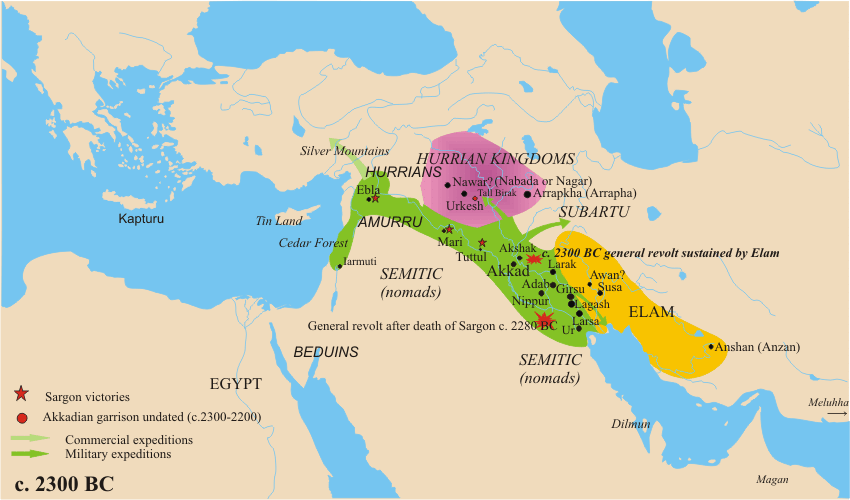

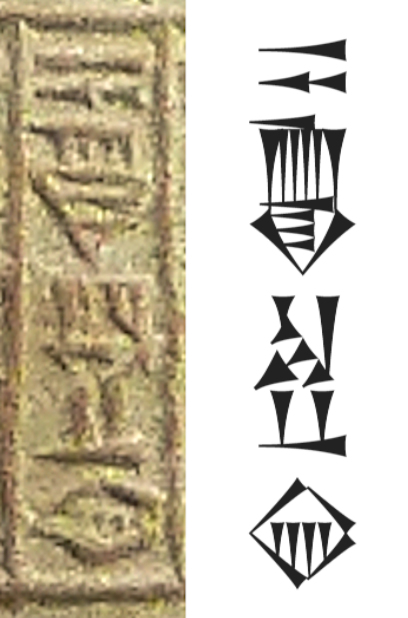


City, capital and location
The city of Akkad was traditionally identified as the imperial capital founded or promoted by Sargon of Akkad. While the precise archaeological site of the city has not been conclusively located and the ruins remain uncertain, textual evidence places it in the alluvial plain near major rivers, likely close to the course of the Euphrates. Ancient lists and later histories describe Akkad as the seat of kings who styled themselves rulers of the four quarters of the world.
History and chronology
The Akkadian state rose to prominence in the late 3rd millennium BCE under a series of powerful rulers. Sargon of Akkad, often treated as the dynasty's founder in later traditions, led campaigns that brought Sumerian city-states under central control and extended influence into neighboring regions. Subsequent rulers consolidated administrative practices and maintained a standing military and diplomatic relations with nearby polities such as Elam. The empire later fragmented and faced invasions from highland groups often called Gutians; after a period of decline the region eventually saw the emergence of new Akkadian-language powers in Babylonia and Assyria.
Government, society and culture
The Akkadian administration built on earlier Sumerian institutions but increasingly used Akkadian-language administration and royal titulary. Royal inscriptions in cuneiform document military campaigns, building projects and religious dedications. Society combined urban centers, temple economies and long-distance trade; officials, scribes and craftsmen worked in a bureaucracy that managed resources and tribute across the imperial territory.
Language, literature and legacy
Akkadian, a Semitic language, became the lingua franca of diplomacy and scholarship in the region for many centuries. Literary genres, hymns and royal inscriptions preserved by scribes provide insight into ideology, religion and the king's role. Later Mesopotamian states and traditions remembered Akkad and its rulers: the city appears in lists alongside older urban centers such as Uruk and features in ethnographic and legendary accounts—some later associating its foundation with figures like Nimrod in biblical traditions.
Archaeology and notable facts
Archaeological identification of Akkad remains a subject of debate. Excavations in Mesopotamia have revealed administrative centers and inscriptions linked to Akkadian rulers, yet the exact location of the capital city is not confirmed. Important points to note:
- The empire established a model of centralized rule and imperial ideology that influenced successor states.
- Military mobility, standardized record-keeping and the spread of the Akkadian language were lasting contributions.
- Historical memory of Akkad persisted long after political collapse, cited by neighboring cultures and in later Mesopotamian king lists.
For more specialized treatments consult archaeological reports and translations of primary inscriptions (see also Sargon, the traditional founder) and surveys of Mesopotamian political history. Additional resources and summaries appear in several academic and public references that discuss the empire's institutions and its interactions with regions to the east and west of central Mesopotamia (capital city studies).
Relevant modern discussions also cross-reference sources on early urbanism and imperial formation in Mesopotamia, touching on topics such as trade networks, the role of temples, and the cultural interchange with neighboring areas such as Elam and the western lands listed by ancient rulers, sometimes called the Martu or the lands of the west. For background and extended reading see archaeological syntheses and primary-text collections available through academic outlets and public summaries (Sumerian sources, biblical references, and modern historiography).
Note: the study of Akkad draws on linguistic, textual and archaeological disciplines; where evidence is fragmentary, scholars qualify reconstructions and emphasize the provisional nature of some claims.
Questions and answers
Q: Where was Akkad located?
A: Akkad was located in Mesopotamia.
Q: Who ruled during the peak of the Akkadian empire?
A: Sargon of Akkad ruled during the peak of the Akkadian empire in the 24th and 22nd centuries BCE.
Q: When did the Akkadian empire collapse?
A: The Akkadian empire collapsed in 2154 BCE.
Q: Has the location of the Akkadian empire been found?
A: No, the ruins of the Akkadian empire have not been found yet, but it is believed to be on the River Euphrates.
Q: Was Akkad the first empire in history?
A: Akkad is often referred to as the first empire in history, according to the Sumerian king list.
Q: Was the city of Akkad already there before Sargon?
A: Yes, the city of Akkad was already there before Sargon, in the time of the kings of Uruk.
Q: Who destroyed the city of Akkad?
A: The city of Akkad was destroyed by the Gutians, who invaded from the mountains in 2215 BC.
Related articles
Author
AlegsaOnline.com Akkad and the Akkadian Empire Leandro Alegsa
URL: https://en.alegsaonline.com/art/1823
Sources
- books.google.com : Syntactic Change in Akkadian: the evolution of sentential complementation
- oi.uchicago.edu : (pdf file)
- doi.org : 10.1126/science.279.5349.325