
Mackerel: overview, biology, culinary uses, and safety
Mackerel are fast-swimming, oily marine fishes in the family Scombridae and related groups. This article covers their appearance, habitat, common species, culinary uses, and safety and sustainability issues.
Mackerel is a common name applied to several species of pelagic fishes that share a similar body plan and ecological role. Most of the fishes commonly called mackerel belong to the family Scombridae, although other related groups are sometimes called mackerel as well. The term common name can therefore include distinct species that are not necessarily closely related within a single genus. In general, the word refers to streamlined, schooling marine fish that are adapted for speed and open-water life.
Image gallery
10 Images




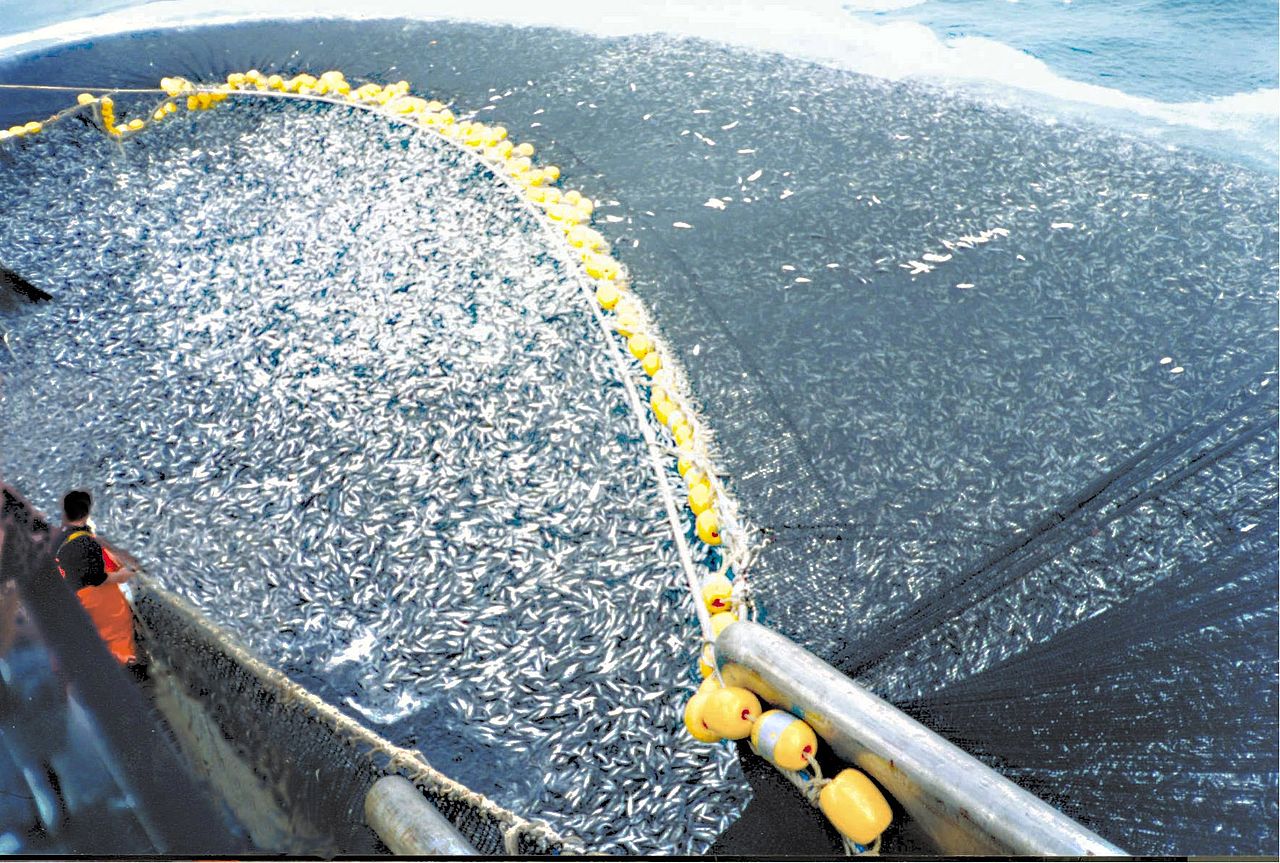

Description and biology
Mackerel typically show a torpedo-shaped body, narrow caudal peduncle and a deeply forked tail that enable rapid, sustained swimming. Many species have striking patterns—often longitudinal or vertical bands—on the dorsal surface. They are predatory, feeding on small fishes, crustaceans and plankton depending on size and species. Their physiology reflects a high-lipid diet and life history: many are oily and rich in polyunsaturated fatty acids, traits valued by people for nutrition. The family includes several widely known types such as Atlantic mackerel, Pacific mackerel and Spanish mackerel, and other fishes called king mackerel or chub mackerel are common regional names.
Habitat and distribution
Mackerel are pelagic and occur in both temperate and tropical seas. Some species prefer coastal waters and continental shelves while others form large schools offshore in the oceanic environment. Juveniles often inhabit shallower coastal zones, and many populations undertake seasonal migrations tied to water temperature and food availability. Because they are schooling fish, mackerel are an important part of marine food webs and are preyed upon by larger predators such as cod, sharks and marine mammals.
Human uses and culinary aspects
Mackerel has long been harvested for food worldwide. It is classed as an oily fish and is appreciated for its flavor and omega-3 content. Common culinary treatments include grilling, smoking, pickling, curing and canning. Preservation methods such as salting or smoking were historically important where refrigeration was unavailable. In modern kitchens, mackerel is often pan-seared, baked or used in smoked fillets and salads.
- Typical preparation: grilling, broiling, or smoking.
- Traditional preservation: salting, pickling (pickled) and drying.
- Modern handling: immediate refrigeration or icing after capture is important to maintain quality and safety.
Food safety, health benefits and sustainability
The flesh of mackerel spoils relatively quickly in warm conditions and, if not properly chilled, can lead to histamine-related food poisoning (scombroid poisoning). For this reason, freshly caught fish are best consumed promptly or preserved by refrigeration, freezing or curing; in hot climates spoilage is a particular concern (tropics). On the positive side, mackerel provides beneficial fatty acids and protein and is an economical seafood choice in many regions.
From an environmental perspective, fishing pressure and management vary by species and region. Some mackerel stocks are well-managed and abundant, while others have experienced declines due to overfishing or habitat change. Consumers and fisheries managers often distinguish among species—Atlantic, Pacific, Spanish and king mackerel, for example—when assessing sustainability and setting catch limits. For readers seeking further technical or species-specific information, authoritative resources and conservation pages provide regionally tailored guidance (coast, local fishery agencies and educational sites).
For general reading on classification and specific species, consult taxonomic references and fish guides that cover the various mackerel types and their life histories. Additional background on handling and preservation methods can be found in food safety resources, and culinary guides describe traditional recipes and preparation techniques suited to oily marine fish.
Keywords and related topics: common name, species, fish, coast, oceanic, cod, oily, tropics, food poisoning, pickled.
Related articles
Author
AlegsaOnline.com Mackerel: overview, biology, culinary uses, and safety Leandro Alegsa
URL: https://en.alegsaonline.com/art/60359