
Newfoundland (dog): large working breed known for swimming and rescue
Newfoundland is a large, heavy-coated working dog from the island of Newfoundland, prized for swimming ability, water rescue, a gentle temperament, and specific health and grooming needs.
The Newfoundland is a large, heavy-coated dog breed originally developed on the Canadian island of Newfoundland. Bred for work along rocky coasts and cold waters, the type combines size, strength and a calm disposition. Its history as a water dog and shipboard helper gave the breed distinctive physical features — a dense, water-resistant coat, webbed feet and a powerful build — and an enduring reputation as a reliable rescue companion.
Image gallery
10 Images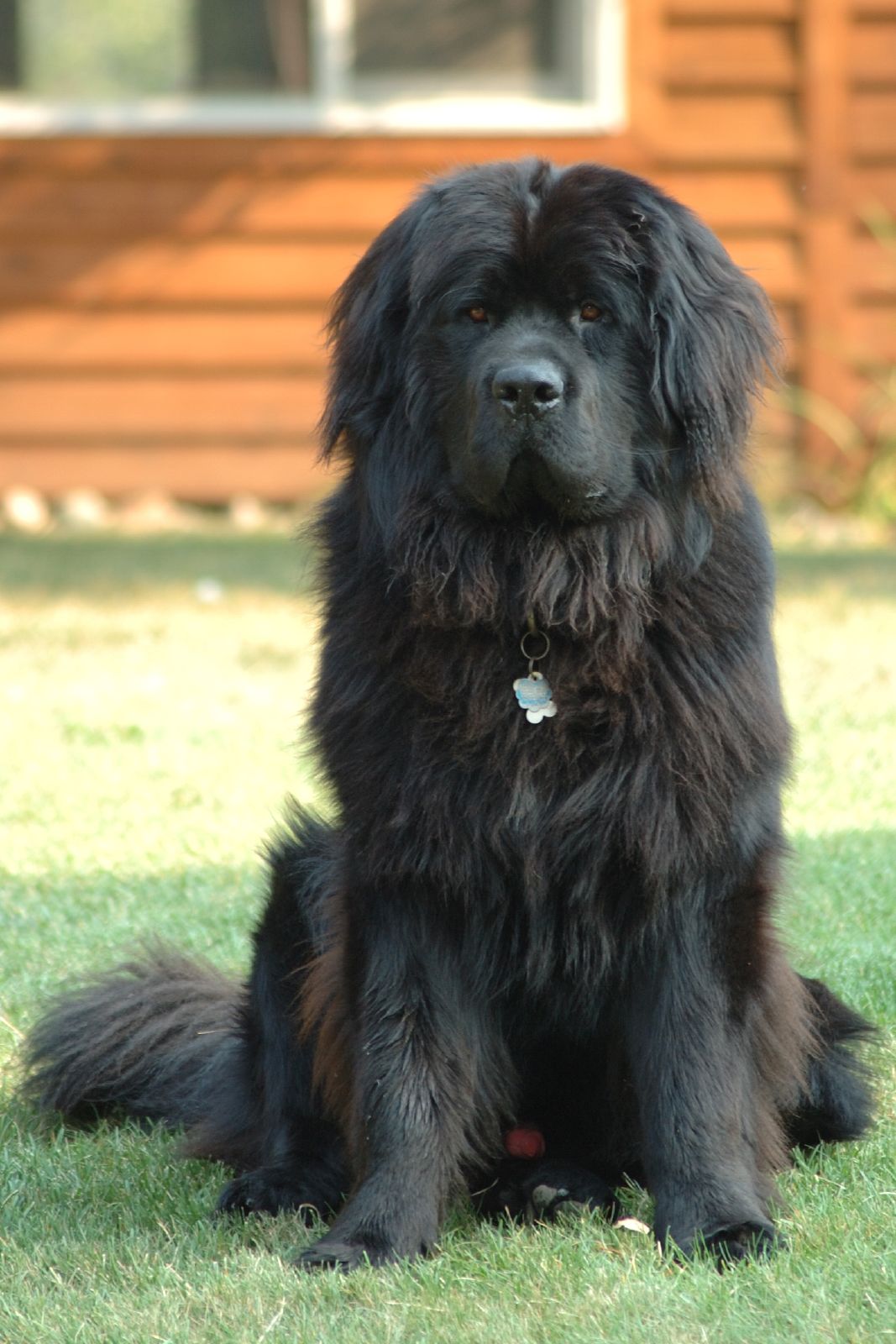




Appearance and physical traits
Newfoundlands are a very large dog with a broad head, deep chest and strong limbs. Adult height commonly measures in the high 20-inch range for mature dogs, and typical adult weight often falls into the upper ranges for large breeds. They carry a long, double coat that sheds seasonally and helps repel water; coat colors most often include solid black, brown, gray (often called "landseer" when combined with white), and occasionally white-and-black in specific lines. Key aquatic adaptations are a wide, flat tail used like a rudder, webbed toes for propulsion, and substantial muscling in the shoulders and hindquarters that powers sustained swimming.
Origins and historical role
The breed developed in the communities of Newfoundland and Labrador, where working fishermen and coastal settlers selected dogs that could haul nets and lines, pull carts and assist at sea. Historical accounts attribute much of the breed's early work to sailors and fishermen who valued dogs able to move heavy loads and enter cold water to retrieve cargo or help swimmers. Over time that practical role produced animals with both the temperament and the physical traits needed for lifesaving tasks.
Temperament and typical uses
Newfoundlands are widely recognized for a patient, gentle nature and a strong instinct to protect and care for people, especially children. Their calm disposition and willingness to work have made them popular as family companions, therapy animals and in organized water-rescue operations. Training should emphasize gentle, consistent leadership and early socialization so their size and strength are well managed. Historically their habit of jumping from boats to assist swimmers or carry lines ashore is part of the breed lore and explains why many Newfoundlands remain associated with lifesaving.
Health, lifespan and care
Like many very large breeds, Newfoundlands are predisposed to a number of structural and metabolic issues. Hip dysplasia and elbow dysplasia occur with some frequency; certain lines also carry inherited cardiac conditions such as subvalvular aortic stenosis and have been identified with metabolic concerns including cystinuria. Larger dogs are at risk for gastric dilatation-volvulus (bloat), and routine veterinary screening for joint and heart health is recommended. Grooming needs include weekly brushing to manage the thick coat, more frequent attention during heavy-shedding periods, and regular ear and nail care to reduce infection and injury risks.
Practical considerations and distinctions
- Working ability: Excellent swimmers used historically for water rescue and hauling on ships.
- Exercise: Moderate daily activity with opportunities for safe water work benefits both body and mind.
- Living environment: Best with space and access to water or long walks; not ideally suited to very small apartments without substantial daily exercise.
- Training: Responsive to positive reinforcement; early socialization helps manage strength and size around small children.
For readers seeking more information about the breed standard, care guides, or health screening recommendations, consult breed clubs and veterinary resources that provide detailed guidance on testing and breeding practices. The following placeholder links can direct to authoritative pages and resources: breed overview, canine care, Newfoundland origin, maritime history, water rescue accounts, coat and waterproofing, typical heights, typical weights, coat colors, physiology and lung capacity, health screening, and inherited heart conditions.
Overall, the Newfoundland remains valued for its combination of size, heart, and aptitude for water-related tasks. Prospective owners should be prepared for the responsibilities of caring for a very large, active dog and should establish a relationship with a veterinarian and experienced breeders or rescue organizations to ensure responsible placement and long-term welfare.
Questions and answers
Q: Where did the Newfoundland breed originate?
A: The Newfoundland breed originated in Newfoundland.
Q: What were Newfoundlands originally used for?
A: Newfoundlands were originally used by fishermen and sailors to carry goods and would jump overboard to save people from drowning.
Q: How big are Newfoundlands?
A: Newfoundlands are a very large dog breed, standing 26–28 inches (66–71 cm) and weighing 100–150 pounds (45–68 kg). The largest Newfoundland found was 72 inches (180 cm) long and weighed 160 pounds (73 kg).
Q: What color is the coat of fur of a Newfoundland?
A: The coat of fur on a Newfoundland is usually long and black, brown or gray in color. Their facial hair is very short.
Q: What kind of temperament do Newfoundlands have?
A: Newfoundlands are known to be very gentle and loyal dogs. Because of their protective nature for children, they have been used as watchdogs.
Q: Do owners need to groom their Newfoundlands often?
A: Yes, owners need to brush their Newfoundland's thick fur once a week.
Q: Are there any health problems that can affect this breed?
A: Yes, Newfoundlands can suffer from a lot of health problems such as hip dysplasia, cystinuria which is similar to humans, and subvalvular aortic stenosis which hurts the heart.
Related articles
Author
AlegsaOnline.com Newfoundland (dog): large working breed known for swimming and rescue Leandro Alegsa
URL: https://en.alegsaonline.com/art/69744
Sources
- britannica.com : "Newfoundland"
- kids.britannica.com : "Newfoundland"
- youtube.com : "Dogs 101: Newfoundland"
- ckc.ca : "Newfoundland"
- worldcat.org : 0002-8703
- pubmed.ncbi.nlm.nih.gov : 986114
- commons.wikimedia.org : Newfoundland